
The Story
Why it exists.
The beginning
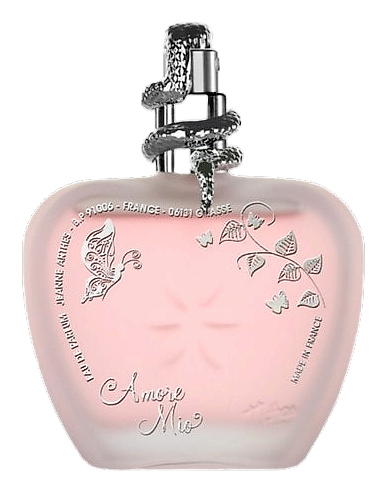
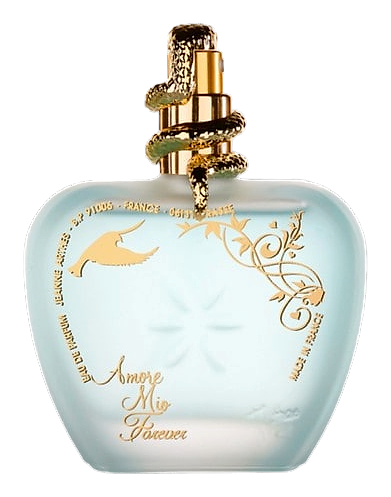
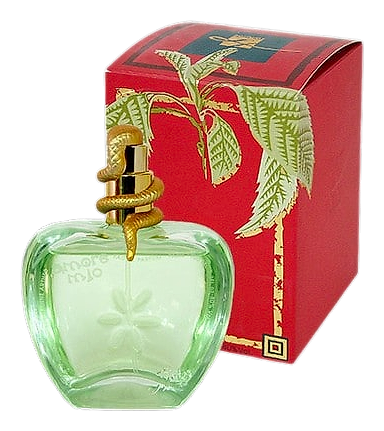
In 2010, Jean-Pierre Béthouart reached for something direct. Amore Mio, Italian for 'my love', was never meant to be subtle. The brief was simple: translate the feeling of saying it first, before you overthink it, before the moment passes. Béthouart built from the top down, starting with lychee and Italian lemon because they're the most honest opening notes in perfumery, immediate, a little insistent, impossible to mistake for anything else. Blackcurrant added depth without darkening the mood. Then the turn: cherry blossom and white blossoms, the kind of floral that doesn't perform. Just exists.
The heart of Amore Mio is where most fruity-florals either overshoot or underdeliver. Béthouart chose restraint. Pear keeps the sweetness grounded in something almost mineral, almost crisp. Almond adds a quiet warmth that stops the florals from floating away entirely. It's the combination that makes the fragrance readable, you can smell exactly what's in it, and it never hides the fact that it likes you. The white cedar in the base is a deliberate French touch, a nod to Grasse craftsmanship in a fragrance that was built for everyday wear rather than special occasions.
The evolution
The opening hits immediately, Italian lemon and blackcurrant, sharp and tart, like biting into an underripe fruit. Within minutes the lychee swells, rounding the edges into something juicier. This first twenty minutes is the whole premise of the fragrance, stated plainly. Then the florals arrive. Cherry blossom leads, softer than rose, less literal than jasmine. The white blossoms follow without announcement, no sudden wall of perfume, just a gradual warming. The heart holds for two to three hours, shifting slowly from blossom-bright to something rounder, fruitier, closer to skin. The drydown is the quietest part. White cedar and white musk do the work of making the fragrance feel clean without being sterile. Frangipani and tonka bean appear here, adding cream and faint sweetness that stays close, not a room scent, a skin scent, and one that someone standing near you will notice before you do. On fabric, a faint trace survives the night.
Cultural impact
Amore Mio sits comfortably in the space between youthful and mature. It doesn't perform for anyone. The 2010 launch arrived at a moment when fruity florals were everywhere, but most chose intensity over intimacy, Amore Mio went the other direction. Moderate sillage, honest sweetness, a base that stays close. The people who own it tend to repurchase, which is the most reliable vote of confidence a fragrance can get. It's the kind of scent that fills a gap rather than a room, worn by someone who knows exactly what they want from a fragrance and isn't interested in explaining it.
The House
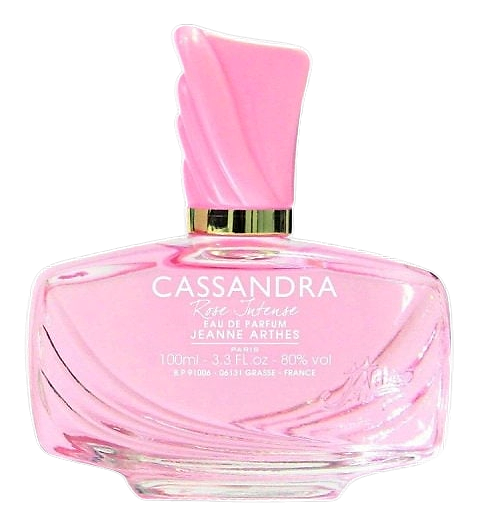
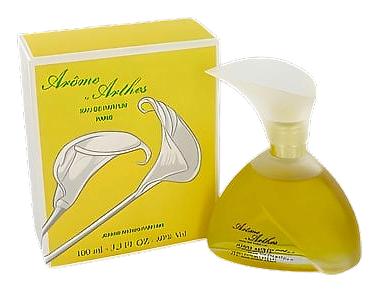
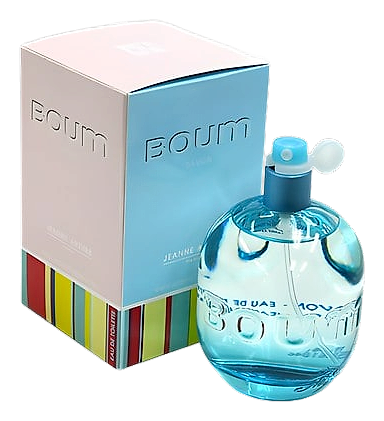
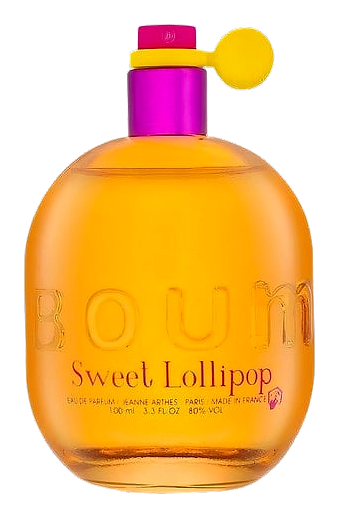
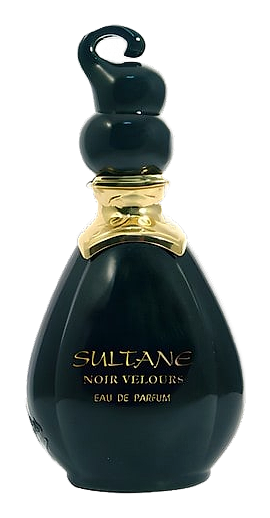
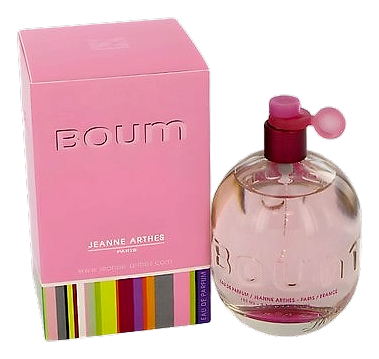
Jeanne ArthesJeanne Arthes is a French perfume house that operates out of Grasse, the historic heart of the fragrance industry. Since its launch in 1978 the brand has built a catalogue that mixes playful modern scents with classic French techniques. The line includes youthful releases such as Strawberry Fizz (2024) and Boum Pinkchella (2025) alongside more mature compositions like Cassandra Rose Vanille (2020). Jeanne Arthes positions itself as a bridge between the artisanal heritage of Grasse and the everyday consumer who wants a scent that feels both refined and approachable.
The Creator
Jean-Pierre BéthouartBéthouart's work tends toward warm, enveloping textures that linger close to the skin. He is particularly adept with contrasts between crisp top notes and creamy, almost powdery bases, a tension that gives his creations their characteristic push and pull.