The Story
Why it exists.
The beginning
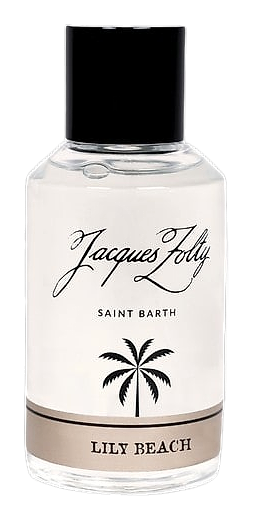
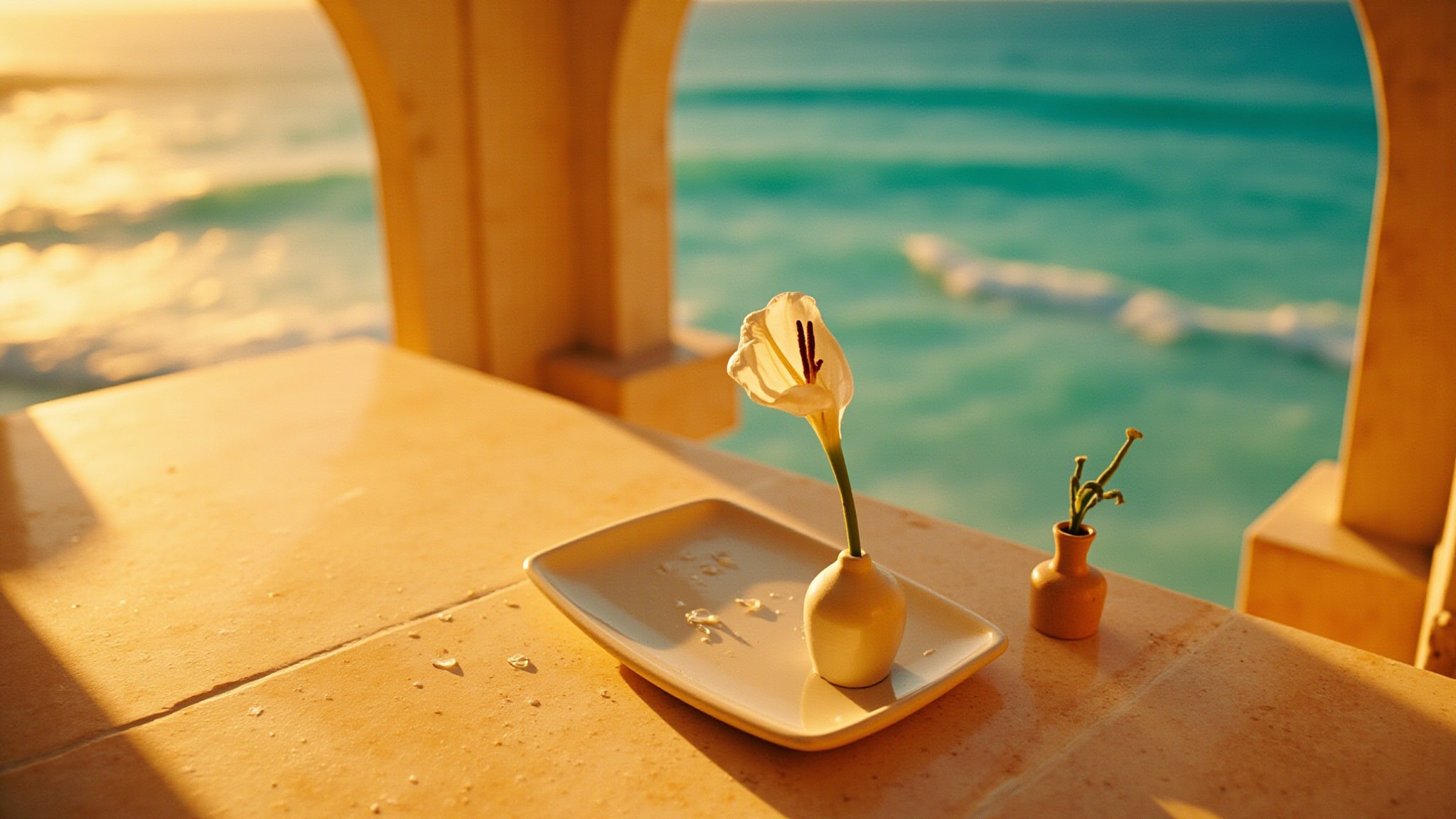
Jacques Zolty spent years behind a camera, capturing the light and colour of the Caribbean islands after his runway days. When he turned to fragrance in 2007, he brought that same eye to scent. Lily Beach, launched in 2009 as part of the L'Original collection, takes its name from the flower the women of Saint-Barths wear tucked into their hair. The idea was to bottle not just the bloom, but the confidence of someone who puts on a flower and calls it done.
What makes Lily Beach work is the gap between its parts. Ivy and ginger arrive crisp, almost sharp. Carnation adds a spice that borders on medicinal before the lily opens, full and creamy, taking up all the space in the composition. The structure isn't layered so much as it is a series of negotiations, green versus warm, sharp versus soft. The cedar and musk base keeps it from floating away entirely, anchoring the whole thing to something skin-like and intimate.
The evolution
The opening is immediate: ivy and ginger, cool and clean. Carnation arrives within minutes, adding that unexpected warmth that reads almost like clove. The handoff to lily happens around the 20-minute mark, not a slow fade but a decisive shift, the green notes pulling back to let the white floral take over. The cedar and musk in the base don't announce themselves loudly. They arrive quietly, around the two-hour mark, adding a skin-close warmth that extends the drydown by another two to four hours on most skin types. What lingers is the lily, softened by cedar, close to the skin rather than filling the room.
Cultural impact
Lily Beach sits comfortably in the niche-finds space: not a blockbuster, not obscure. The 2009 launch date places it early in the brand's catalogue, before the house's expansion under Roberto Drago's Laboratorio Olfattivo ownership in 2014. Wearers describe it as the scent of someone who walks into a room and doesn't need to announce themselves, quiet confidence, island ease, no agenda.