
The Story
Why it exists.
The beginning
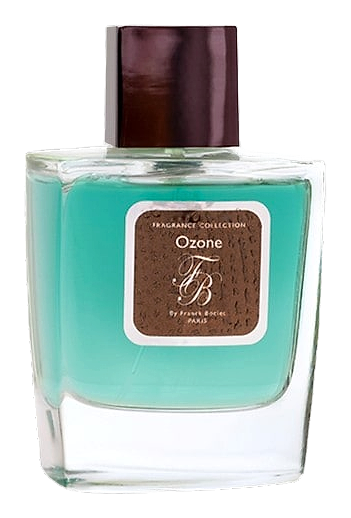
The name says everything. Ozone, that layer of atmosphere charged by lightning, by sunlight, by the violent chemistry happening miles above the ocean. Fabienne Bourcier built this fragrance around that specific sensation: the sharp, almost metallic tang in the air after a storm at sea. Not a beach fantasy. Not resort aquatic. Something rawer. The kind of scent that makes you stand up straighter. The opening arrives with a briny jolt, like standing at the water's edge as a squall rolls in, cold and electric. There's an immediate mineral edge that feels almost charged, the kind of ozone note that crackles rather than drifts. Salt and water blend into something atmospheric and alive, a reminder that the ocean is not always gentle.
What makes Ozone work is the way it refuses to be polite about aquatic. Here, the salt arrives with intention, mineral, almost gritty, like the residue left on skin after a swim in cold open water. The metallic heart doesn't apologize for being synthetic. It leans into it. A steel-and-salt combination emerges that feels sharp and deliberate, an interplay between industrial precision and the raw honesty of ocean air. Leather and cedar in the base don't soften it into submission. They ground it, give it weight, make it something you'd actually wear.
The evolution
The opening hits salt and water notes with real force. This is the smell of ocean spray in cold air, the mineral tang that hits your nostrils when you surface from deep water. Within minutes, the metallic note takes over, sharp, electric, almost galvanic. It reads like standing near a ship's hull in winter, or the air after lightning. That steel-and-salt tension is the fragrance's defining move. It doesn't play safe. In the heart, the metallic note deepens without softening. The aquatic origin becomes something more industrial, more complex. The journey shifts from open water to something more urban, more charged. By the drydown, leather arrives quietly. Cedar. A whisper of tobacco. The warmth settles close to skin, intimate rather than announced.
Cultural impact
Ozone arrived as part of a conversation about what aquatic could mean. The metallic heart became a point of reference for those exploring the genre, a reminder that salt and water don't have to stay comfortable. In the broader landscape of niche fragrance, it offered an alternative to the predictable, a scent that refused to smooth its edges.