The Story
Why it exists.
The beginning
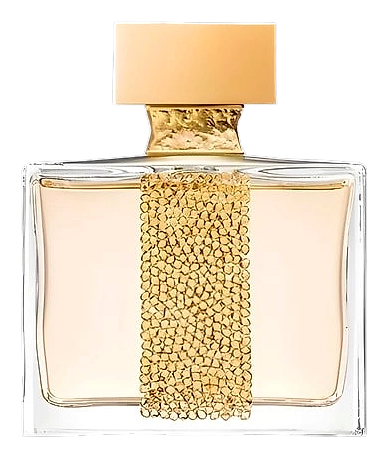
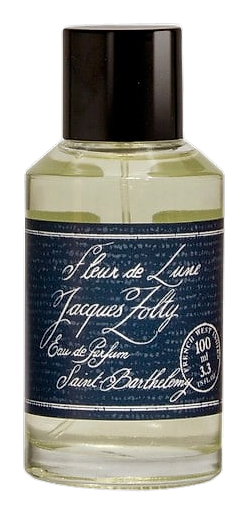
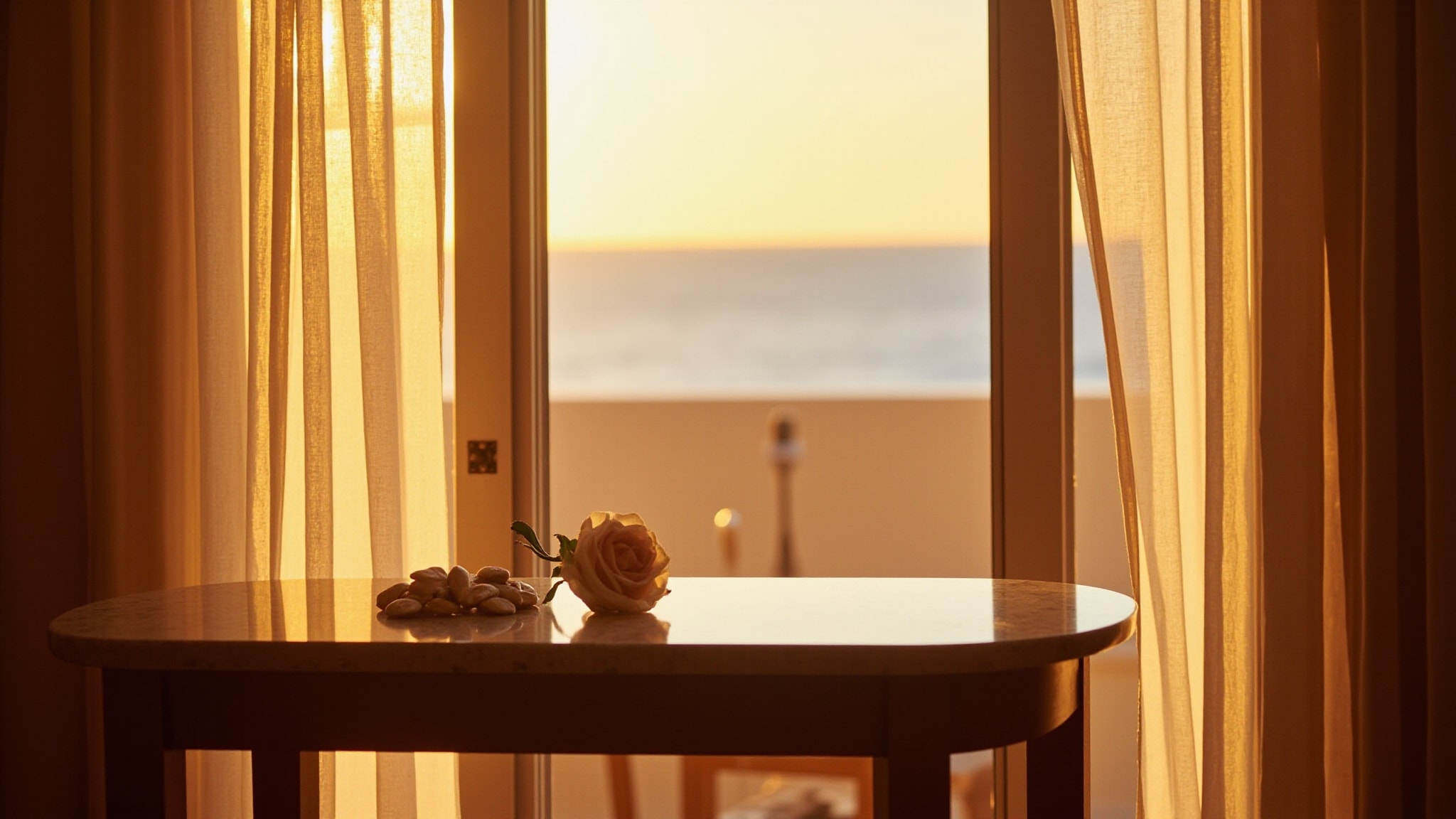
Fleur de Lune arrived in 2014, composed by David Maruitte for Jacques Zolty, a house built around the unhurried ease of Saint-Barth. The name means moonflower, a bloom that opens only at night, revealing pale petals when the sun drops and the air cools. There's something deliberate about that timing. A fragrance designed for the hours after the heat breaks, when bergamot loses its sharpness and woods stop smelling like furniture. Maruitte worked with a tight palette: bergamot up top, rose and freesia at the heart, then a base of almond, cedarwood, musk, and sandalwood. Nothing loud. Nothing shouting for attention. Just the scent of someone who arrived late and looks better for it.
What makes the composition work is what it leaves out. There's no oud, no heavy patchouli, no animalic edge pulling the rug out. Instead, almond does the heavy lifting in the drydown, lending a marzipan softness that keeps the florals from feeling thin or soapy. Cedarwood and sandalwood ground the sweetness without darkening it. Musk adds skin-like intimacy. The accord reads warm-spicy in classification but wears powdery on skin, which is a useful trick: the listed warmth translates into a creamy, almost gourmand haze rather than actual heat. It's floral with a backbone, not a backbone wearing florals.
The evolution
The first thirty minutes are the brightest the fragrance ever gets. Bergamot opens with that familiar sparkling citrus peel, clean and lifted, but it doesn't linger long. By the one-hour mark, the rose and freesia have moved in, and the scent softens considerably. The florals here read powdery rather than dewy or indolic. Around the three-hour point, the base begins asserting itself. Almond comes forward first, giving the composition a soft, almost nutty sweetness, then cedarwood and sandalwood smooth everything out. Musk wraps it up, turning the scent closer to skin with each passing hour. Six to eight hours total, with the final drydown settling into a warm, creamy, slightly sweet wood-and-muski veil that stays close to the body. On fabric the next morning: almond and sandalwood, faint but present.
Cultural impact
Fleur de Lune sits in a particular lane: the soft, powdery floral that flatters without demanding attention. Wearers gravitate toward it for daytime, office-friendly settings and transitional seasons when heavier orientals would overwhelm. It's the kind of scent someone reaches for when they want to feel composed rather than noticed.