The Story
Why it exists.
The beginning
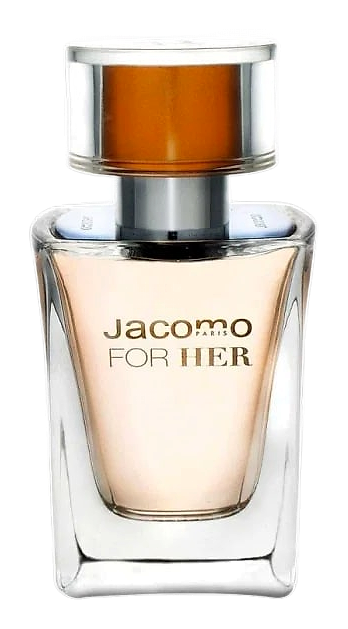
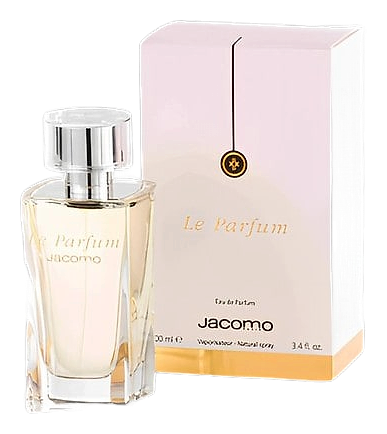
Henri Bergia designed Le Parfum for Jacomo in 2014. The name says it all: this is the house's statement piece, stripped of pretense. Bergia built it around a tension between luminous fruit and warm woods, peach opening bright, jasmine and rose settling in with quiet authority, sandalwood and vanilla arriving late to a conversation already in progress. The brief was simple: make something that wears well without working too hard to prove it. Jacomo's philosophy favors restraint over excess. Le Parfum embodies that without apology. Bergia didn't reach for complexity, he trusted that good materials, honestly composed, would do the work on their own. The fragrance doesn't announce itself. It arrives, settles, and earns attention by staying power alone.
The structure is the thing worth knowing: three bright top notes against a simple heart of two florals, then a base that's half the pyramid. Bergia understood that warmth is what people remember. Musk and sandalwood form the foundation, but vanilla is the quiet argument, the note that keeps skin warm long after the peach has softened. The rose-jasmine pairing is classic without being nostalgic. Neither flower dominates; they share the middle ground with genuine comfort. The percentage of sandalwood matters here. It's the bridge between the fruity opening and the creamy finish, preventing the drydown from becoming too sweet or too linear. Bergia threaded it carefully, letting each phase earn the next.
The evolution
The opening announces itself immediately: mandarin and bergamot crackling bright, peach lending a soft juiciness that keeps the citrus from sharpening. Thirty minutes in, the florals begin their slow takeover, jasmine first, then rose arriving like a warm hand on the shoulder. The sandalwood grounds everything before it floats away. By hour two, the drydown has settled into something more intimate. Vanilla brings creaminess without sweetness overload. Musk keeps it close to skin, almost whispering. This is where the fragrance earns its reputation: not in projection, but in presence that lingers without demanding notice. Hours later, six, sometimes eight on most skin, the vanilla persists. The sandalwood has deepened. There's a warmth on skin that feels earned rather than applied. Bergia made something that doesn't rush its own ending.
Cultural impact
Le Parfum has existed quietly since 2014, not a bestseller, not a cultural flashpoint, but the kind of fragrance that earns loyalty through consistent wear. It's the option for someone who stopped chasing trends and started trusting what works. Unlike releases that dominate one season and vanish, Le Parfum has outlasted the cycles.