The Story
Why it exists.
The beginning
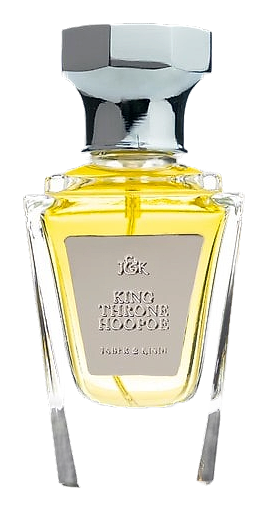
King Throne Hoopoe draws its name from a story older than any perfume bottle could hold. In the tradition surrounding King Solomon, a hoopoe bird within the king's army reported a distant queen who worshipped the sun, ruling from a magnificent throne. Solomon, commanded to guide her, invited her to come. When she arrived, she found her throne already moved into his palace, proof of a power beyond her own. She submitted, and her people followed. This is the moment Jaber & Kindi translated into scent for their 2020 Heritage Collection. Not the spectacle of the meeting, but the recognition, when a queen looks at her own throne in someone else's hall and understands everything has changed. The hoopoe is the messenger. The throne is the symbol. The smoke and rose and honey are the aftermath of that recognition, the incense burned in a palace that just won an argument without a war. The composition reflects the story's structure.
Most rose-incense fragrances lean on oud or sandalwood to anchor the heart. King Throne Hoopoe uses honey instead, and that single choice reshapes everything the fragrance does on skin. Honey brings warmth without smoke, sweetness without sugar, an animalic undertone without crossing into musk territory. It turns what could have been a solemn, meditative composition into something warmer, almost domestic. Like an offering laid out for a guest who matters. The choice of two distinct incense materials, frankincense above and myrrh below, with rose and honey holding the middle, creates a layered resin structure that reads as deliberate rather than stacked. Olibanum and myrrh have shared altars for centuries.
The evolution
The first hour belongs to frankincense. It opens cool, almost astringent, the way the air feels in a stone hall where something important is about to happen. There is a mineral sharpness to it, and for the first twenty minutes the rose hasn't fully arrived. It's a held breath. Then the honey comes through, and the rose with it. Not the bright, jammy rose of a summer perfume. A darker, older rose, the kind that feels preserved in something. The smoke doesn't disappear. It just moves underneath, becomes the floor rather than the ceiling. This is the 3-6 hour mark, and this is where the fragrance earns its name. The warmth here is generous, almost edible, but never loses the resinous backbone. By hour eight, the rose has softened to something close to a memory of itself, and the myrrh has risen. The honey fades last, and it fades beautifully. What stays on skin after a full day is a dry, resinous sweetness, intimate now, the kind of scent you catch on a scarf or a collar the morning after. On fabric, it lasts longer.
Cultural impact
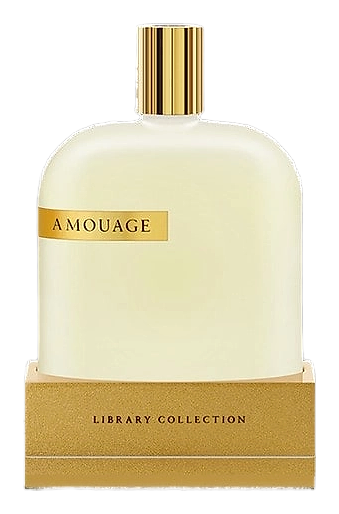
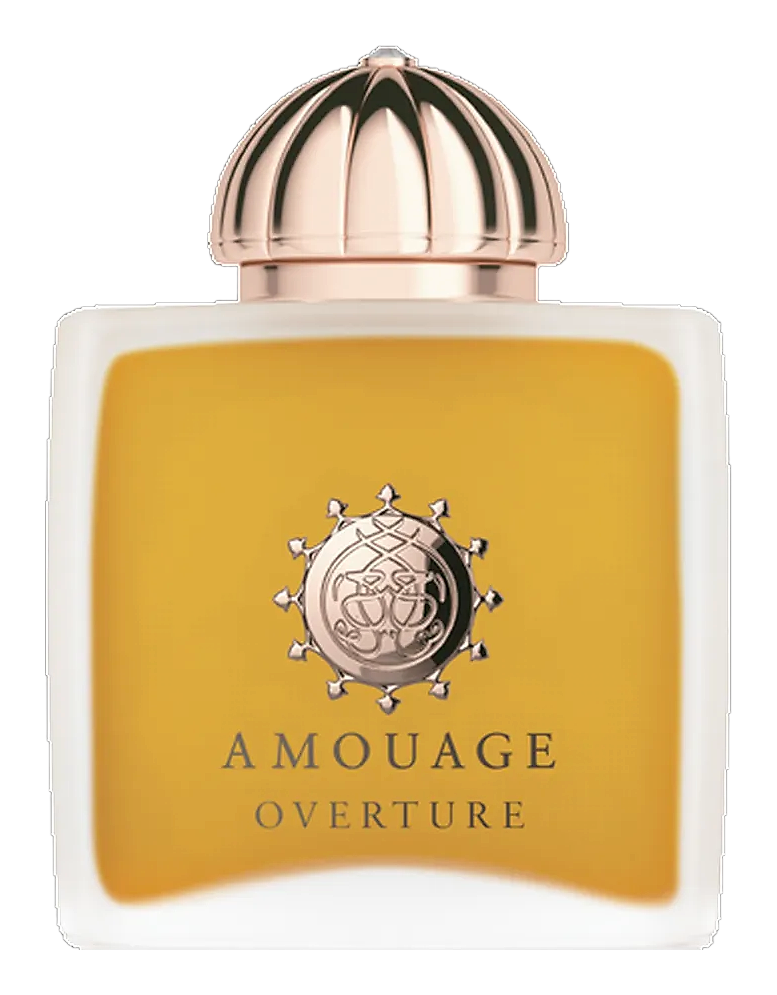
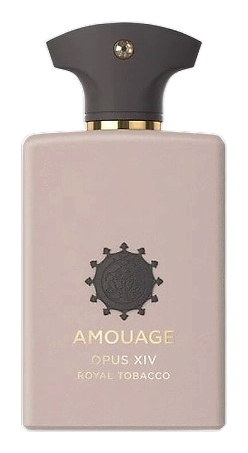
King Throne Hoopoe lives in the territory where rose-incense fragrances speak loudest, the same neighborhood as Amouage's rose work and Frederic Malle's compositions that lean devotional. It doesn't chase that audience so much as assume it. The honeyed warmth sets it apart from drier, more austere incense-forward compositions, giving it a sweetness that reads almost edible without tipping into gourmand territory. Wearers tend to describe it as a scent for occasions that already carry weight: a formal evening, an intimate gathering, a dinner where you want to be remembered after you leave. It is not a casual fragrance, and the people it attracts tend not to be either.