The Story
Why it exists.
The beginning
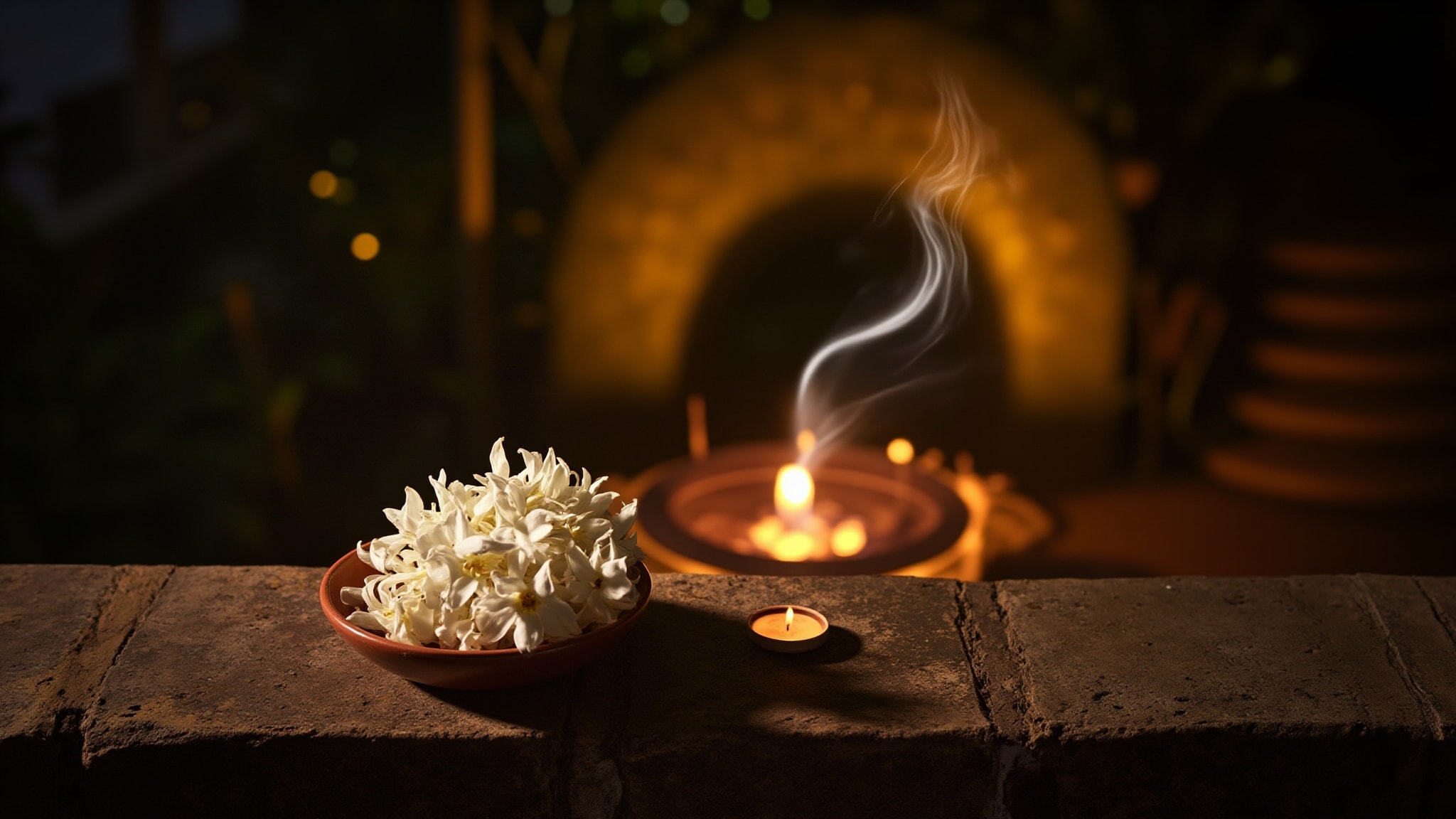
ID Parfums launched Jardin de Bali in 2010 as the second chapter in its Jardin series, following Jardin de Sicile. Cecile Matton, the nose behind the composition, turned her attention from Sicily's Mediterranean citrus to the denser, more humid flora of Indonesia. The brief was simple: capture Bali, not as a postcard, but as a sensory impression. The island's night air, its lush, humid gardens, the warmth that doesn't quit after sunset. That meant tropical florals at their most assertive, held in check by spice and sweet balsamic base notes that give the whole thing a warm, lasting presence. It's a fragrance that wears its geography without apology. What the community data confirms: one reviewer noted coconut as dominant despite it not appearing in official notes.
What makes Jardin de Bali stand apart from other tropical florals is the interplay between warmth and restraint. The opening is bright, bergamot and cloves pull in opposite directions, citrus versus spice, but they don't fight. They set the stage. The real story begins in the heart, where tuberose arrives with characteristic tropical assertiveness, and ylang-ylang amplifies it. Together, these white florals can tip into something overwhelming. The check comes from the base. Benzoin is balsamic, resinous, slightly sweet. Vanilla deepens the warmth without adding sweetness in the conventional sense. And black licorice, that's the surprise.
The evolution
The opening hits with bergamot's citrus brightness immediately softened by clove's warm spice. The top notes don't linger, within 15 minutes, the heart takes over. Tuberose arrives with characteristic tropical weight, creamy and slightly animalic, joined by ylang-ylang's sweeter, more exotic floral. The handoff is smooth but noticeable: you go from something that smelled like a spice market to something that smells like a garden at dusk. The heart holds for two to three hours. This is where the fragrance lives most prominently, dense, lush, and warm. The white florals don't evolve dramatically; they deepen slightly as the base notes begin to emerge. Vanilla and benzoin add creaminess without lightening the composition. The black licorice appears as a quiet bitter undertone, keeping things grounded. By hour four, the drydown settles in. The florals recede, leaving behind a warm vanilla-benzoin blend with a faint herbal edge from the licorice.
Cultural impact
Jardin de Bali sits among a range of tropical floral fragrances, yet it carves out a distinct space with its unexpected use of licorice, offering a twist that diverges from the typical coconut or tiare template. The composition blends lush tuberose and ylang-ylang with a hint of spice and a balsamic base that gives the scent a warm, lingering presence. Those who seek tropical florals that avoid the obvious tropes will find it occupies a specific, underserved niche.