The Story
Why it exists.
The beginning
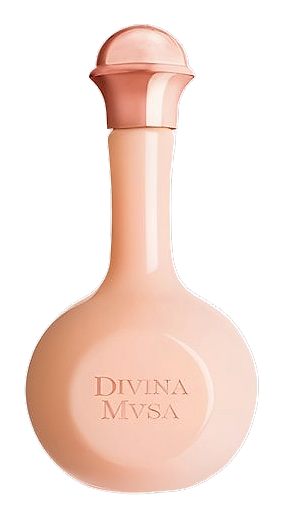
Diva Musa was part of I Profumi di d'Annunzio's debut collection in 2017, one of four fragrances released that year in a project dedicated to translating the poet's literary moods into scent. The name suggests someone who inspires: a muse, theatrical and present. The composition had to match. White florals dominate the heart, but the top is green and fruity, preventing the whole thing from floating away into abstraction. The muse, in other words, has feet.
Raspberry leaf is an unusual top note, more bitter and green than fruity, closer to crushed stems than ripe fruit. It gives the opening an herbal quality that contrasts sharply with the lush floral heart. Lily of the valley is notoriously fleeting in perfumery; it often disappears within an hour. Here it acts as a bridge, cool, translucent, between the sharp green opening and the heavier jasmine-rose combination. The base leans warm rather than woody: tonka and vanilla create a creamy finish that keeps the drydown intimate rather than dramatic.
The evolution
The opening hits bright and green, almost astringent. Raspberry leaf and bergamot arrive together, the citrus cutting through the herbal quality, giving it lift. For the first twenty minutes, this smells like a garden in morning light. Then the hand-off begins. The green notes recede as jasmine pushes forward, thick and slightly indolic. Rose joins, adding spice. The combination of these three florals is dense, almost overwhelming, the diva moment. This is where the fragrance earns its name. Then, gradually, the warmth arrives. Tonka and vanilla smooth everything out. The drydown is skin-close, intimate: amber, musk, and soft woods that don't project much but linger for 4-6 hours on most skin types.
Cultural impact
Diva Musa is among the more accessible entries in I Profumi di d'Annunzio's catalog. The white florals and rose will feel familiar to wearers of classical feminine fragrances, while the green opening and warm vanilla base give it enough distinction to stand apart. For collectors interested in the brand's literary project, it represents the muse archetype, present, theatrical, slightly unattainable.