The Story
Why it exists.
The beginning
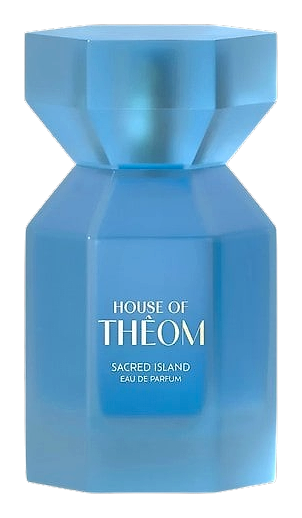
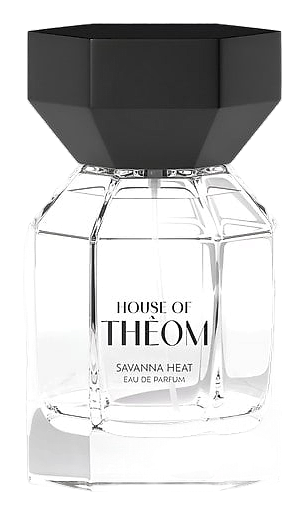
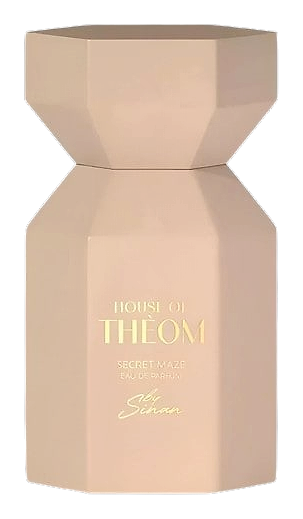
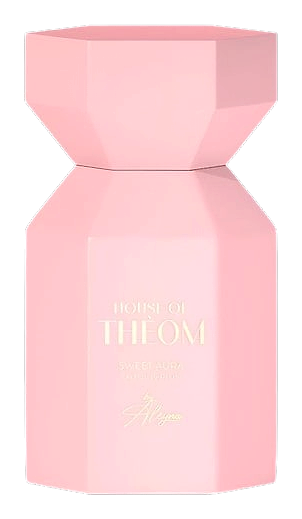
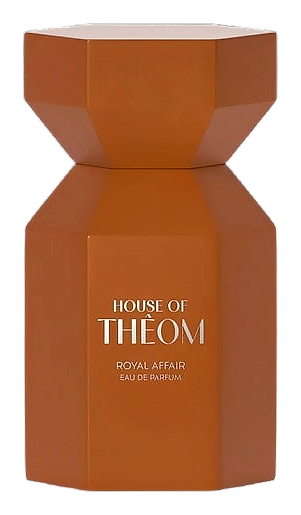
Royal Affair arrived in 2026 from House of Thêom, a Munich-based fragrance house that treats scent as autobiographical experience. No perfumer is identified in the available sources, so the composition speaks for itself: cardamom, bergamot, and citrus establish a polished entrance before cinnamon and amber bring the warmth inward. Vanilla, caramel, and cedarwood supply the finish, giving the name a rich, romantic register without needing a literal backstory.
The interesting part is the balance between brightness and weight. Cardamom lends aromatic spice, bergamot adds a clean citrus edge, and citrus keeps the opening lifted. Then cinnamon and amber shift the mood toward something more enveloping. The base doesn't simply sweeten the fragrance; caramel and vanilla give it a dessert-like fullness, while cedarwood keeps that sweetness from becoming too soft. It's a familiar gourmand language, but the structure gives it a little tension.
The evolution
The opening starts with a clean lift, as bergamot and citrus make space for cardamom's greener spice. That brightness quickly hands over to cinnamon and amber, turning the composition warmer and more intimate. In the drydown, vanilla and caramel become the main event, rounded out by cedarwood's woody steadiness. The result is a polished sweet-spice trail that settles close to the skin, with enough presence for an evening and enough warmth to linger through the next few hours.
Cultural impact
House of Thêom presents Royal Affair within a contemporary niche fragrance culture shaped by memory, atmosphere, and personal narrative rather than inherited perfume mythology. Its sweet-spicy profile sits close to modern gourmand and amber-led compositions, while the name places it in a romantic, cinematic register. The fragrance is best understood as a polished atmosphere: polished enough for a formal evening, warm enough to feel personal.