
The Story
Why it exists.
The beginning
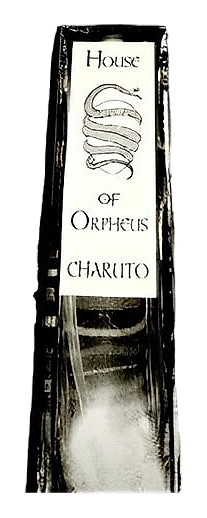
Charuto arrived in 2014 from perfumer Marcus R. McCoy's House of Orpheus. The name is Portuguese for cigar, and the intent was unmistakable: to bottle the atmosphere of a well-aged cigar box, that enclosed world of cured leaf, cedar lining, and the resinous ghosts of every smoke that came before. McCoy built the composition around black Amazonian jungle tobacco, ethically sourced castoreum, oud, and cedar, a four-note architecture that strips away ornamentation in favor of raw material density. There is no citrus to brighten the opening, no vanilla to sweeten the base. Just the smell of tobacco aged in wood, framed by materials that carry their own weight and history. The composition reads as a grounded ritual, dense and unapologetic in its refusal to soften itself for mass appeal.
What makes Charuto compelling is the castoreum. McCoy sources it ethically, and the material gives the composition its warm, leathery undertone, a quality that grounds the sweeter tobacco notes and adds a dimension of skin-like intimacy to the blend. It bridges tobacco's dry sweetness and oud's smoky depth, functioning as connective tissue between materials that might otherwise feel disjointed. Cedar provides the structural wood, evoking the cigar box itself, the container that holds everything in place.
The evolution
The opening belongs to tobacco, dry and slightly sweet, the way cured leaf smells before it's lit. A faintly papery quality marks the first impression, like opening a fresh box where the contents have been resting undisturbed. Oud works its way in slowly, not as a sharp blast but as a smolder underneath, adding warmth and smoke that shifts the register darker. Castoreum surfaces gradually, turning the composition leathery and animal, evoking the scent of skin that has held a cigar for too long. As the hours pass, the tobacco mellows into something almost honeyed, though never truly sweet, and the oud settles into a deep base. Cedar emerges in the later stages, dry and clean, cutting through the richness with a structural clarity. The fragrance holds its shape well into the evening, maintaining density without losing definition.
Cultural impact
Charuto sits at the heavier end of the tobacco category, a fragrance that commits fully to its materials without concession to easier wearing. It appeals to those drawn to compositions where density and honesty outweigh immediate accessibility, where the materials are allowed to speak at full volume. The blend shares sensibilities with other uncompromising tobacco fragrances that prioritize cured leaf over sweetness, standing as a marker of how far the genre can stretch when ornamentation is stripped away.