
The Story
Why it exists.
The beginning
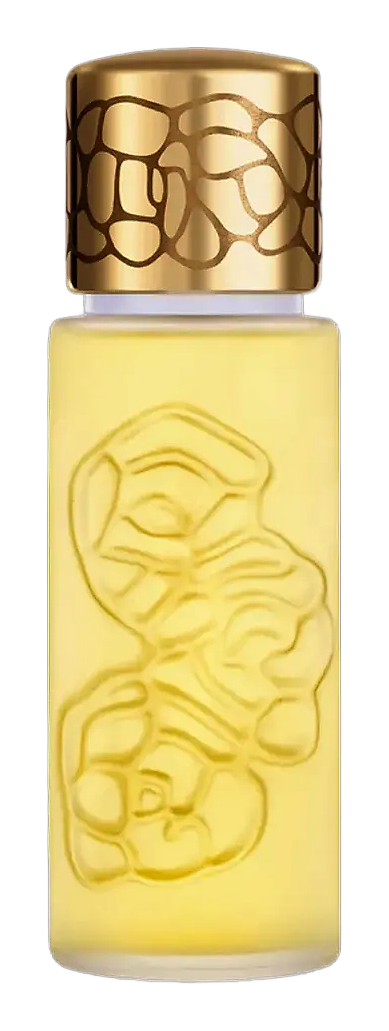
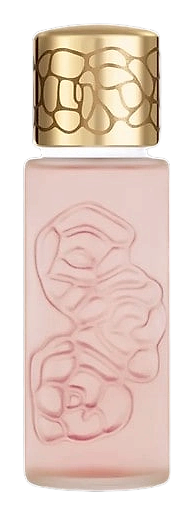
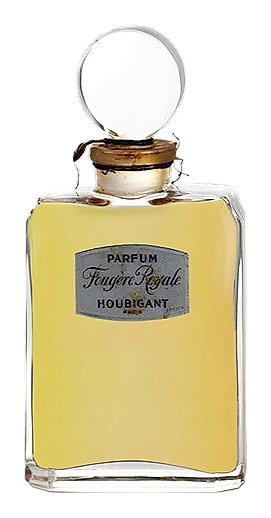
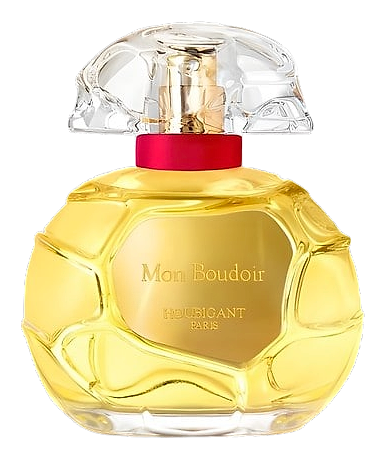
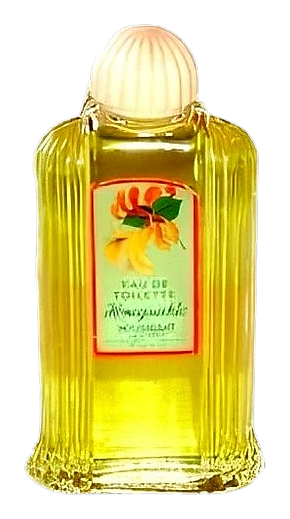
Honeysuckle by Houbigant arrived in 1938, and the choice to make it says almost as much as the formula itself. Somewhere in the house's long run of compositions, the perfumers turned their attention to a single flower and let it lead. The result was a soliflore, a fragrance that commits entirely to one botanical idea rather than building a complicated bouquet around it. There is no citrus spark to make it friendly, no musky base to make it safe, no green leaves piled on to suggest a garden. Honeysuckle was the flower, the whole flower, and nothing else was allowed to crowd it. The restraint is the point.
What makes a soliflore worth wearing is restraint, and Houbigant's challenge with Honeysuckle was capturing the flower honestly without letting it collapse into something sticky or one-note. Real honeysuckle has tension inside it: nectar-heavy sweetness balanced by a green, almost feline sharpness, and a lactonic creaminess that reads almost edible. The accord stack, white floral, fruity, yellow floral, animalic, lactonic, is the perfumer's way of describing every side of that single flower at once.
The evolution
The opening hits immediately, honeysuckle unspooling in that bright, almost-too-sweet way the flower has when you crush a stem between your fingers. It's direct. Unhurried. The lactonic warmth comes up underneath early, rounding the sweetness into something that sits on skin rather than floating above it. The heart deepens through the long middle of the wear, the yellow floral intensity holding while the fruity edge softens into something riper, almost peachy, the way honeysuckle itself deepens as the day warms up and the nectar thickens. Eventually the animalic undertone surfaces, a faint muskiness that keeps the whole thing from becoming pretty in a forgettable way. The drydown is a quiet hum of warmth that lingers for hours, closer to skin than to air, a suggestion of the flower that bloomed earlier rather than a fresh-cut stem. It doesn't shout. It stays.
Cultural impact
Honeysuckle reads as a particular kind of statement within floral perfumery, a soliflore that commits to one flower and lets every other choice fall away. The lactonic warmth and faint animalic edge give it a specificity that puts off anyone looking for safe abstraction, but for the wearer who actually wants to smell like a particular flower in a particular season, there's nothing quite like it. It rewards attention. On skin, the composition keeps pulling the nose back in, the way a real vine does in summer, when you walk past it and catch the scent a second and third time before you've moved on.