The Story
Why it exists.
The beginning
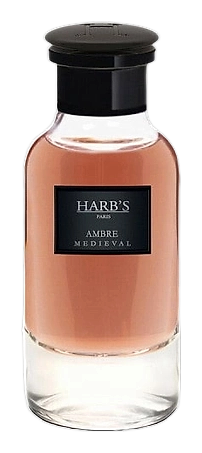
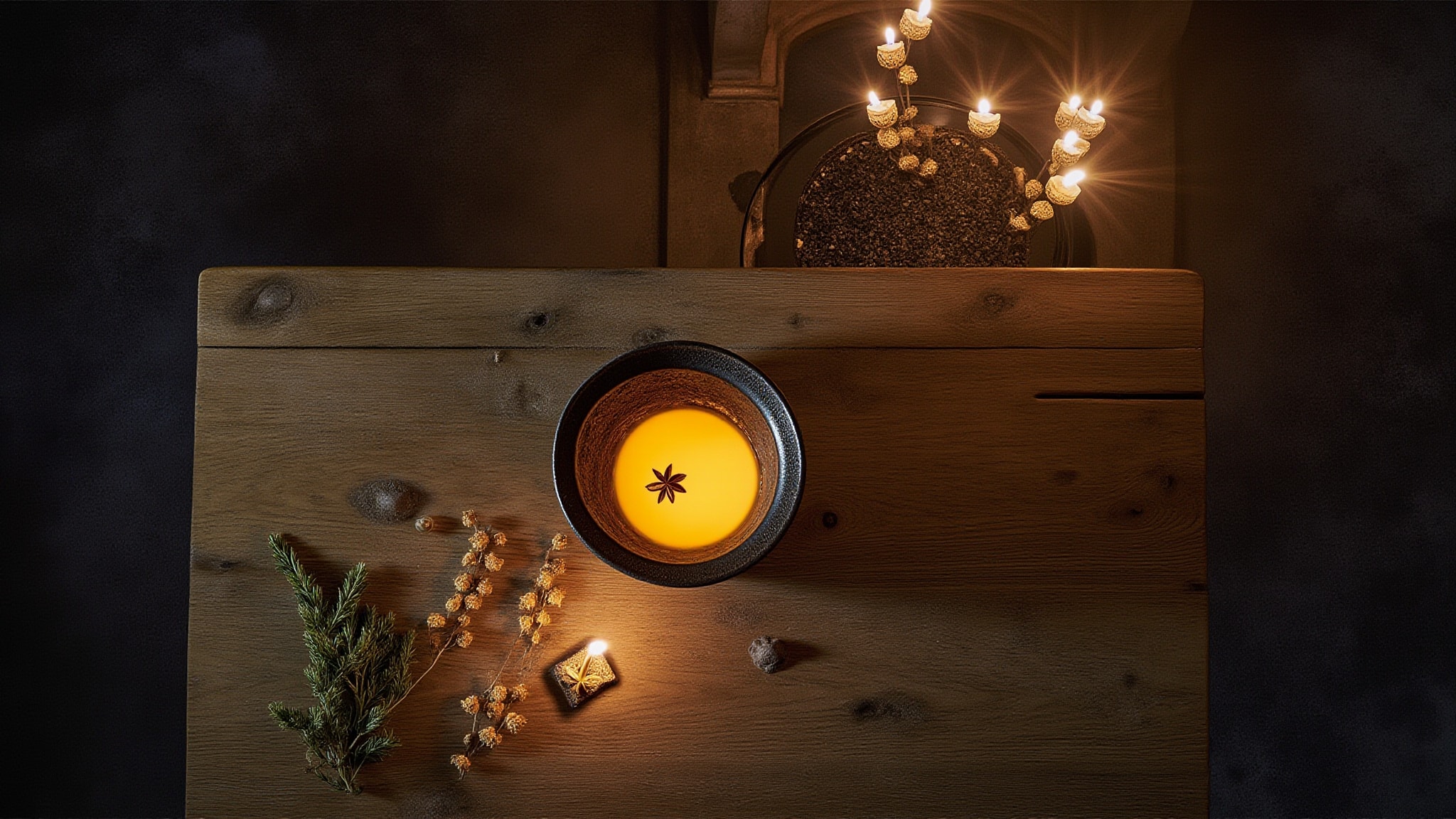
Ambre Médiévale began as an attempt to translate something ineffable: the sensory memory of medieval amber, a material that once perfumed the courts and marketplaces of an earlier era. For Ghaleb Harb, the founder of Harb's, this concept resonated deeply with his own background, a Senegalese upbringing soaked in spice market aromas and a Lebanese heritage built on incense and aromatic resins. Harb's French training gave him the tools to render that memory into something wearable and precise. The house chose star anise, cypress, and hazelnut for the opening precisely because these materials echo the sharp, warm, slightly smoky character of historic amber: aromatic, grounded, with an edible warmth that feels ancient rather than modern.
The philosophy behind Ambre Médiévale rests on the idea that amber, in its historical sense, was never simply sweet, it was complex, often sharp, sometimes smoky, always layered. Harb's captures this by using star anise as the aromatic anchor rather than defaulting to gourmand sweetness. Hazelnut bridges the gap between edible and aromatic without becoming cloying. In the heart, neroli and vetiver create a botanical dialogue that feels neither strictly masculine nor feminine, allowing the fragrance to occupy a neutral but defined space.
The evolution
The opening immediately establishes Ambre Médiévale as something that resists easy categorization. Star anise arrives with an assertive, almost medicinal clarity, quickly softened by the warmth of hazelnut and the green restraint of cypress. The effect is a brief, aromatic declaration, confident without being aggressive. The heart follows with a slower, more deliberate transition: neroli brightens the composition with clean citrus florals, while vetiver grounds it in dry earthiness. Woody notes provide structural support and a quiet depth, and violet adds a refined powdery layer that softens what could otherwise become austere. By the time ambroxan enters, the fragrance has shifted from sharp warmth to something warmer and more mineral, almost salty. Vanilla rounds this final act into a creamy, intimate experience, and white musk ensures the trail remains close to the skin, present without projecting loudly into the surrounding space.
Cultural impact
Ambre Médiévale, launched in 2025, taps into a resurgence of medieval-inspired amber compositions that have been gaining cultural traction across fashion and interior design. The scent’s blend of star anise, cypress, and hazelnut resonates with contemporary audiences seeking depth and heritage in modern products. Its release coincided with a broader movement toward nostalgic reinterpretations, influencing runway shows that featured warm, woody palettes and prompting designers to incorporate amber‑toned accents in collections.