The Story
Why it exists.
The beginning
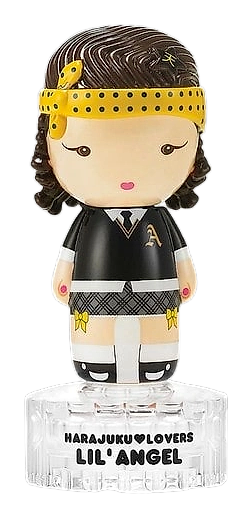
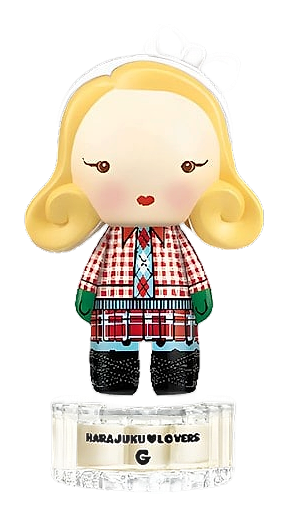
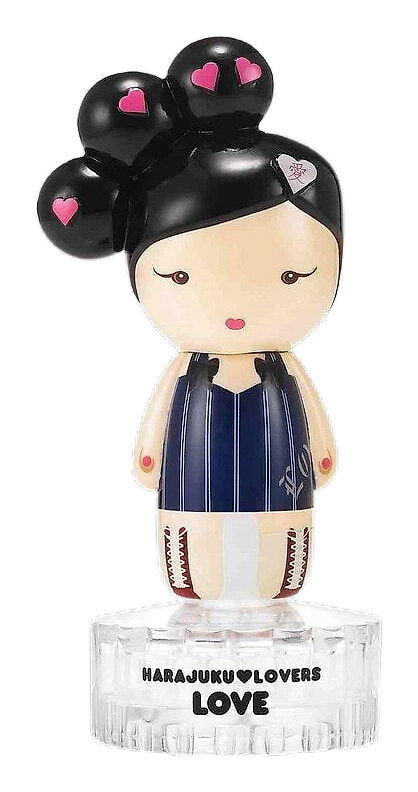
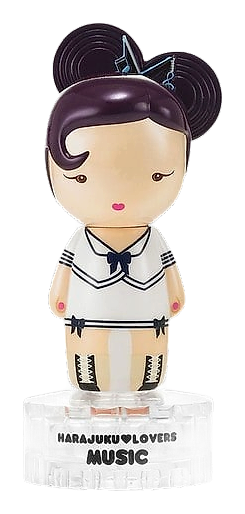
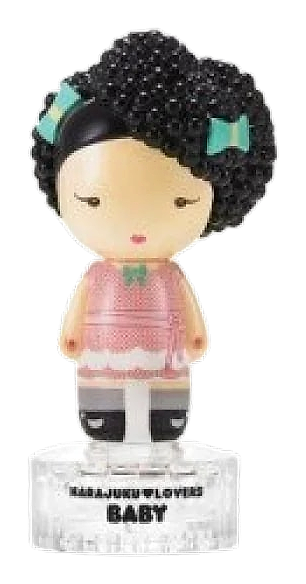
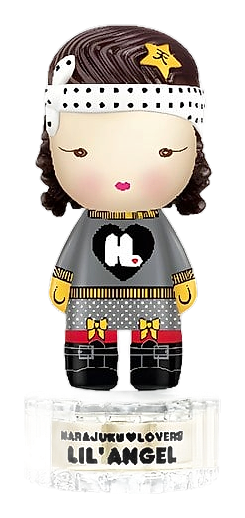
Snow Bunnies Lil' Angel arrived in 2009 as part of the Harajuku Lovers winter seasonal collection, a trio of limited-edition fragrances that dressed the brand's signature doll bottles in cool-weather outfits. The name connects directly to Jenifer Kita, one of the four Harajuku Girls who performed as Gwen Stefani's backing dancers and eventual style muses. Each Girl carried a fragrance identity: Maya Chino was Love, Rino Nakasone-Razalan was Music, Mayuko Kitayama was Baby, and Jenifer Kita became Lil' Angel. This winter release gave that character a new seasonal costume and, in Christophe Raynaud's hands, a composition that matched the moment: bright berries upfront, something softer in the middle, and an unexpected warmth at the base that kept the sweetness from floating away entirely.
The interesting move here is the hinoki wood in the base. Hinoki is Japanese cypress, a material more often associated with incense and traditional bathhouses than with fruity-floral celebrity fragrances. Raynaud didn't need it. The note pyramid already worked: berries, florals, amber, done. But adding hinoki grounds the composition in something specific and slightly unexpected. It creates a tension between the playful, candy-bright opening and a quieter, almost meditative finish. That's the choice that makes Lil' Angel worth talking about. Without it, she's sweet and forgettable. With hinoki, she's sweet and has somewhere to go.
The evolution
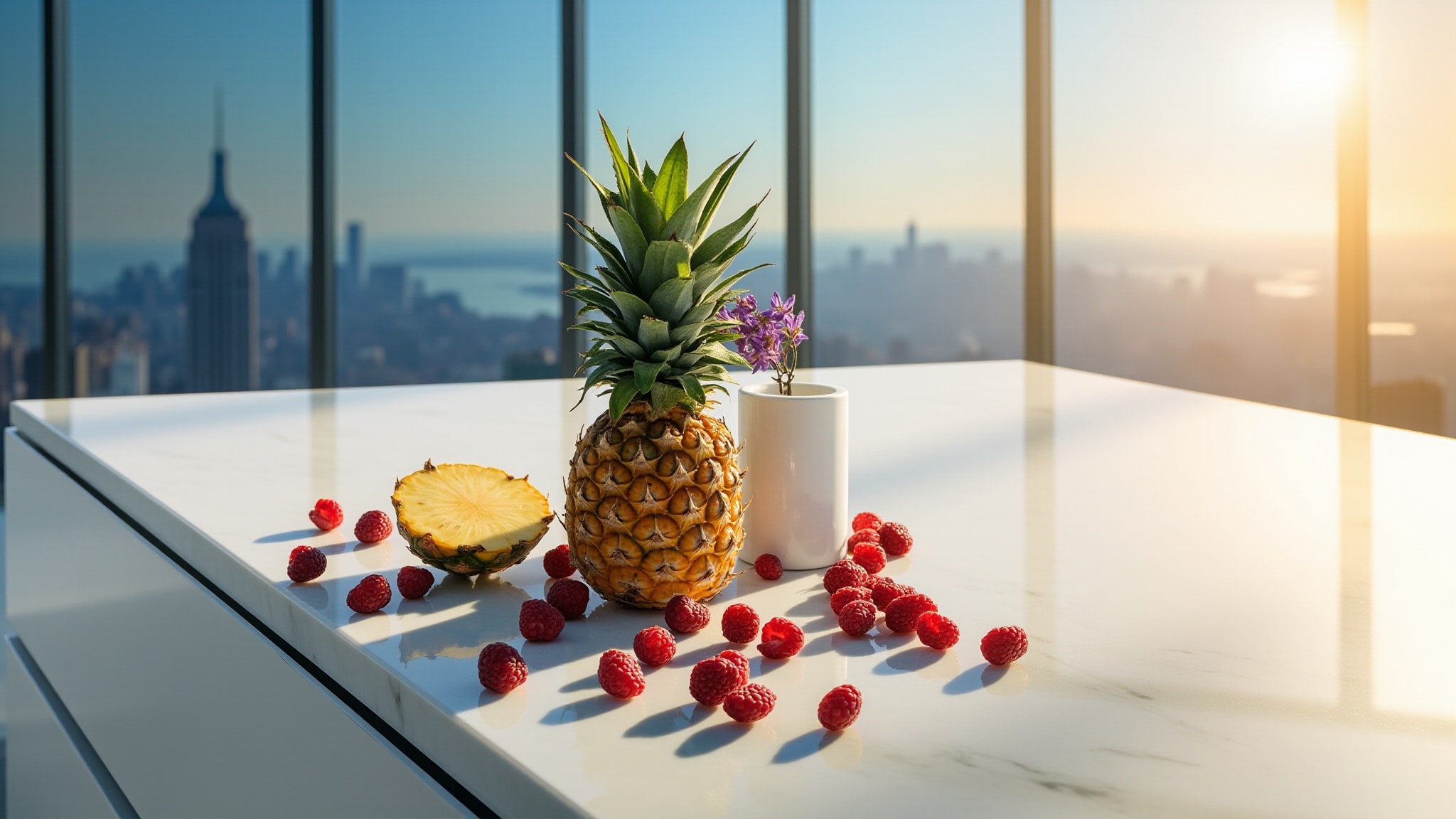
The opening hits all at once. Cranberry, raspberry, a little pineapple for brightness. It's immediate, almost aggressive in its friendliness. This is not a subtle entrance. Within 20 minutes, the berries begin to settle and the florals arrive, violet first, then a soft rose that keeps things gentle without becoming powdery. The hinoki doesn't announce itself. It builds slowly, beneath the sweetness, as the fruit notes start to thin. By the third hour, the amber and hinoki are doing the real work. The sweetness is still there, but it's quieter now, wrapped in something warm and slightly resinous. On fabric, the hinoki lingers longest, a clean, woodsy presence that stays close to the skin well into the evening. What remains by morning is a soft, clean warmth that doesn't smell like much of anything specific. The kind of skin-scent that makes someone lean in without knowing why.
Cultural impact
Lil' Angel exists in a specific cultural moment: 2009, when Harajuku aesthetics had permeated mainstream pop and Gwen Stefani's vision of Japanese street style was reaching peak visibility. The fragrance captures that energy, playful, character-driven, unapologetically sweet. The limited winter edition and the hinoki wood base give it more personality than the typical fruity-floral flanker. For collectors, it represents a piece of that 2009 moment, now increasingly hard to find.