The Story
Why it exists.
The beginning
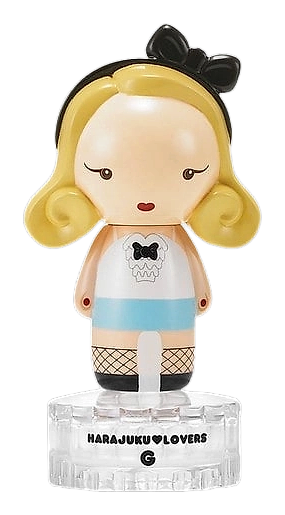
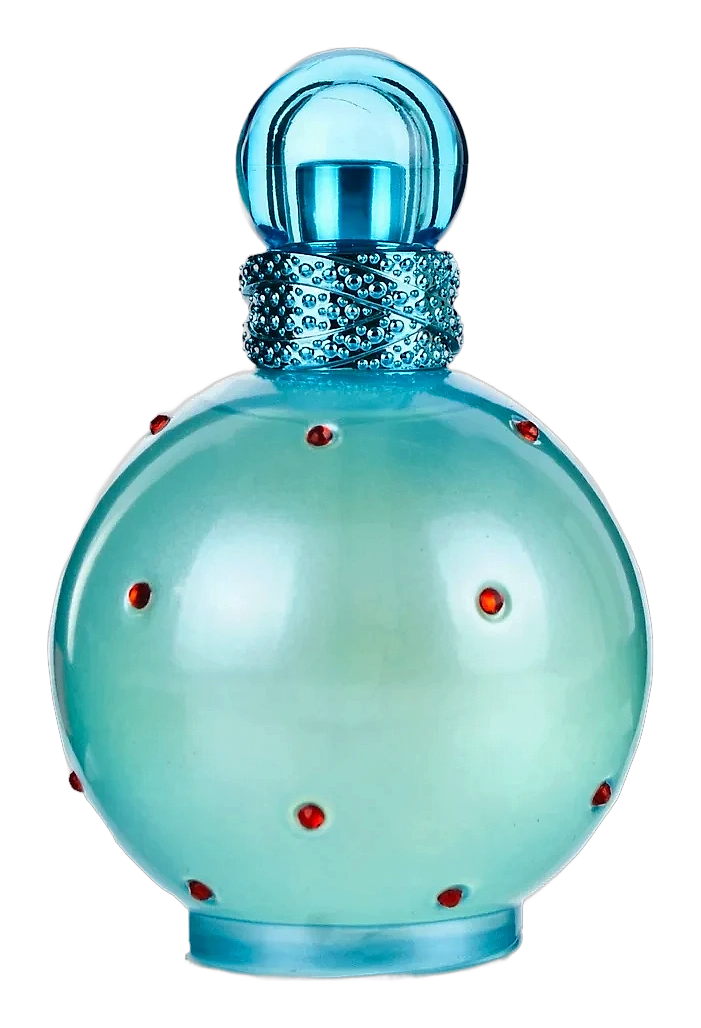
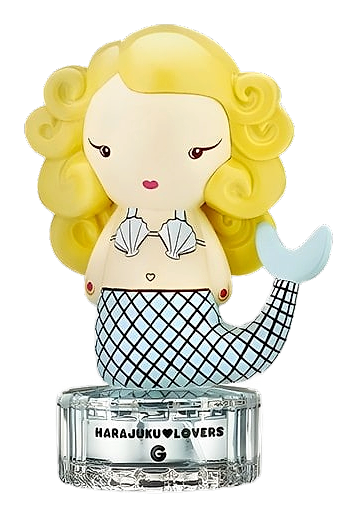
The Harajuku Lovers line ran like a character roster, each fragrance a persona, each bottle a portrait. By 2011, when Gil Clavien composed G of the Sea, the collection had cycled through sunshine cuties, snow bunnies, and wicked styles. This one was the last to arrive, and it was the quietest of the bunch. No declaration, no drama. Just the idea of salt air, warm stone, and a girl who wandered too far from her towel. The brief seems to have been simple: make it smell like the ocean didn't leave.
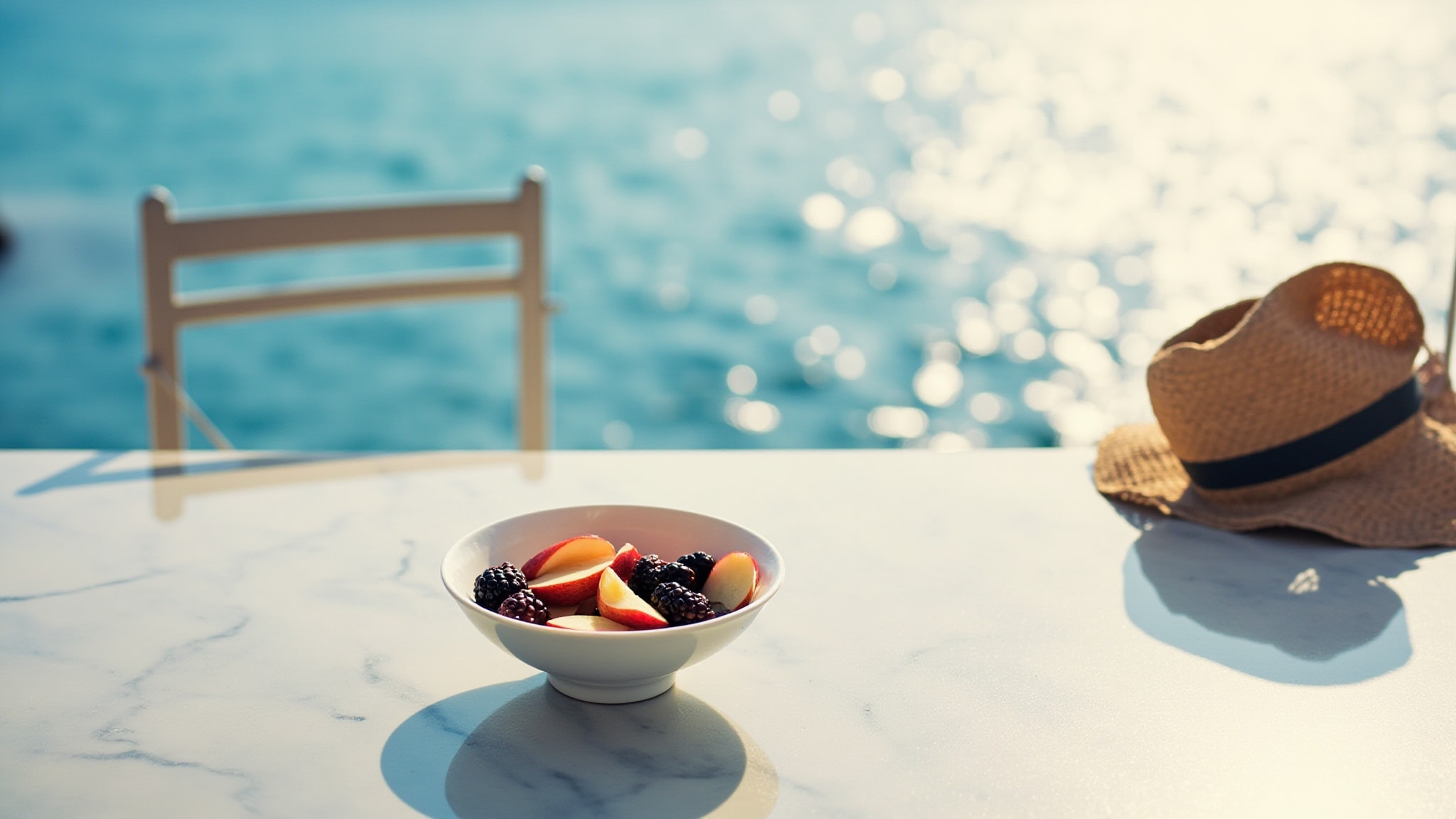
What makes it work is the tension between cool and sweet. Water lily brings the mineral, almost meditative quality of still water. Red apple and wild berries keep it girlish and bright, the kind of sweetness that doesn't try. Then the florals take over: freesia's clean edge, jasmine's cream, peony's soft fullness. It's a heart that genuinely loves skin. The base is where it gets honest. Amberwood and musk don't pretend to be grand. They just hold everything close for an hour or two, then go quietly. No performance. No residue the next morning. This is a fragrance that knows exactly what it is.
The evolution
The opening hits within seconds, red apple and water lily, cool and immediate, like stepping into a shaded room. Within ten minutes the wild berries appear, sweetening the mineral edge just enough. The handoff to the heart is fast and clean; freesia arrives around minute fifteen, followed quickly by peony and jasmine. The florals take the lead and hold it. This is where the fragrance lives, not the top, not the base, but the white floral middle that reads as soft skin, clean skin, skin after a long swim. The drydown begins around the forty-five-minute mark. The florals thin out. Amberwood and musk become the conversation, keeping things warm and woody, intimate and close. By the ninety-minute mark, most of what's left is skin-musk and memory. Nothing reaches for attention. Everything fades gently, like the tide going out.
Cultural impact
The Harajuku Lovers line captured a specific cultural moment: late-2000s Western fascination with Japanese street fashion, cosplay aesthetics, and Stefani's own pop-star crossover into lifestyle branding. G of the Sea arrived as the line wound down in 2011, a quieter note before the collection ended production in 2014. It never achieved the visibility of the original Harajuku G or Love. What remains is a fragrance that reads as a time capsule, of an era, a mood, and a certain kind of sunny optimism that has since faded from mainstream fragrance culture.