
The Heritage
The Story of Harajuku Lovers
Harajuku Lovers is a fragrance line that channels the bright, kinetic spirit of Tokyo's Harajuku district. Launched by pop musician Gwen Stefani in 2005, the collection pairs playful bottle graphics with scent stories that echo street‑style fashion, youthful music, and Japanese pop culture. The range includes flirty florals, crisp citruses and sweet gourmand notes, each framed as a character in a larger, music‑inspired narrative. Though the line stopped production in 2014, its bottles still appear on resale platforms, keeping the brand’s vivid aesthetic alive for collectors and nostalgia seekers alike.
Heritage
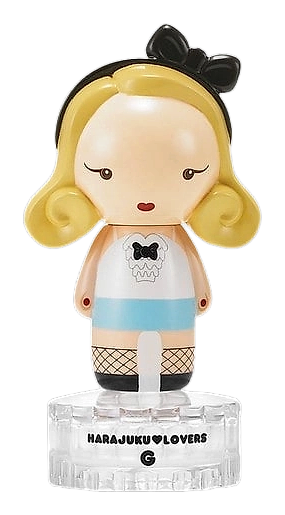
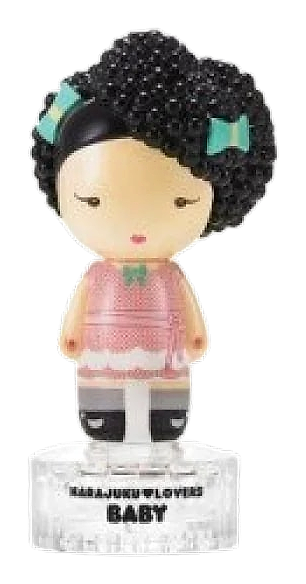
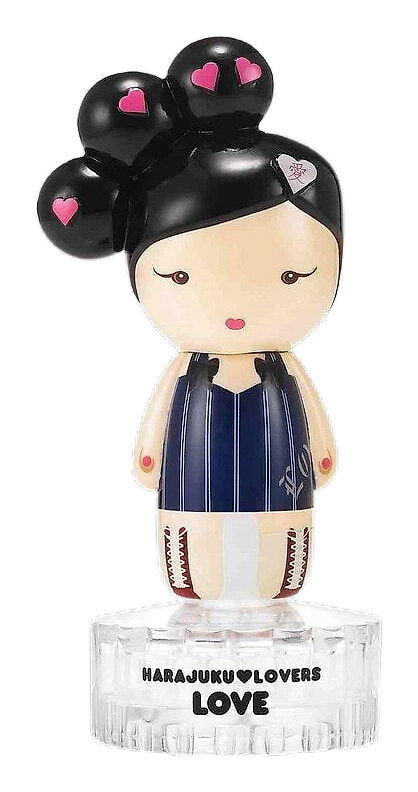
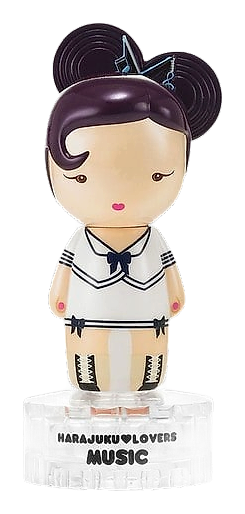
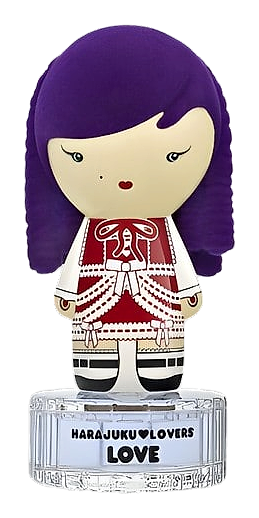
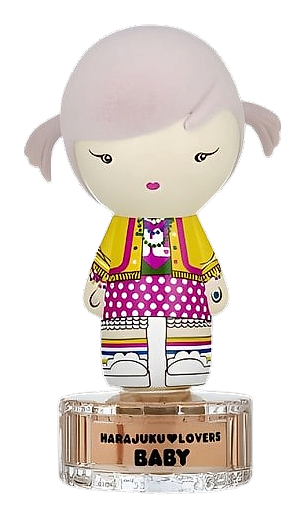
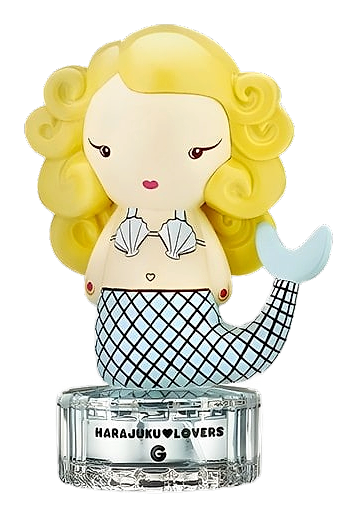
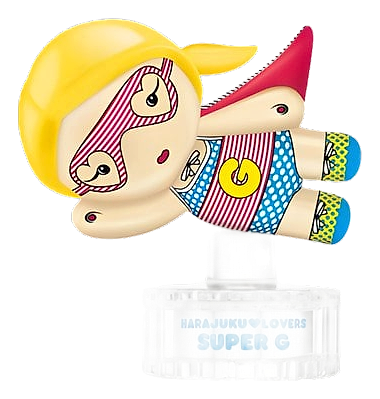
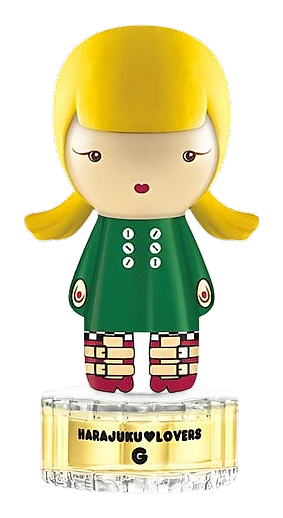
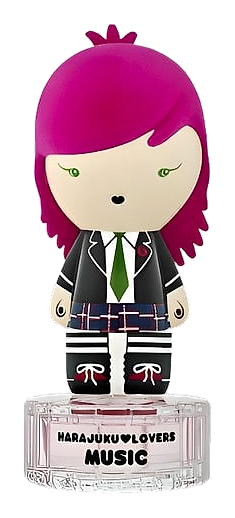
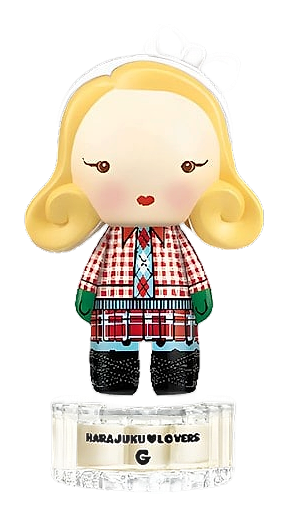
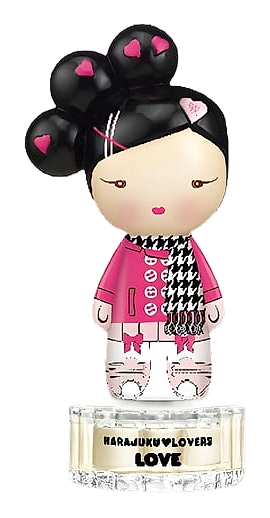
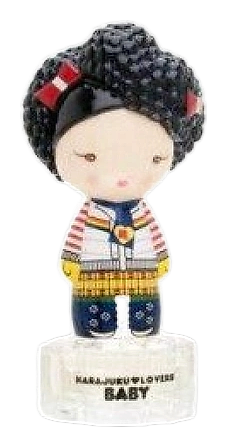
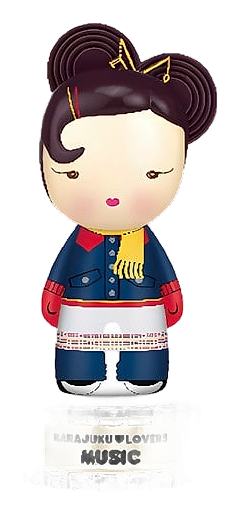
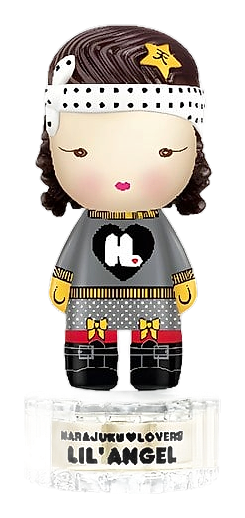
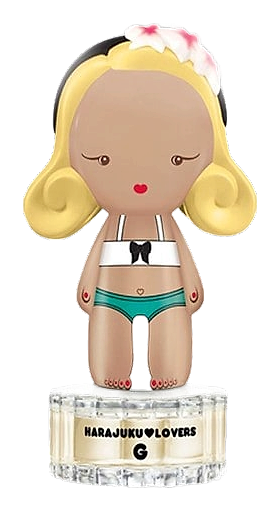
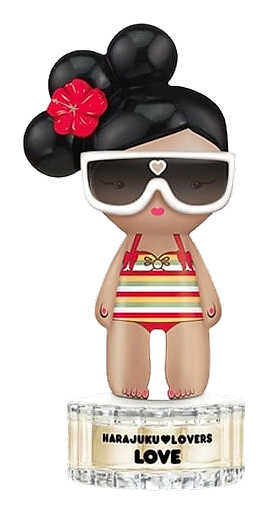
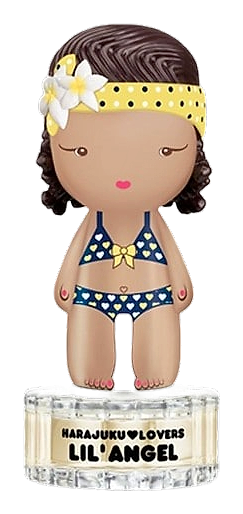
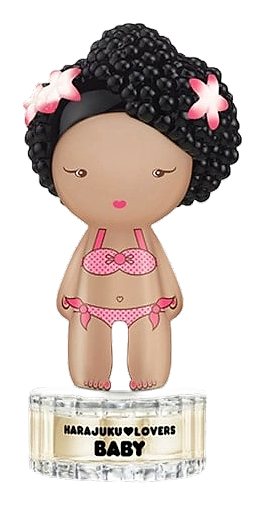
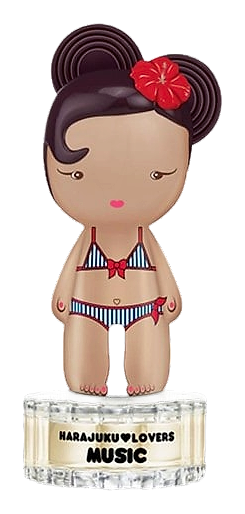
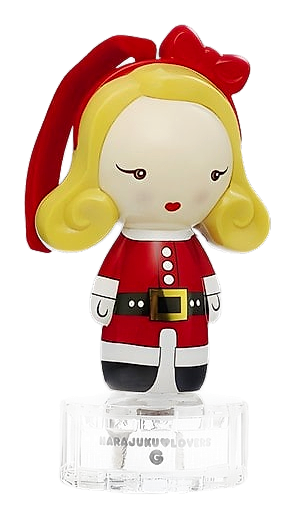
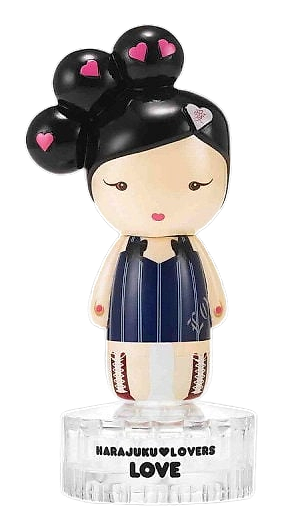
The Harajuku Lovers brand emerged in 2005 when Gwen Stefani, already known for her work with No Doubt and solo pop hits, partnered with Coty to translate her love of Japanese street fashion into fragrance. The first launch arrived in 2008 with Harajuku Lovers G and Harajuku Lovers Love, both packaged in pastel‑hued bottles that featured cartoon‑style illustrations of the brand’s fictional characters. In 2009 the line expanded with a trio of seasonal scents—Sunshine Cuties G, Snow Bunnies G, and Snow Bunnies Love—each marketed as a distinct persona within the Harajuku universe. 2010 saw the addition of Wicked Style Music and Wicked Style Baby, reinforcing the music‑themed concept. Two more releases followed in 2011, Jingle G and G of The Sea, which introduced brighter citrus accords and marine notes respectively. The final addition, Pop Electric, arrived in 2014 as a limited‑edition set that bundled a mini spray, a keychain and a glossy look‑book. By the end of 2014 the entire line was discontinued, a fact confirmed by multiple community discussions on Reddit and fragrance forums. Though no longer produced, the brand’s eight‑year run left a distinct imprint on early‑2000s fragrance culture, often cited in retrospectives of Y2K‑era scent trends.
Craftsmanship
Production of Harajuku Lovers fragrances was handled by established perfume houses contracted through Coty. Formulas combined mainstream aromatic chemicals with natural extracts such as bergamot, freesia, heliotrope, jasmine, orange flower, tiare, violet and white rose, as listed on ingredient disclosures for the Baby Scent variant. The development process followed standard industry practices: brief creation, scent sketching, stability testing, and batch scaling. Quality control included GC‑MS analysis to verify ingredient ratios and ensure consistency across production runs. Bottles were molded from clear PET or glass, then printed with vibrant graphics using UV‑cured inks that resist fading. Caps featured molded plastic tops in matching pastel shades, reinforcing the line’s playful visual language. While the brand did not publish a list of perfumers, the consistent olfactory profile across releases suggests a core creative team that balanced synthetic freshness with select natural notes, delivering scents that performed reliably in both retail and personal use environments.
Design Language
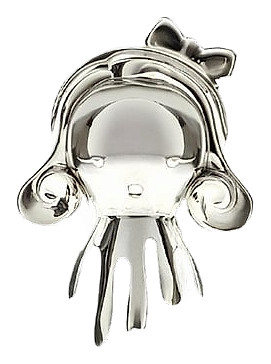
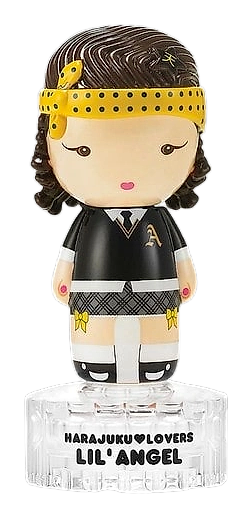
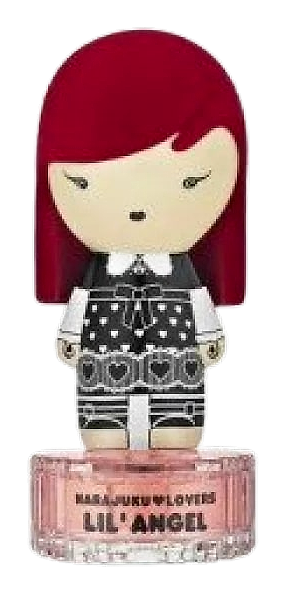
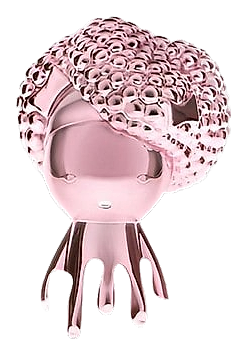
Visually, Harajuku Lovers adopts a cartoon‑inspired graphic style that mirrors the neon signage and eclectic fashion of Tokyo’s Harajuku streets. Each bottle showcases a pastel background—pink, teal, lavender—overlaid with bold, hand‑drawn characters that represent the scent’s persona. The typography mixes a playful script with block lettering, creating a youthful, music‑festival vibe. Packaging often includes a glossy sleeve printed with Japanese‑style motifs, such as cherry blossoms or stylized wave patterns, reinforcing the cultural reference point. The Pop Electric set amplified this approach with a metallic silver bottle, a matching keychain, and a mini booklet that mimics a concert program. Across the line, the visual identity remains consistent: bright colors, whimsical illustrations, and a sense of fun that invites consumers to view fragrance as a personal accessory rather than a formal statement.
Philosophy
Harajuku Lovers positions scent as an extension of personal style, borrowing the DIY ethos of Harajuku street fashion. The brand treats each fragrance as a character, inviting wearers to adopt a playful identity for a day or a season. Its creative brief emphasizes bright color, bold graphic motifs and a soundtrack‑like naming scheme, reflecting Stefani’s background in music and fashion. Rather than pursuing avant‑garde techniques, the line favors familiar, approachable accords—citrus, freesia, vanilla, and marine notes—that resonate with a youthful audience. The brand also embraces storytelling, using packaging to convey a narrative that links scent, visual art and pop culture. This approach aligns with the broader trend of experiential branding, where fragrance becomes a multisensory moment rather than a static product.
Key Milestones
2005
Gwen Stefani partners with Coty to launch Harajuku Lovers, inspired by Tokyo's Harajuku district.
2008
First two fragrances, Harajuku Lovers G and Harajuku Lovers Love, debut with pastel bottles and character graphics.
2009
Seasonal trio released: Sunshine Cuties G, Snow Bunnies G, and Snow Bunnies Love, expanding the line’s narrative scope.
2010
Wicked Style Music and Wicked Style Baby launch, reinforcing the music‑themed naming convention.
2011
Jingle G and G of The Sea arrive, introducing brighter citrus and marine accords.
2014
Pop Electric limited‑edition set releases, then the entire Harajuku Lovers line is discontinued.
At a Glance
Brand profile snapshot
Origin
United States
Founded
2005
Heritage
21
Years active
Collection
2
Fragrances released
Avg Rating
3.9
Community sentiment
Release Rhythm


