The Story
Why it exists.
The beginning
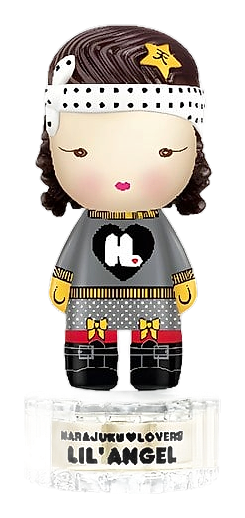
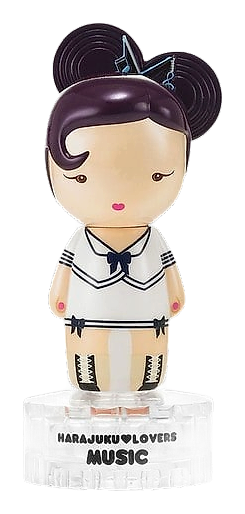
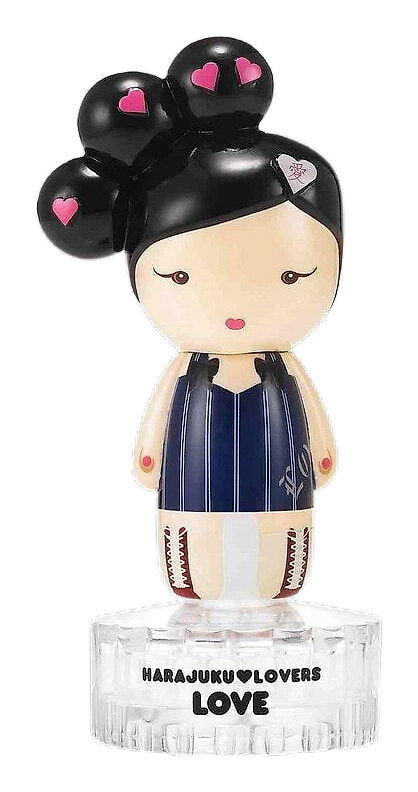
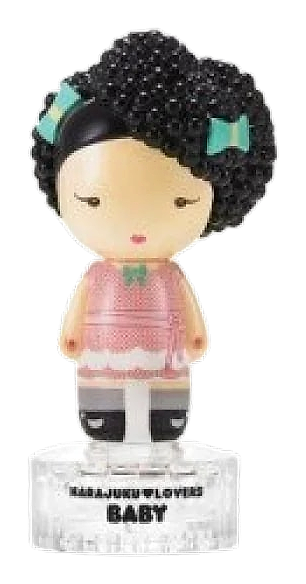
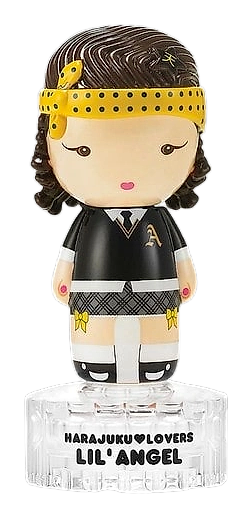
Christophe Raynaud built Lil' Angel in 2008 as part of a five-fragrance collection for Harajuku Lovers, Gwen Stefani's Coty partnership that translated Japanese street fashion into scent. Each fragrance in the line represented one of the Harajuku Girls, Stefani's back-up dancers, and Lil' Angel was the one who cared for others but wasn't a saint, according to the brand's fictional mythology. Raynaud worked with Givaudan's lab to create a fruity floral that would appeal to the younger end of Stefani's fanbase, someone who wore fashion like costume and fragrance like signature. The brief wasn't subtle: sweet, playful, and wearable. Raynaud delivered exactly that, pairing tart cranberry with bright pineapple and anchoring the whole thing with hinoki wood, a Japanese material that added just enough gravity to keep the sweetness from floating away entirely.
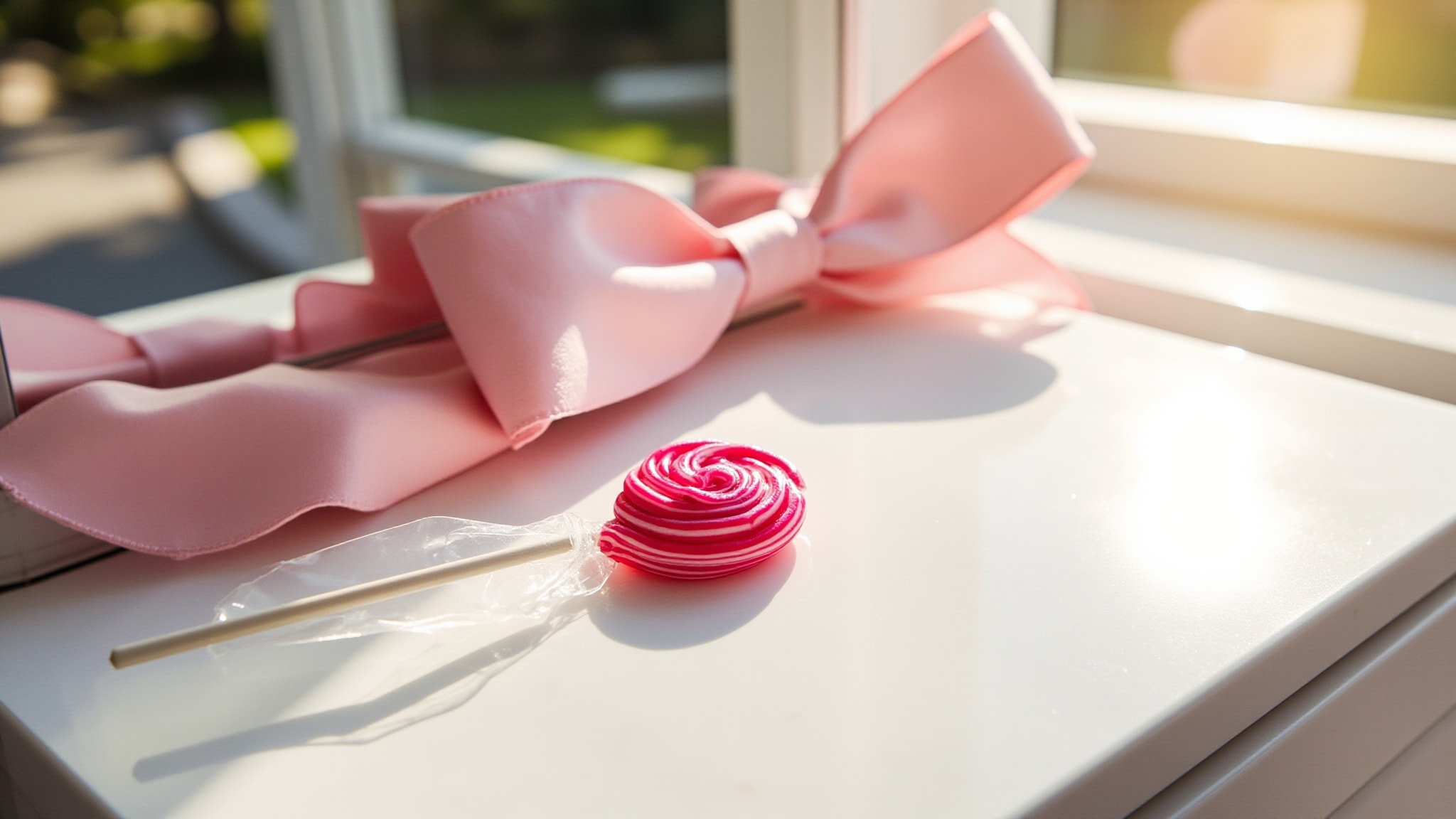
What makes Lil' Angel interesting isn't the top notes, fruity compositions with berry and tropical accents are everywhere. The structure earns attention in how it refuses to fully commit to its own sweetness. The violet and rose heart doesn't read as floral in the traditional sense; it reads as candied floral, sugared rose, which means the florals are doing the same work as the fruit rather than offering contrast. Then the base introduces lollipop, a literal gourmand note, alongside hinoki wood, which smells like cedar but cleaner, more austere. That pairing is what keeps Lil' Angel from being a simple candy fragrance. The wood doesn't fight the sweetness; it contextualizes it, gives it somewhere to sit.
The evolution
The opening announces itself immediately, pineapple and cranberry hit hard, raspberry follows within seconds, and for the first ten minutes you've got a tart, juicy burst that projects well. Blackcurrant adds a slight darkness to the brightness, keeps the fruit from reading as simple. Around the fifteen-minute mark, the florals begin to assert themselves. The rose doesn't overpower, it sweetens, becomes more sugared than fresh. The violet arrives quietly, adding a powdery softness that shifts the composition toward something more rounded. By the thirty-minute mark, the top notes are thinning and the base is establishing itself. The lollipop note is most pronounced here, sweet, almost edible, the kind of smell that makes you want to lean closer. The hinoki wood appears gradually, not as a contrast but as a frame. It doesn't cool the sweetness; it contains it. The amber anchors everything, adds weight, and by the second hour you've settled into a warm, close scent that stays within arm's length.
Cultural impact
Lil' Angel occupies a specific niche in fragrance history: the late-2000s celebrity-fruity crossover era, when mainstream perfumery was still learning how to balance sweetness with structure. The Harajuku Lovers line was positioned as pop-culture fandom as self-expression, fragrance as wearable identity for those who collected joy, not status. Lil' Angel's reputation is mixed: those who love it describe it as a perfect representation of youthful sweetness, while critics point to the longevity as a weakness. The fragrance has maintained a small but dedicated following, particularly among those who remember it from its initial release and seek it out on resale platforms for nostalgic wear.