
The Story
Why it exists.
The beginning
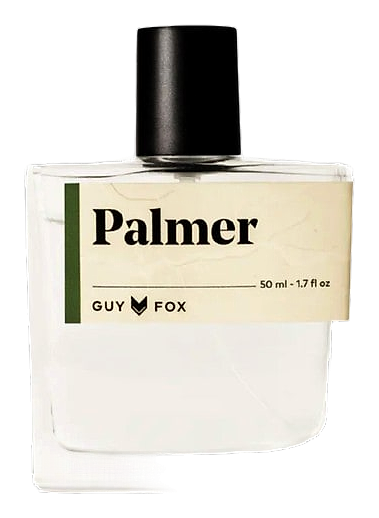
Perfumer Doug Falcone designed Palmer around a single sensory memory: the moment you crest a ridge and the world opens up. High-altitude air, the stillness before sun hits the valley, pine and cypress standing in for the forest you came up through. The ozonic top notes aren't just 'fresh', they're that specific thinness you only find above the tree line, where the air itself feels like a note. It's the smell of getting up before the trail gets crowded, before the world below wakes up. Falcone layered smoked fir and labdanum into the heart to give the composition weight beneath the brightness, not a winter scent, not a summer one. A mountain, regardless of season.
The ozonic-cardamom opening is the tell. It's where most fresh fragrances commit to either citrus or 'aquatic', Palmer does both through the ozonic layer, which reads less like 'sea breeze' and more like altitude itself. The conifer heart doesn't arrive all at once. Balsam fir and silver pine build gradually as the bergamot recedes, so the forest character deepens rather than announces. The labdanum and smoke in the mid section are doing real work: they prevent the composition from flattening into generic fresh, giving it a slow-burn complexity that rewards sitting with the fragrance rather than sniffing aggressively at the bottle.
The evolution
The opening announces itself quietly. Bergamot brightens the ozonic air for the first ten minutes, then steps back. Cardamom lingers a beat longer, lending a warm spice that keeps the altitude from reading as cold. Then the conifer heart takes over gradually, balsam fir and cypress assert themselves around the 15-minute mark, backed by that thread of smoke from the labdanum accord. The transition isn't a sharp handoff. It's more like the trail dipping below the ridgeline: you're still in the forest, but the view changed. The drydown belongs to the base woods. Palo Santo and guaiac wood settle into the skin over the next few hours, warm and resinous, with sandalwood and patchouli giving the finish real depth. On fabric, Palmer lasts into the next morning, not loud, but present. A faint warmth where you wore it, like a fire already out.
Cultural impact
Palmer enters a landscape where 'fresh' has become a category so broad it's nearly meaningless. Guy Fox's answer is specificity: a mountain hike at sunrise, not 'a fresh scent.' The fragrance sidesteps the typical fresh-woody playbook by threading smoke and labdanum into a conifer heart, creating a composition that earns the word 'forest' rather than gesturing toward it. Early reception aligns with the brand's own positioning, this is for someone who wants real outdoors character without the performance of outdoorsiness, and who prefers their fragrance to smell like a place rather than a product claim.