The Story
Why it exists.
The beginning
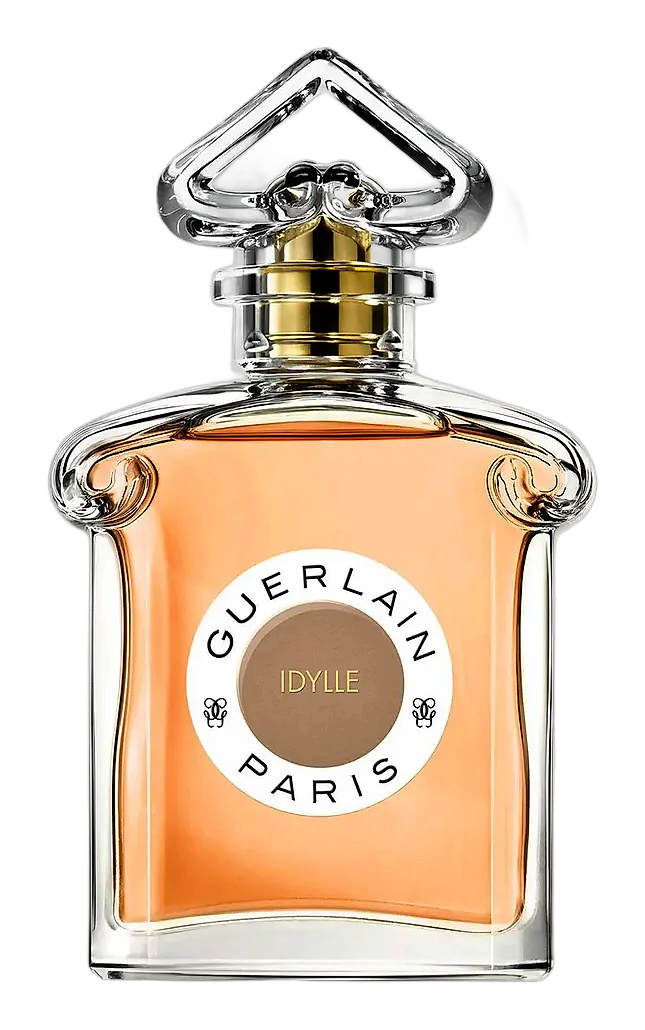
Guerlain's Terracotta Powder has been bronzing Parisian skin since the 1980s, a household name in the world of sun-kissed glow. In 2024, house perfumer Thierry Wasser took on the challenge of translating that signature warmth into a fragrance. Not a literal translation. An interpretation. The powder captures sunlight on skin; this captures the feeling that sunlight creates, the warmth, the escape, the golden hour that never quite ends.
What makes this composition work is its restraint. Four white florals could easily overwhelm, Guerlain knows this. The trick is the bergamot opening keeping everything aloft, the coconut bridging cool citrus to warm petals, and a base that doesn't compete with the heart. It smells expensive because every transition is intentional. The frangipani-ylang-ylang accord is the engine room: lush, tropical, but never heady. This is white floral composition at Guerlain's level of craft.
The evolution
The opening is bergamot and coconut, and it's the bergamot that arrives first, sharp, bright, addictive. It cuts through the cream before you even register the coconut. Within minutes, the florals take their position. Frangipani announces itself first, then ylang-ylang fills the space beneath it. Jasmine and orange blossom arrive as guests, not stars, adding depth without pushing. Three hours in, the florals begin their slow exit. Vanilla emerges, soft and warm, followed by musk that turns the whole composition skin-close. The drydown is intimate. It doesn't announce itself, you have to lean in. On fabric, the coconut and vanilla linger into the next morning, a quiet reminder of the escape.
Cultural impact
Terracotta EDT enters a crowded resort fragrance space, but Guerlain brings something many niche escape scents lack: a 190-year-old point of view. The brand's positioning as Parisian refinement means this beach fragrance doesn't try too hard. It doesn't need to. The Terracotta line's existing devoted following, built on the powder's cult status, provides an immediate audience. This is the fragrance for the Guerlain client who wanted to smell like their bronzer but craved something more sophisticated.
The House
GuerlainGuerlain stands as one of the oldest and most revered perfume houses in the world, founded in Paris in 1828 by Pierre-François-Pascal Guerlain. What began as a boutique on rue de Rivoli quickly became the preferred destination for Parisian society, attracting dandies and elegant women who sought custom-crafted fragrances. The house's influence grew to such heights that Guerlain earned the title of Official Perfumer to Napoleon III after presenting Eau de Cologne Impériale to Empress Eugénie as a wedding gift in 1853. This royal patronage marked the beginning of Guerlain's enduring association with European aristocracy, as the house went on to create fragrances for Queen Victoria and Queen Isabella II of Spain. Today, under the creative direction of Thierry Wasser, the fifth-generation perfumer, Guerlain continues to shape the landscape of fine fragrance with a portfolio spanning over 1,100 olfactory creations. The house remains headquartered at its legendary Champs-Élysées mansion, a historic monument that anchors Guerlain's position at the intersection of heritage and contemporary luxury.
The Creator
Thierry WasserWasser gravitates toward green, crispy notes and the bold florals Guerlain is known for. Bulgarian rose appears repeatedly in his work, and he travels annually to oversee the harvest in Kazanlak.