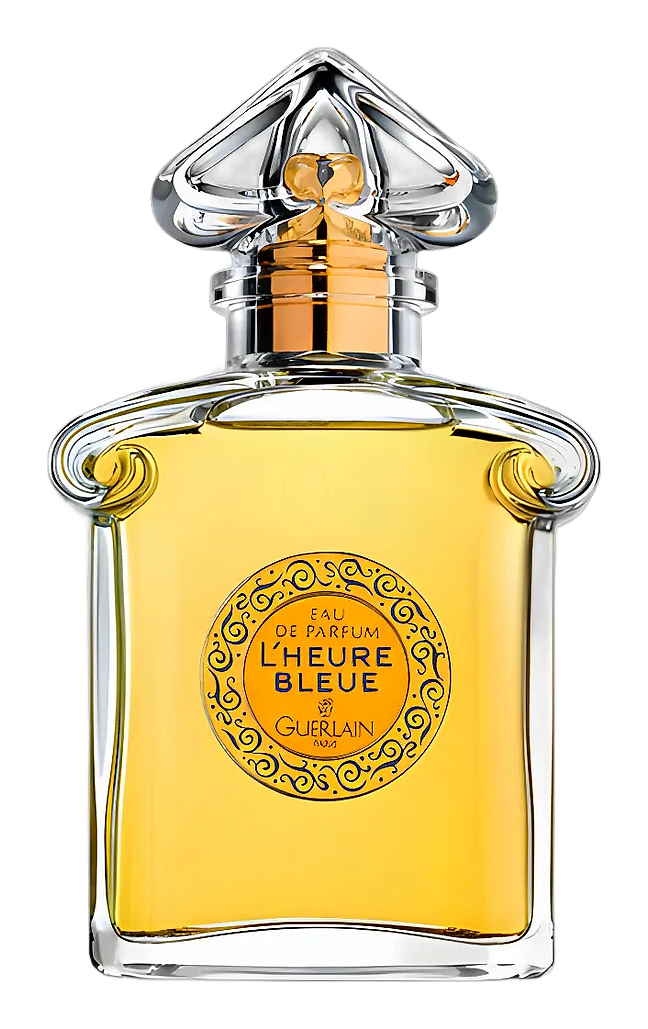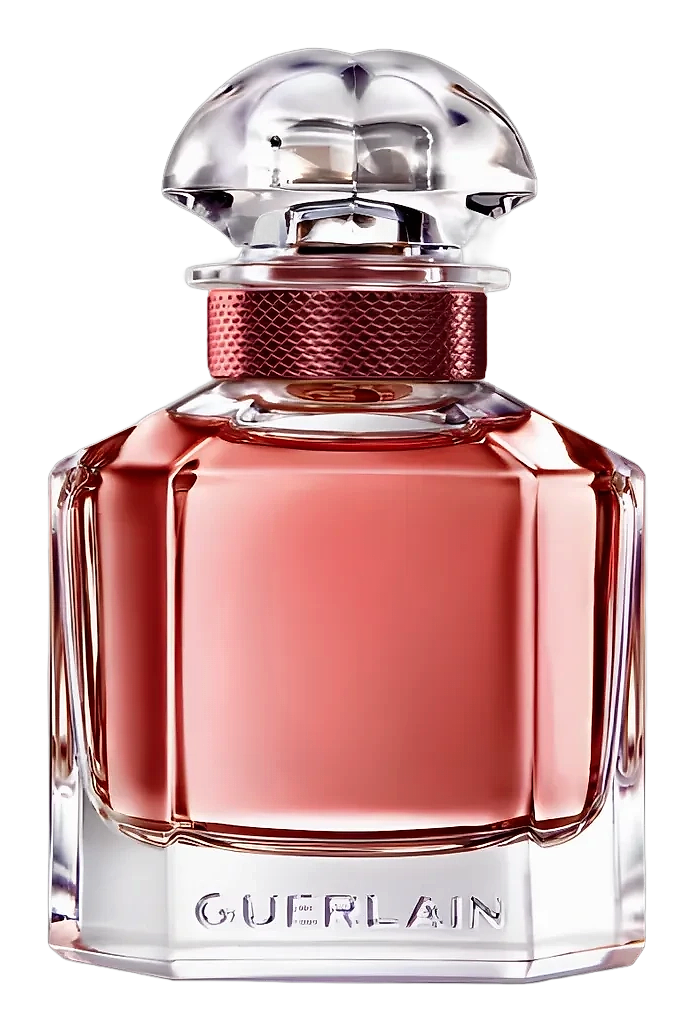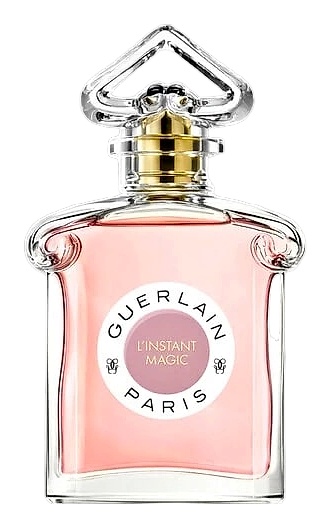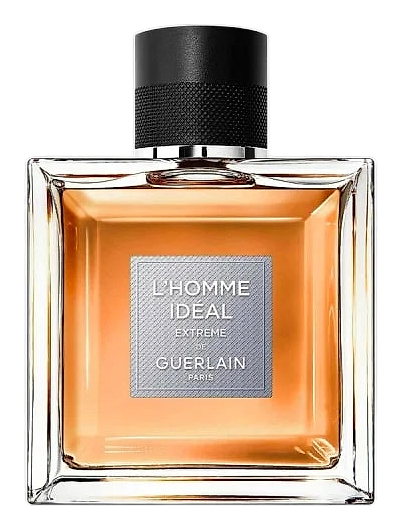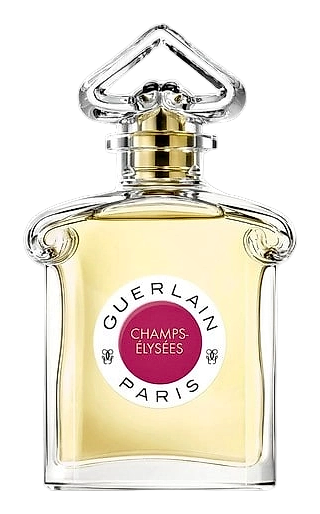
The Story
Why it exists.
The beginning
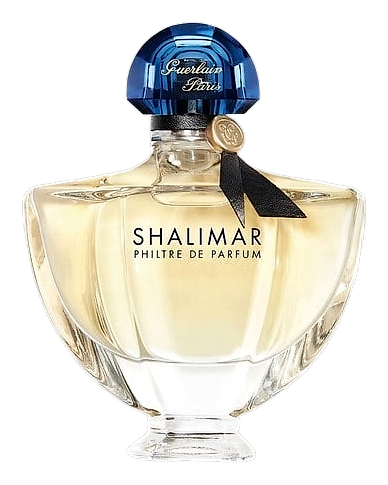
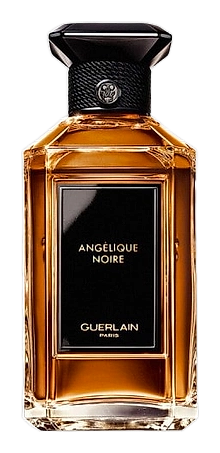
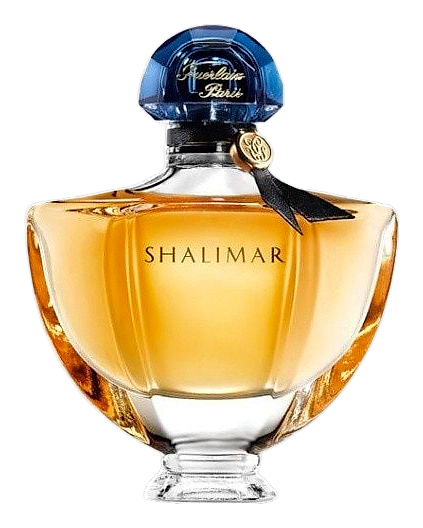
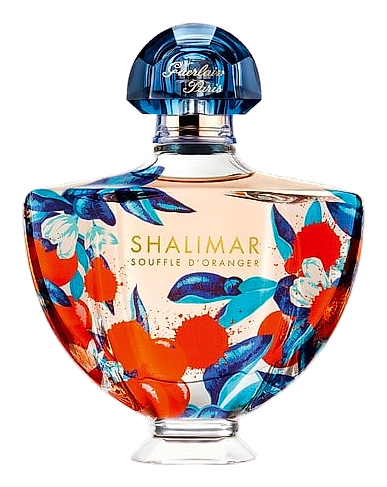
In 2019, Guerlain asked a deceptively simple question: what if the monumental Shalimar learned to soften? The original 1925 composition defined oriental opulence for a century. Souffle d'Oranger took the same raw materials, orange blossom, vanilla, sandalwood, and rebuilt them from the inside out. Not stripped. Reconsidered. Thierry Wasser approached the orange blossom as the star, not the supporting note, building a fragrance that honors its predecessor while refusing to be weighed down by it. The souffle in the name is the point: something light, airy, that dissolves on the tongue.
What makes this composition interesting is the way the orange blossom absolute functions as both floral and orient, it carries the creaminess of jasmine while retaining the slightly bitter, waxy quality of the blossom itself. Paired with Calabrian neroli, which adds a sharper, more aromatic green quality, the floral heart avoids the cloying sweetness that can plague white floral fragrances. The sandalwood here isn't a base filler; it's a creamy wood that bridges the florals and the vanilla, creating continuity rather than a hard transition. The petitgrain in the opening, bitter orange leaf, grounds the citrus in something slightly bitter and herbal, so the top doesn't read as candy-sweet.
The evolution
The opening arrives bright and immediate: bergamot, mandarin, petitgrain. That last one is the tell, it keeps the citrus from reading as just fruity. There's a green undertone that gives the first ten minutes a crispness, like the air before a garden fully warms. Then the florals take over. Neroli and jasmine sambac arrive together, the jasmine adding a deeper creaminess that softens the neroli's sharpness. This is where the fragrance earns its name, the orange blossom reads as souffle-like, voluminous but not heavy. As it moves into the drydown, vanilla and sandalwood arrive quietly. No bang. Just warmth that stays close, intimate, on the skin for 8-10 hours on most. The sillage never becomes loud, this is a fragrance that requires proximity to be appreciated. Perfect for someone who finds Shalimar overwhelming but wants the DNA.
Cultural impact
Souffle d'Oranger occupies a rare position: a modern fragrance from a heritage house that manages to be both accessible and genuinely sophisticated. It has found an audience among wearers who want Guerlain quality without the weight of the house's more monumental compositions. The moderate sillage makes it office-appropriate in a way that the original Shalimar never could be, while the quality of ingredients and composition marks it unmistakably as a Guerlain creation.
The House
GuerlainGuerlain stands as one of the oldest and most revered perfume houses in the world, founded in Paris in 1828 by Pierre-François-Pascal Guerlain. What began as a boutique on rue de Rivoli quickly became the preferred destination for Parisian society, attracting dandies and elegant women who sought custom-crafted fragrances. The house's influence grew to such heights that Guerlain earned the title of Official Perfumer to Napoleon III after presenting Eau de Cologne Impériale to Empress Eugénie as a wedding gift in 1853. This royal patronage marked the beginning of Guerlain's enduring association with European aristocracy, as the house went on to create fragrances for Queen Victoria and Queen Isabella II of Spain. Today, under the creative direction of Thierry Wasser, the fifth-generation perfumer, Guerlain continues to shape the landscape of fine fragrance with a portfolio spanning over 1,100 olfactory creations. The house remains headquartered at its legendary Champs-Élysées mansion, a historic monument that anchors Guerlain's position at the intersection of heritage and contemporary luxury.
The Creator
Thierry WasserWasser gravitates toward green, crispy notes and the bold florals Guerlain is known for. Bulgarian rose appears repeatedly in his work, and he travels annually to oversee the harvest in Kazanlak.