The Story
Why it exists.
The beginning
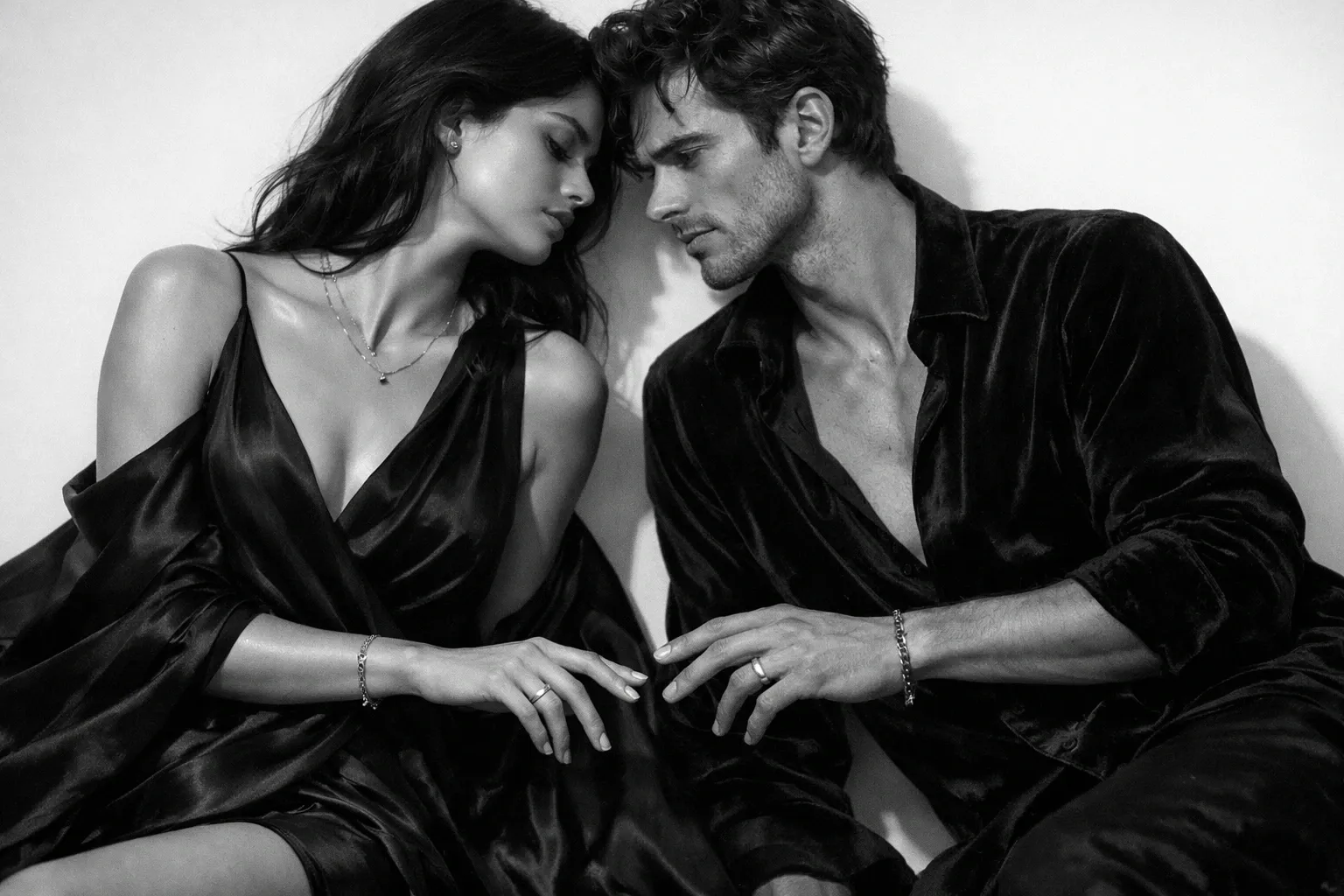
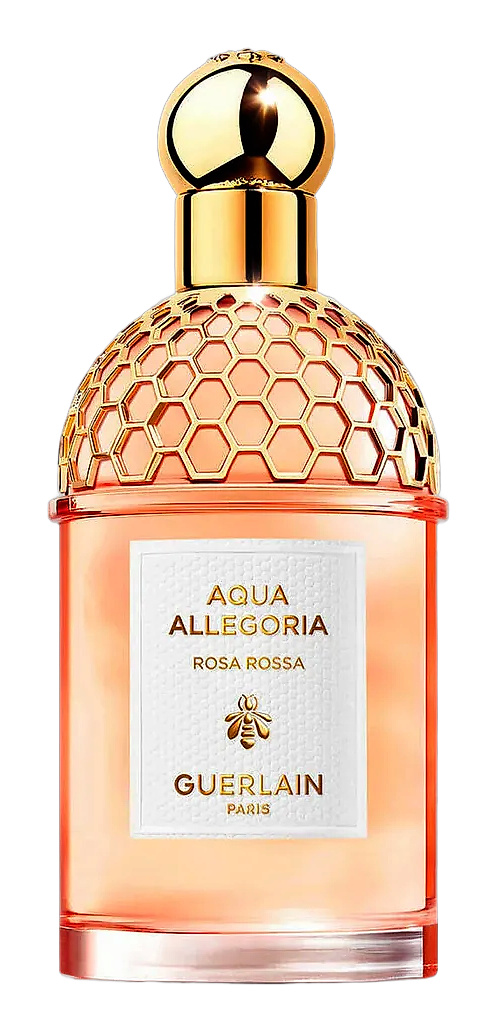
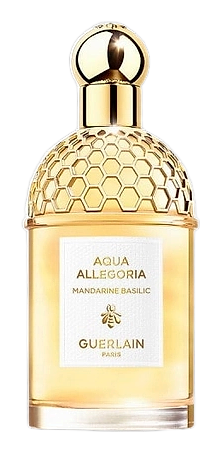
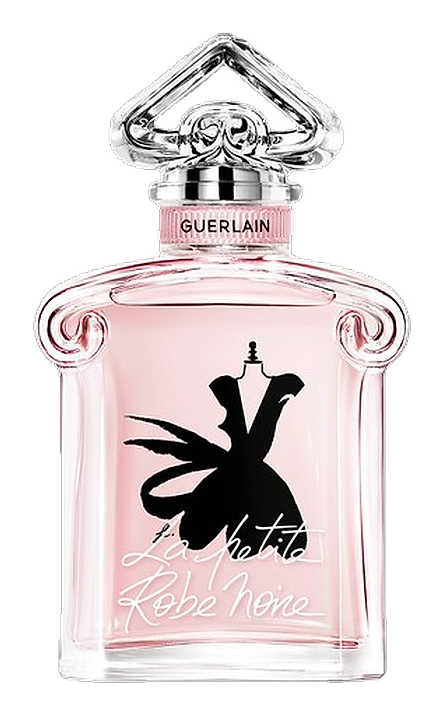
In 2012, Guerlain released the original La Petite Robe Noire, an ode to love and freedom, dressed in black. The 2025 reformulation by Delphine Jelk brought a change of heart. Same spirit, but softer. Easier to reach for on a Tuesday than a Saturday night.
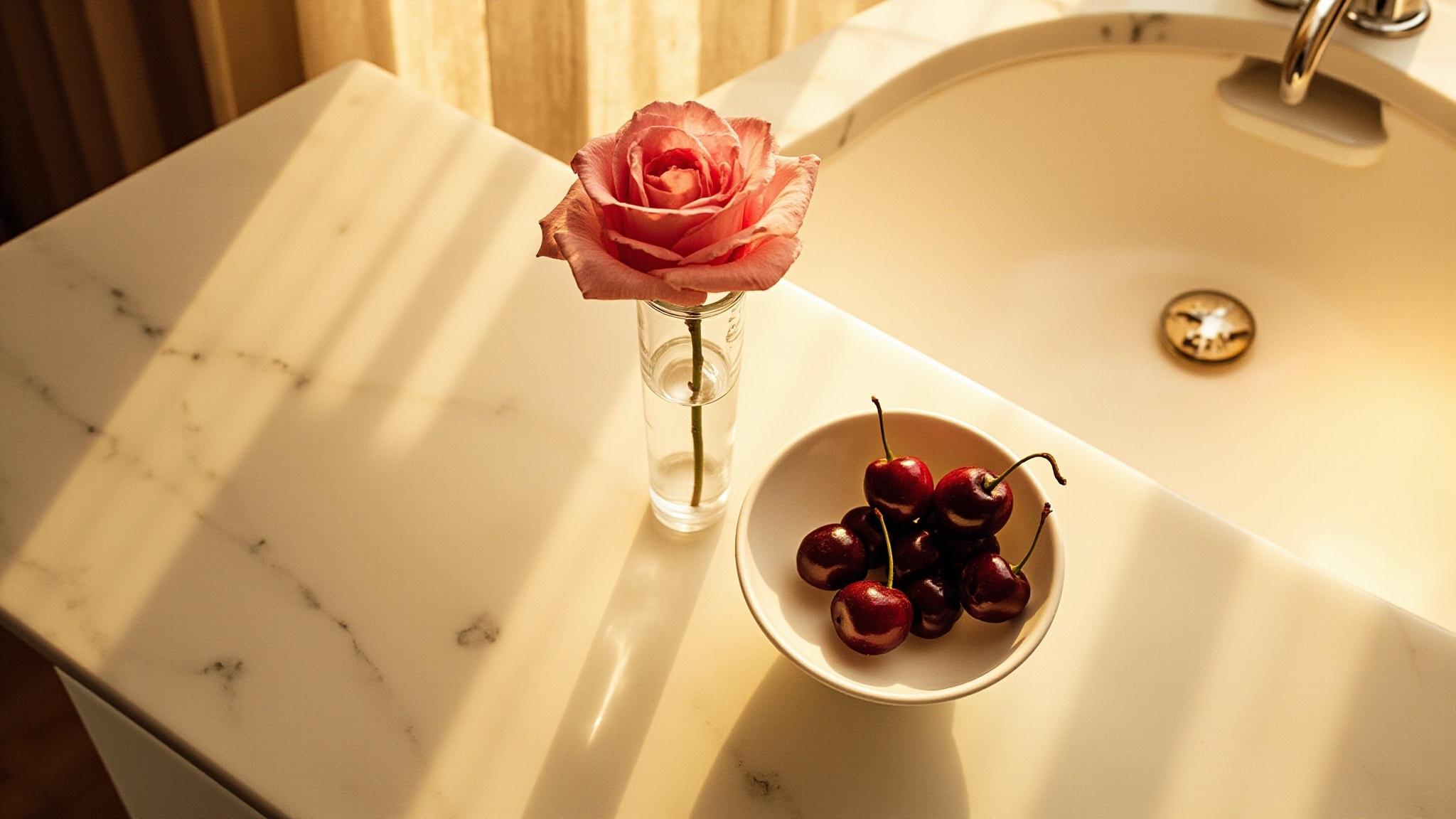
The Centifolia rose from Grasse anchors the heart, not the shy Bulgarian variety, but the full, buttery bloom that has defined Guerlain's rose language for a century. Cherry and apple give it tang and juiciness, the kind of fruit that makes you forget you're wearing something luxurious. White amber and white musks hold the warmth. Jelk's goal wasn't complexity, it was composure.
The evolution
Bergamot and lemon arrive together and stay crisp for about 15 minutes. Then the rose swells, cherry arrives quietly underneath, and for the next two hours you're wearing something that smells like a garden in late afternoon. The drydown is the tell: white amber doesn't project, it wraps. Musks settle close. You smell like you, but rounder. The whole arc runs 8-10 hours on most skin. On clothing, longer. Much longer.
Cultural impact
La Petite Robe Noire (2025) arrives at a moment when consumers demand transparency from luxury houses. Guerlain's commitment to 90% natural-origin ingredients and an organic Centifolia rose from Grasse positions this EDT as both a heritage piece and a response to the clean beauty movement. The original 2012 La Petite Robe Noire disrupted the perfume landscape by reframing the little black dress as olfactory shorthand for modern femininity. This 2025 edition continues that conversation with added environmental consciousness, making sustainable luxury feel less like a trend and more like the new baseline.
The House
GuerlainGuerlain stands as one of the oldest and most revered perfume houses in the world, founded in Paris in 1828 by Pierre-François-Pascal Guerlain. What began as a boutique on rue de Rivoli quickly became the preferred destination for Parisian society, attracting dandies and elegant women who sought custom-crafted fragrances. The house's influence grew to such heights that Guerlain earned the title of Official Perfumer to Napoleon III after presenting Eau de Cologne Impériale to Empress Eugénie as a wedding gift in 1853. This royal patronage marked the beginning of Guerlain's enduring association with European aristocracy, as the house went on to create fragrances for Queen Victoria and Queen Isabella II of Spain. Today, under the creative direction of Thierry Wasser, the fifth-generation perfumer, Guerlain continues to shape the landscape of fine fragrance with a portfolio spanning over 1,100 olfactory creations. The house remains headquartered at its legendary Champs-Élysées mansion, a historic monument that anchors Guerlain's position at the intersection of heritage and contemporary luxury.
The Creator
Delphine JelkJelk builds compositions around contrast and tension—warm, round, and inviting, yet never soft. Her signature leans heavily on iris, musks, and powdery facets that give her work a distinctive texture, like cashmere caught in amber.