The Story
Why it exists.
The beginning
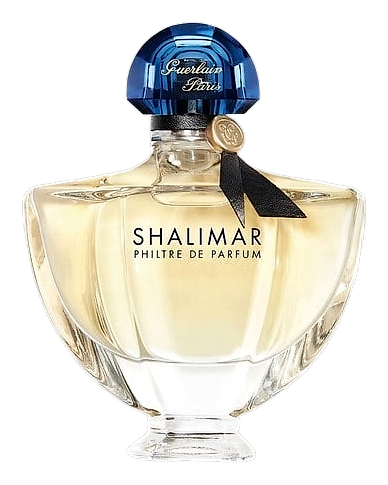
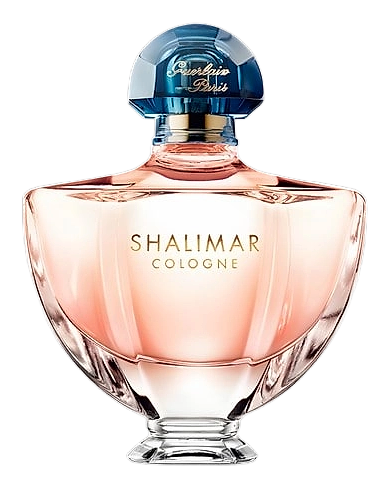
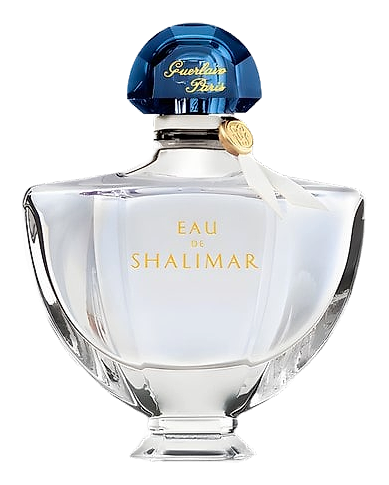
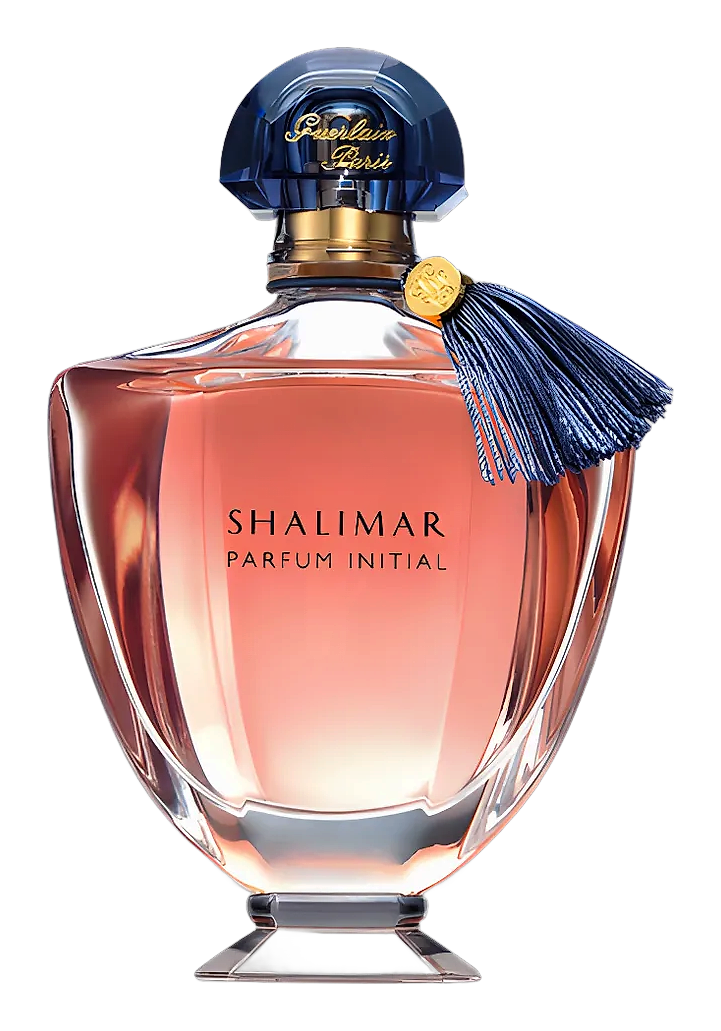
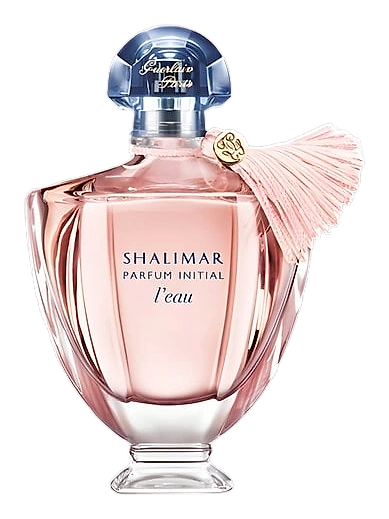
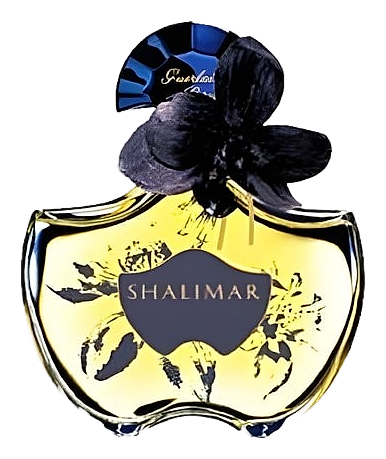
The story of Eau de Shalimar begins with Guerlain's continued exploration of Shalimar's enduring appeal. In 2009, the house returned to that same well of inspiration. Rather than simply recreating the original, they lightened it. The idea was simple: take the vanilla, the amber, the timeless oriental warmth of Shalimar, and give it a daytime presence. Two flankers emerged that spring, one dark, one light, each limited to 75 ml, each holding the same DNA as the original while wearing it differently on the skin. Eau de Shalimar became the light flacon. The daytime counterpart. A fragrance for hours that didn't require evening to justify wearing it.
What makes this composition interesting is the vanilla question. In so many Guerlain fragrances, vanilla is the dominant note, warm, unapologetic, the main event. Here, it behaves differently. The vanilla stays powdery, almost shy, never pushing into the composition but instead supporting it from below. The real structural interest lies in the citrus top: lime and bergamot create a tart, almost crystalline opening that feels nothing like the warm oriental base. That contrast, bright citrus over powdery vanilla, is the engine of the fragrance.
The evolution
The opening arrives fast. Bright lime, a squeeze of bergamot, the clean tang of citrus, it hits before you've had time to think. This is a morning fragrance. It smells like clean skin, almost soapy, before the florals begin their slow entry. By the hour mark, jasmine rises, followed by rose, not loud, not dramatic, just quietly there, adding elegance without sweetness. The citrus hasn't disappeared; it's softened, become something more rounded. The powdery quality becomes apparent as the top notes recede, the vanilla creating that soft, warm foundation that rounds the edges of everything above it. The vanilla and amber settle close to the skin, warm without being heavy, present without projecting. The drydown reveals itself slowly, to anyone who leans in close enough to notice.
Cultural impact
Eau de Shalimar arrived in 2009 as part of a two-flanker release, light and dark, day and evening, that gave Guerlain's devoted following a new way to wear Shalimar's DNA. The house approached this limited edition with a clear vision: 75 ml, a single year, no reissues. These flankers offered a lighter interpretation of Shalimar's warmth and vanilla, making the signature accessible to those who found the EDP overwhelming. The choice of a smaller, single-year release created collector appeal, positioning this as a distinct chapter in Guerlain's ongoing exploration of its most iconic fragrance.
The House
GuerlainGuerlain stands as one of the oldest and most revered perfume houses in the world, founded in Paris in 1828 by Pierre-François-Pascal Guerlain. What began as a boutique on rue de Rivoli quickly became the preferred destination for Parisian society, attracting dandies and elegant women who sought custom-crafted fragrances. The house's influence grew to such heights that Guerlain earned the title of Official Perfumer to Napoleon III after presenting Eau de Cologne Impériale to Empress Eugénie as a wedding gift in 1853. This royal patronage marked the beginning of Guerlain's enduring association with European aristocracy, as the house went on to create fragrances for Queen Victoria and Queen Isabella II of Spain. Today, under the creative direction of Thierry Wasser, the fifth-generation perfumer, Guerlain continues to shape the landscape of fine fragrance with a portfolio spanning over 1,100 olfactory creations. The house remains headquartered at its legendary Champs-Élysées mansion, a historic monument that anchors Guerlain's position at the intersection of heritage and contemporary luxury.
The Creator
Jean-Paul GuerlainJean-Paul Guerlain's style resists easy categorization, though richness and depth define nearly every composition. He favored opulent oriental structures, warm woods and resins, and florals treated with almost sculptural precision.