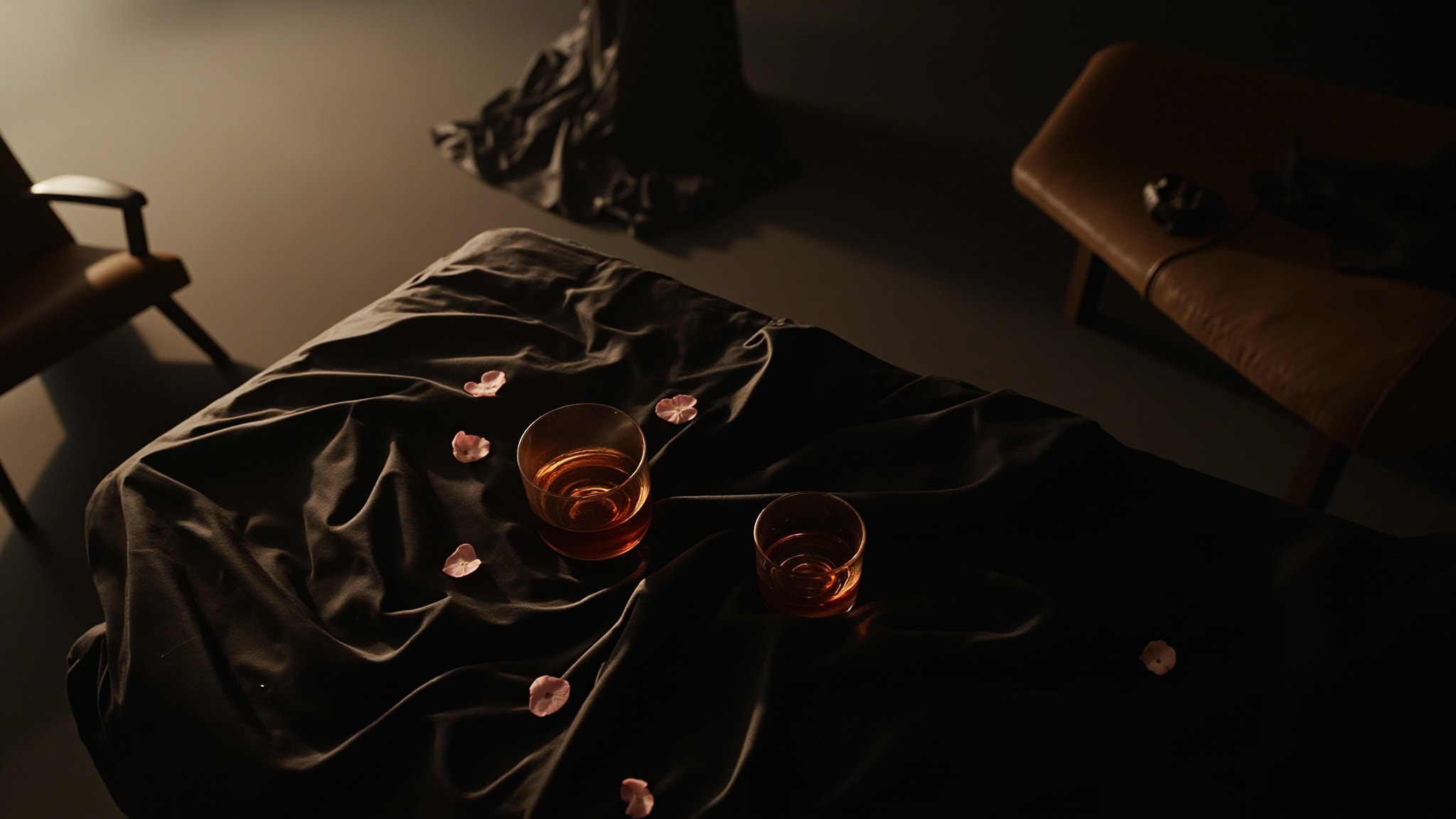
The Story
Why it exists.
The beginning
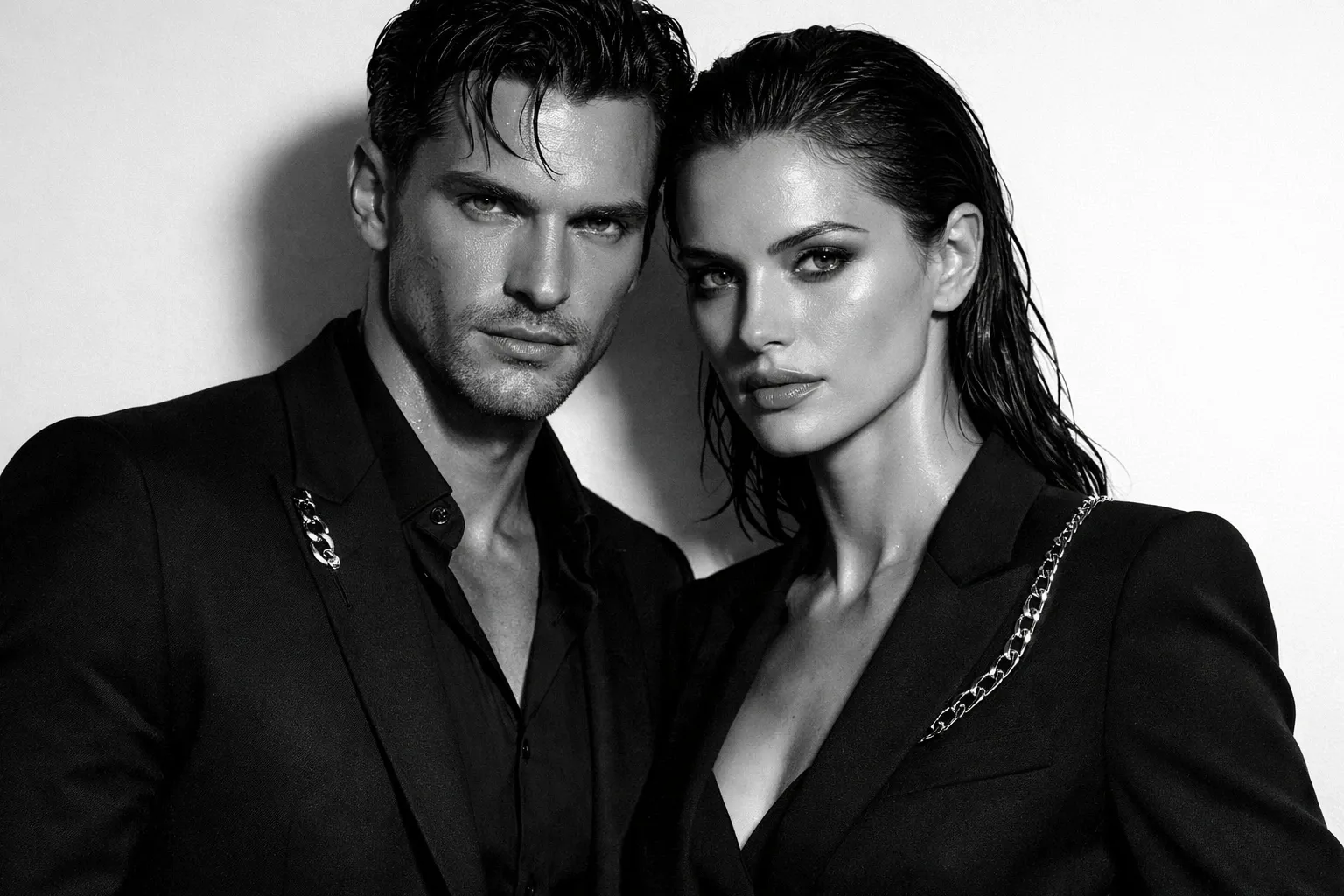
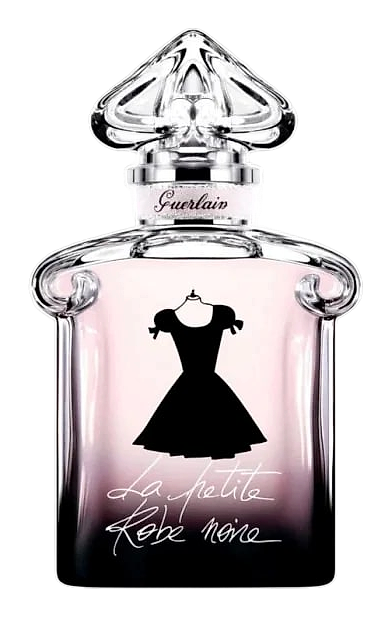
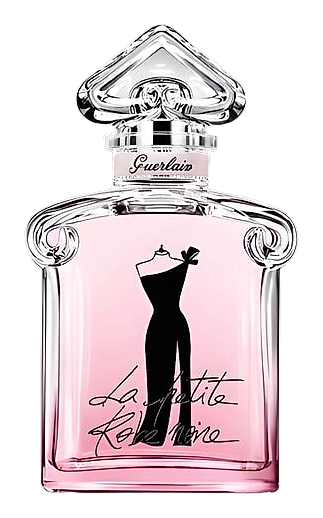
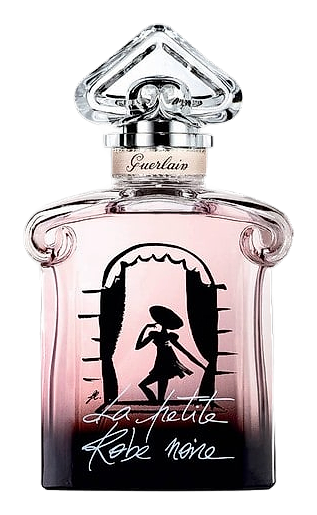
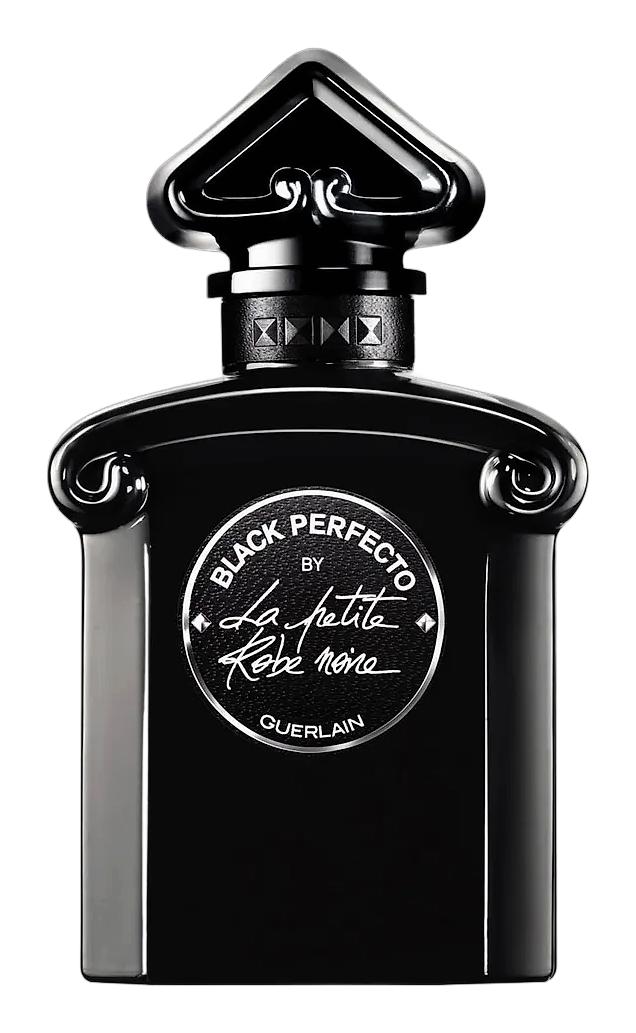
Guerlain has held court in Paris since 1828. Nearly two centuries of olfactory craft mean every fragrance carries the weight of the Guerlinade, the house's signature accord. Black Perfecto takes that heritage and pushes into territory that feels different from the classic floral DNA. Thierry Wasser wanted to explore what happens when the house's elegant signature gets pushed into darker territory, borrowing the little black dress for someone whose style does not belong in a museum.
The note structure reflects a deliberate tension between elegance and edge. Rose water provides the connection to Guerlain's floral heritage, while almond, patchouli, tonka bean, and black leather push into unexpected territory. The drydown creates a deliberate contrast with the opening, grounding the fragrance in something darker and more grounded. The result is a scent that feels familiar yet surprising, honoring the house while clearly operating in different territory.
The evolution
The opening with rose water immediately signals something unexpected. Rather than the classic Guerlain rose, this version feels cool and aqueous. The heart introduces almond's marzipan-like sweetness alongside rose, creating a softer, more intimate character that contrasts with the opening's brightness. The drydown anchors everything with patchouli's earthy depth, tonka bean's warm sweetness, and black leather's dark, tactile quality. This progression moves from bright florals through warm sweetness into a rich, grounding base that feels both sophisticated and bold.
Cultural impact
Black Perfecto occupies a specific space in the Guerlain lineup, a point where the house's classical traditions meet something more contemporary. The leather-cherry combination puts it in conversation with what was happening in perfumery during its era, and the Guerlain approach to composition keeps it from feeling like a simple genre exercise. What distinguishes it is the licorice in the heart, an unexpected note that elevates it beyond simple leather-fruit territory. The anisette quality of the licorice adds a complexity that takes the fragrance somewhere more interesting than its opening notes might suggest.
The House
GuerlainGuerlain stands as one of the oldest and most revered perfume houses in the world, founded in Paris in 1828 by Pierre-François-Pascal Guerlain. What began as a boutique on rue de Rivoli quickly became the preferred destination for Parisian society, attracting dandies and elegant women who sought custom-crafted fragrances. The house's influence grew to such heights that Guerlain earned the title of Official Perfumer to Napoleon III after presenting Eau de Cologne Impériale to Empress Eugénie as a wedding gift in 1853. This royal patronage marked the beginning of Guerlain's enduring association with European aristocracy, as the house went on to create fragrances for Queen Victoria and Queen Isabella II of Spain. Today, under the creative direction of Thierry Wasser, the fifth-generation perfumer, Guerlain continues to shape the landscape of fine fragrance with a portfolio spanning over 1,100 olfactory creations. The house remains headquartered at its legendary Champs-Élysées mansion, a historic monument that anchors Guerlain's position at the intersection of heritage and contemporary luxury.
The Creator
Thierry WasserWasser gravitates toward green, crispy notes and the bold florals Guerlain is known for. Bulgarian rose appears repeatedly in his work, and he travels annually to oversee the harvest in Kazanlak.