The Story
Why it exists.
The beginning
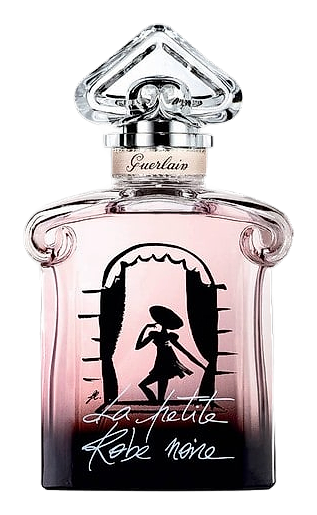
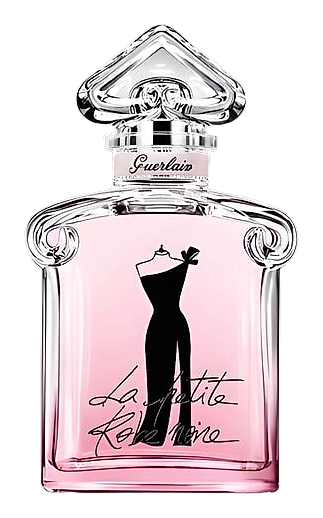
The Little Black Dress has been Guerlain's feminine icon since 2011, a concept, not just a perfume. Each flanker reimagines what the LBD means in a different context. The 2014 Couture edition arrived as the most chypre interpretation yet, conceived specifically for the red carpet, moments when a woman wants to be remembered, not just recognized. Thierry Wasser built it around the idea that glamour isn't soft. It's structural. The raspberry note anchors the opening, bright and glossy, before the rose heart asserts itself over a base that refuses to be merely pretty.
The chypre structure is the thing. Patchouli and moss have been part of Guerlain's DNA since the house's founding, they're the skeleton underneath the silk. Here, Wasser's move was to let the patchouli breathe alongside tonka bean's sweetness instead of burying it. Vetiver adds a green-earthiness that keeps the drydown from going full gourmand. It's the difference between perfume as decoration and perfume as architecture. The rose doesn't float above the composition, it's load-bearing.
The evolution
It opens like a conversation starter. Raspberry hits first, crisp and immediate, followed by bergamot that adds a slight citrus edge without sharpening the fruit. Within twenty minutes the rose pushes through, not a whisper, not a soliflore, but a rose with opinions. The raspberry doesn't disappear. It becomes the sweetness that makes the rose seem almost dangerous. The drydown takes its time, arriving around the two-hour mark as patchouli and moss assert themselves, grounding the sweetness in something darker, earthier. Tonka bean lingers longest, warm, powdery-sweet, but never cloying. Vetiver keeps it honest. On fabric, the raspberry note can last into the next day.
Cultural impact
The Couture edition exists in the gap between wardrobe staple and red carpet moment. Wearers describe it as the fragrance version of a woman who doesn't need to introduce herself when she enters. The 2014 launch positioned it as a more serious, more chypre alternative to the original, for those who found the first LBD too sweet and wanted something with more structural intent.
The House
GuerlainGuerlain stands as one of the oldest and most revered perfume houses in the world, founded in Paris in 1828 by Pierre-François-Pascal Guerlain. What began as a boutique on rue de Rivoli quickly became the preferred destination for Parisian society, attracting dandies and elegant women who sought custom-crafted fragrances. The house's influence grew to such heights that Guerlain earned the title of Official Perfumer to Napoleon III after presenting Eau de Cologne Impériale to Empress Eugénie as a wedding gift in 1853. This royal patronage marked the beginning of Guerlain's enduring association with European aristocracy, as the house went on to create fragrances for Queen Victoria and Queen Isabella II of Spain. Today, under the creative direction of Thierry Wasser, the fifth-generation perfumer, Guerlain continues to shape the landscape of fine fragrance with a portfolio spanning over 1,100 olfactory creations. The house remains headquartered at its legendary Champs-Élysées mansion, a historic monument that anchors Guerlain's position at the intersection of heritage and contemporary luxury.
The Creator
Thierry WasserWasser gravitates toward green, crispy notes and the bold florals Guerlain is known for. Bulgarian rose appears repeatedly in his work, and he travels annually to oversee the harvest in Kazanlak.