
The Story
Why it exists.
The beginning
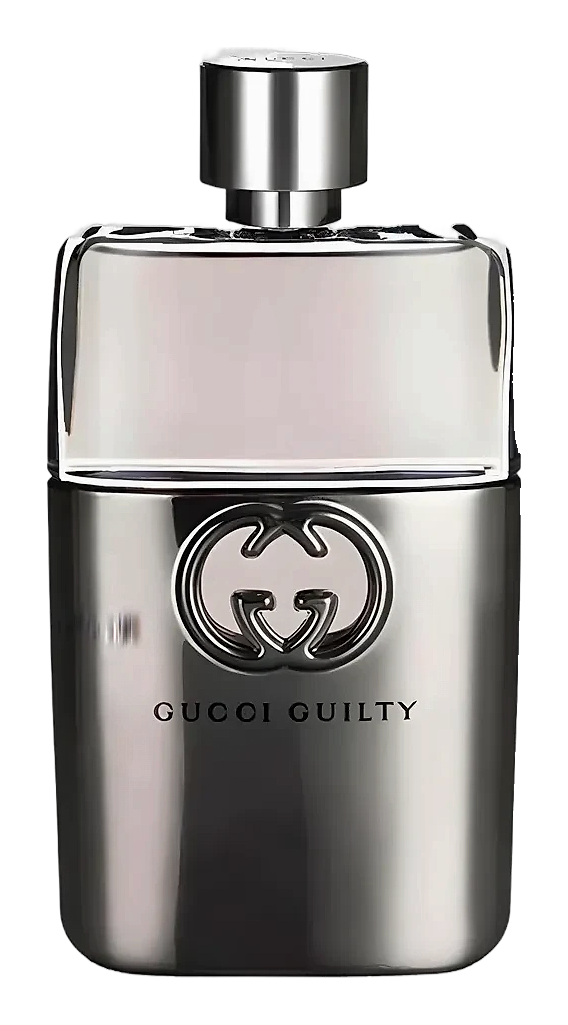
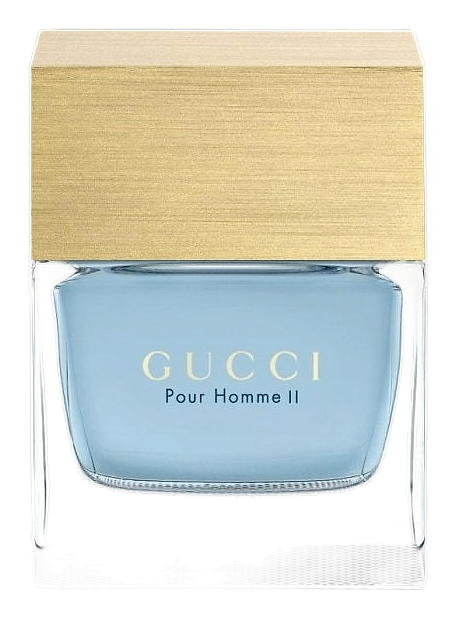
Gucci Pour Homme II arrived in 2007 as a second take on the House's masculine line, composed by Karine Dubreuil-Sereni. The brief leaned into a particular kind of masculine warmth: aromatic enough to be noticed, grounded enough to wear past midnight. Dubreuil-Sereni built the composition around a tension between fresh green aromatics and dense, spiced warmth, letting violet leaf and bergamot handle the entrance while black tea and tobacco anchor the base. The fragrance is quieter in personality, more measured in delivery than many of its contemporaries in the woody spicy category. The violet leaf at the top doesn't linger for long, but it sets up everything that follows. Bergamot adds a clean citrus lift that quickly yields to the spiced heart, where cinnamon and pimento bring the heat.
The interesting move here is black tea. Most masculine fragrances in the woody spicy category reach for leather or oud for warmth. This one reaches for a brewed leaf. Tea brings a tannic, slightly bitter dryness that gives the cinnamon and pimento somewhere to bite. Without it, the spice accord would lean generic. With it, the whole composition tastes like something. Olive wood in the base is the other unusual choice. It's woody but with a green, almost savory edge, giving the base a distinctive texture.
The evolution
The first thirty minutes are the coldest part. Violet leaf and bergamot lead with a sharp, green-edged freshness that almost reads like crushed stems. It's brief and purposeful, clearing the throat before the heavier material arrives. From the thirty-minute mark through the long middle phase, the spices and tea take over. Cinnamon warms the composition gradually, not all at once, while black tea threads through with a tannic dryness that keeps the sweetness in check. This is where the fragrance lives. The sillage is moderate, maybe an arm's length at peak, and it stays consistent rather than expanding or contracting dramatically. As the hours pass, tobacco and olive wood settle into the base. Myrrh adds a faintly resinous sweetness. The white musk underneath does what white musk does, softening the edges without flattening them.
Cultural impact
Pour Homme II earned a following among fragrance enthusiasts for its distinctive approach to the woody spicy category. The black tea note sets it apart, giving the composition a brewed, tannic quality that few masculine designer scents attempt. Olive wood in the base is another distinguishing choice, lending the drydown a savory, green-tinged character rather than the more familiar sandalwood or cedar backbone. The result is a fragrance that reads as its own thing, not a copy of a familiar template.