The Story
Why it exists.
The beginning
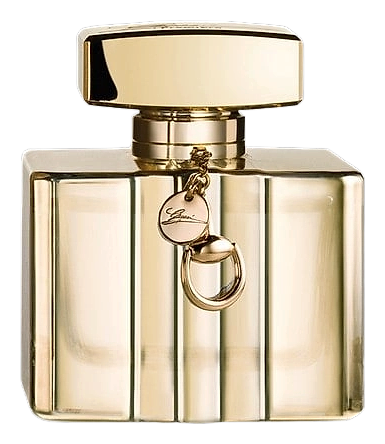
Gucci Premiere arrived in 2012, inspired by the Gucci Premiere couture collection shown at the 2010 Cannes Film Festival. Frida Giannini, then Creative Director, wanted to bottle the feeling of a woman stepping into her own spotlight, not someone who craves attention, but someone who commands it simply by being present. Blake Lively fronted the campaign, embodying that cinematic sophistication. The brief was elegant in its simplicity: take the opulence of a couture gown and translate it into something you could wear on your own terms.
What makes Gucci Premiere work is the tension between its opening and its drydown. The bergamot and blackberry give it an effervescent, almost celebratory quality, like champagne catching the light. But as the fragrance settles, that sparkle softens into something warmer. White flowers and orange blossom create an intimacy that feels less like a statement and more like a secret. It's this contrast between the glamorous opening and the grounded heart that makes the fragrance feel both modern and timeless.
The evolution
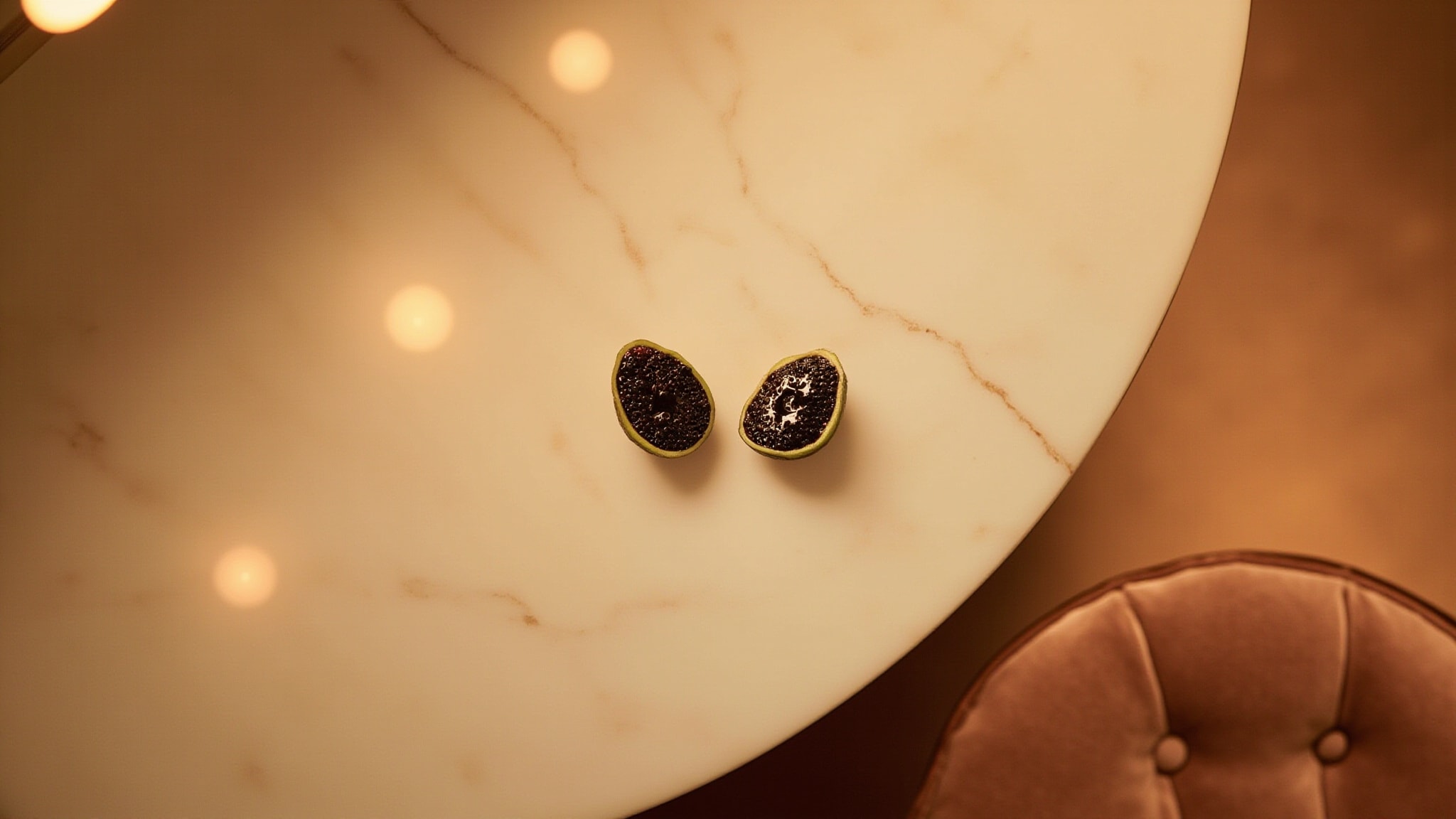
The opening announces itself with a burst of citrus and dark fruit, bergamot and blackberry creating an effervescent sparkle that feels like light on skin. Within twenty minutes, that brightness begins to soften. White flowers emerge, the orange blossom lending a quiet warmth that feels almost candlelit. The musk keeps everything close, intimate, not projecting outward but drawing you in. The drydown is where Gucci Premiere earns its reputation. Sandalwood and patchouli ground the composition, transforming the initial sparkle into something that settles and lingers. Four to six hours on most skin, with a warmth that stays close rather than announcing itself.
Cultural impact
Gucci Premiere occupies a particular space: elegant enough for formal occasions, versatile enough for daily wear. It captures the essence of who the wearer might be, someone who appreciates luxury without ostentation. The fragrance finds its strength in restraint, not a sillage that fills a room, but one that invites rather than demands.