
The Story
Why it exists.
The beginning
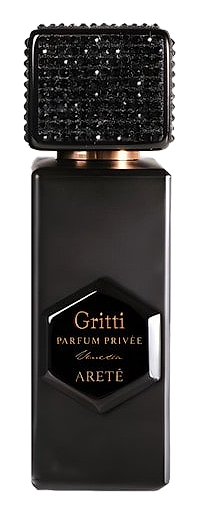
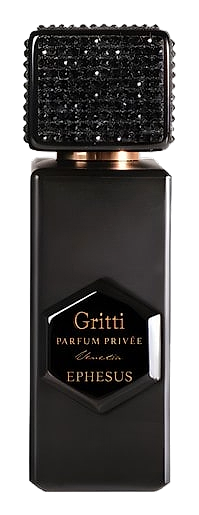
Ephesus was not named by accident. The ancient city, now part of Turkey, once held one of the most extraordinary libraries in the Roman world, the Library of Celsus, its facade carved with scrolls and figures that spoke of accumulated knowledge across centuries. The merchants of Venice stopped there. They absorbed its architecture, its atmosphere, the particular quality of air that accumulates when ideas and goods cross paths for long enough. Luca Gritti drew from that inheritance when composing this fragrance. The brief was simple: build something that smells like accumulated time. Spices that traveled by ship. Woods that grew slowly. A warmth that doesn't rush.
The note structure is unusual in its restraint. Two top notes, cloves and orange, do the work that a whole citrus aldehyde accord might handle elsewhere. The cloves give it an edge that orange immediately sweetens, creating a sweet-spicy opening without the usual bergamot freshness. In the heart, patchouli and amberwood form a narrow bridge: earthy meets lightly resinous, leaning neither masculine nor feminine. The base is where Gritti's intent becomes clear. Eight materials, ambroxan, labdanum, sandalwood, cedarwood, vanilla, ebony tree, cashmeran, musk, layer into something that reads as singular rather than complex. It smells like the air in a room where old books live. Not dusty. Present.
The evolution
The opening lasts roughly twenty minutes: orange and clove, sweet-bright and slightly sharp at once. Then the orange recedes and the cloves deepen, pulling the fragrance toward its heart. Patchouli arrives quietly, not loud or earthy in the way some patchouli-forward fragrances announce it, here it's woven into amberwood, taking on a resinous quality that feels intentional rather than accidental. For the next two to three hours, the composition sits in this warm-woody middle phase. The ambroxan and labdanum begin their work around the fourth hour, adding a marine-mineral quality that lifts the base just slightly without brightening it. By hour six, sandalwood and vanilla anchor everything into something soft and close. On fabric, it lingers into the following day, cedar and ebony tree, barely there, still present.
Cultural impact
Since its 2015 launch, Ephesus has maintained a quiet reputation among collectors who seek narrative depth in niche perfumery. Its discontinuation has only sharpened that appeal. Wearers describe it as the scent of someone who walks into a room and doesn't need to announce themselves, which aligns with the house's broader philosophy of emotional resonance over performance theatre.