The Story
Why it exists.
The beginning
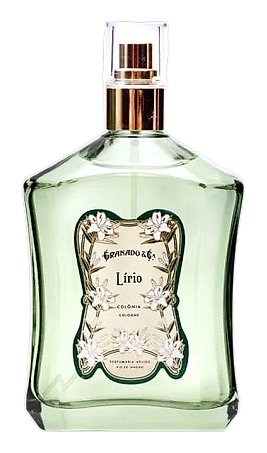
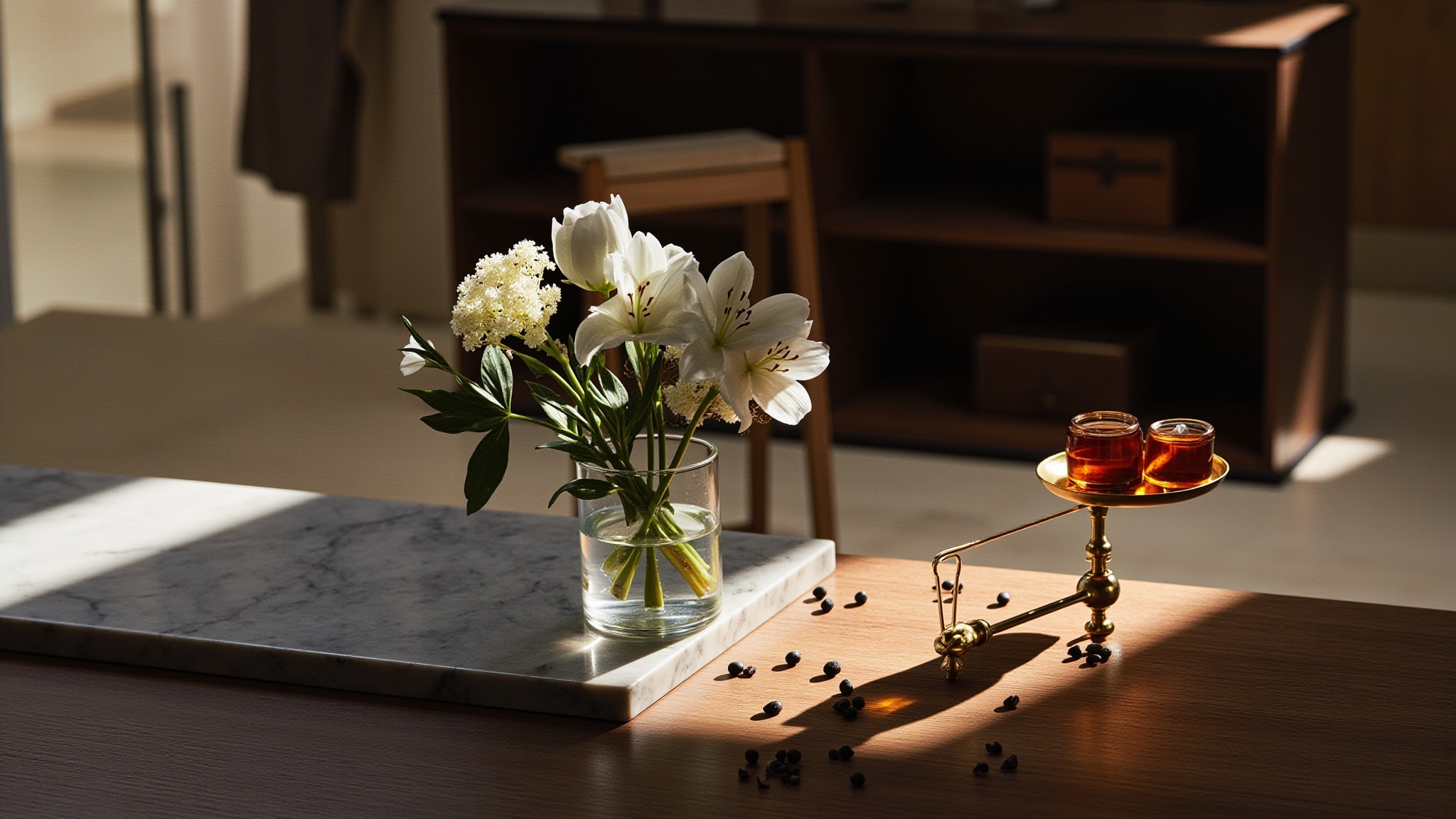
Granado, Brazil's oldest pharmacy-turned-perfume house, has spent 150 years crafting formulas that blend apothecary tradition with modern sensibilities. For Lirio, the house turned to perfumer Leandro Petit, whose task was to interpret classic lily elegance through a Brazilian lens. Rather than reach for tropical clichés, Petit chose to explore lily's inherent spiced floralcy by introducing black pepper at the opening, creating an unexpected bridge between the floral heart and the brighter citrus top notes. This decision reflects Granado's preference for fragrances that feel considered rather than simply commercial.
The note selection for Lirio reflects a specific philosophy: florals need contrast to avoid feeling predictable. Black pepper and peach perform this function at the opening, their spice and fruit framing lily's elegance without overwhelming it. At the base, cedarwood and sandalwood offer woody structure while musk provides intimacy. The pairing rationale centers on balance rather than spectacle. Each ingredient exists to support the others, with the pepper, peach, and lemon serving the lilies rather than competing with them. This subordinate relationship between opening notes and heart notes defines Lirio's character and distinguishes it from fragrances that announce each phase loudly.
The evolution
The fragrance moves through distinct chapters, each named by its dominant notes. Black pepper and lemon arrive together, but lemon recedes quickly while pepper lingers to warm the transition. Peach then softens the spice with its gentle fruit character, preparing the wearer for the floral heart without announcing it. Lily, acacia, and peony bloom gradually over the next two hours, their combined effect cleaner and more modern than any single note could achieve. By the time cedarwood and sandalwood emerge, the florals have settled into the skin, allowing the woody base to provide quiet closure. Musk completes the evolution by ensuring the fragrance becomes increasingly personal as time passes, eventually reading as a skin scent rather than an applied one.
Cultural impact
Since its 2021 launch, Lírio has become a quiet favorite among fans of fresh, white‑floral scents. Wearers often cite its balanced fruit‑spice opening and smooth woody drydown as a modern take on classic lily perfumes. It frequently appears in discussions of Brazilian niche releases that manage to feel both heritage‑inspired and contemporary.