The Story
Why it exists.
The beginning
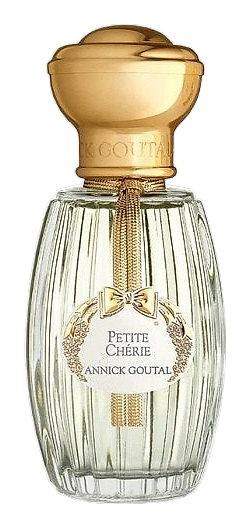
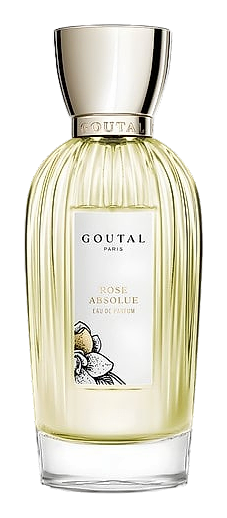
Annick Goutal created Rose Absolue in 1984, a perfume built around the idea that less can be more. Where other houses reached for complexity through sheer force of material, Goutal went the other direction. Narrower. Deeper. A single flower, examined from every angle. Six varieties of rose sourced from different regions: Bulgarian, Turkish, Egyptian, Moroccan, and Damask. Each one brings something different to the composition, a distinct character that contributes to the whole. Together they form something that reads not as a list but as a complete garden in full bloom, the varieties mingling and overlapping until the individual sources become impossible to separate.
A soliflore built from six roses isn't six times the complexity, it's six times the character. Bulgarian rose gives immediate brightness, the kind that hits the nose first and stays longest. Damask carries the classic rose association, the one everyone recognizes before they can name it. Turkish rose adds a darker, more heady quality. Egyptian and Moroccan roses contribute depth and a faint honey warmth. Rose de Mai threads through the entire composition like a recurring melody. Then tobacco. Not the tobacco of pipes or cigarettes, something softer. It doesn't compete with the roses.
The evolution
The opening arrives bright. Bulgarian rose sparkling against whatever citrus warmth opened the composition, before the other varieties begin their slow arrival. For the first hour, the roses layer in one by one, Damask, then Turkish, then the softer Moroccan and Egyptian notes settling into a warm, honeyed heart. The tobacco doesn't announce itself. It arrives quietly in the final act, adding a dry, slightly powdery warmth that rounds the roses and slows their fade. The composition eventually thins to a close-skin warmth, still rose, still present, but receding into something quiet and intimate.
Cultural impact
Rose Absolue arrived in 1984 as a different kind of rose fragrance. Rather than participate in the gardenia and jasmine tradition of the era, it built an entire composition around a single flower and let the variations within that flower do the work. The idea that a soliflore could sustain interest across hours, offering nuance and complexity rather than straightforward floral projection, made it stand apart. The 2008 pink ribbon edition, donating a portion of sales to breast cancer research, kept the fragrance visible to a new generation without altering the formula.