The Story
Why it exists.
The beginning
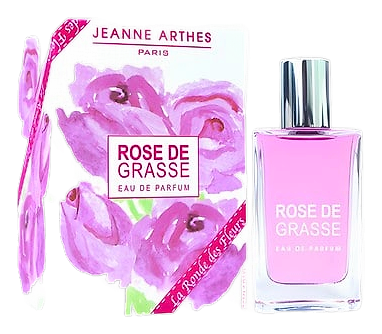
Rose de Grasse arrived in 2014 as part of Jeanne Arthes's La Ronde des Fleurs collection, four fragrances, each built around a single solinote. The brief was homage. Grasse has grown rose for centuries; its name is practically synonymous with the flower. Rather than chase trend or reach for complexity, the house chose to celebrate that heritage directly. A rose fragrance that wears its Grasse roots without ceremony, pure May rose, from opening to drydown.
What makes the structure interesting is the layering. Hawthorn opens it with a green, almost watery sharpness, not the honeyed rose of many compositions. Then two roses take over: red rose bringing depth, white rose bringing air. The separation isn't dramatic, but it gives the heart a dimensionality most single-flower fragrances skip. Rose absolute anchors the drydown alongside white musk, keeping everything close to skin without going static.
The evolution
The hawthorn hits first, green, dewy, like cutting stems in a garden at dawn. Within minutes it softens. The rose water underneath rises, bridging the freshness of the opening to the fuller rose heart. Red and white roses arrive together, not competing but layered. The red gives it body; the white keeps it from becoming heavy. This phase lasts the longest, three to four hours of quiet bloom. Then sandalwood settles underneath, and the rose takes on a creamier quality. White musk keeps it intimate, close to skin. Six to eight hours total, moderate sillage, you'll smell it. The room won't.
Cultural impact
Part of a 2014 collection that revisited Grasse's floral heritage. Rose de Grasse sits apart from the contemporary rose fragrances that leaned into modernity, it offers no twists, no unexpected accords, just May rose executed with the quiet confidence of a house that grew up surrounded by the real thing. Wearers who want transparency in their florals tend to find it here.