
The Story
Why it exists.
The beginning
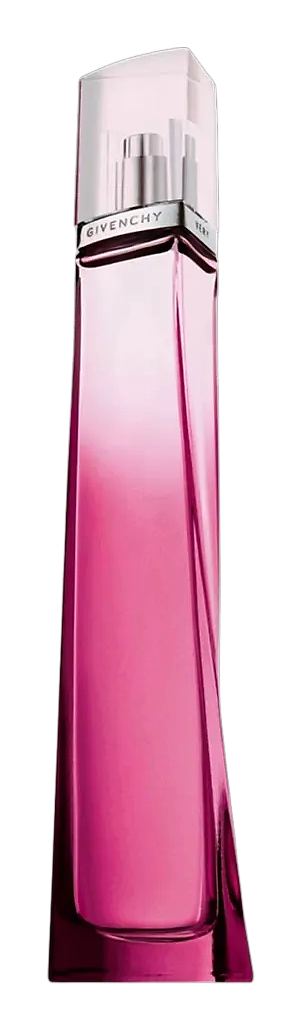
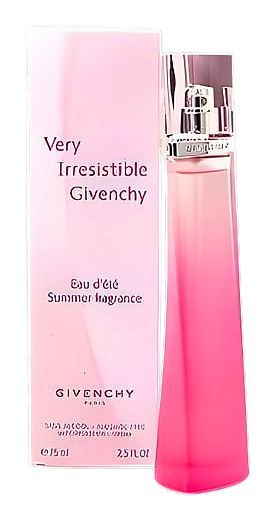
The Very Irrésistible line debuted in 2003, and by 2005, Givenchy wanted something lighter. A summer companion. The brief called for the same spirit, that aristocratic wit, that touch of the unexpected, but dressed down for heat and daylight. The result was Eau d'Été, built on a foundation of peony and lemon verbena but sharpened by star anise, a note few summer fragrances dared to touch. It wasn't trying to be another L'Interdit. It was trying to be itself.
What makes this composition unusual is the pairing of star anise with lemon verbena in the base. Anise carries a cool, medicinal sharpness; verbena is herbaceous and tart. Together they create a dry, slightly bitter undercurrent that prevents the florals from going saccharine. Most summer fragrances lean into peach or citrus sweetness to signal warmth. This one signals warmth with herbs and spice instead, a quieter, more sophisticated signal. The lily of the valley heart keeps it feminine without tipping into girlishness, and the mandarin orange adds a burst of zest that bridges the sharp opening to the soft finish.
The evolution
The opening hits bright and clean, citruses leading, but star anise lurking at the edges like a wink. Not quite licorice, not quite mint. Something in between that wakes you up. Within twenty minutes, the lily of the valley and mandarin orange arrive, and the composition softens into something more familiar, a fresh floral, pleasant and unobtrusive. The sillage stays moderate throughout. Peony and lemon verbena arrive around the hour mark and take over, shifting the character from crisp to soft. This is where the fragrance earns its name, the drydown is genuinely irresistible, a quiet peony warmth that lingers close to the skin for hours. On fabric, it lasts into the next day.
Cultural impact
Eau d'Été arrived in 2005 as part of Givenchy's broader fragrance expansion. It found its audience among wearers who wanted something lighter than the house's signature bolder compositions but still carried that Givenchy edge. The star anise note distinguished it from conventional summer florals, appealing to those seeking something less predictable.