The Story
Why it exists.
The beginning
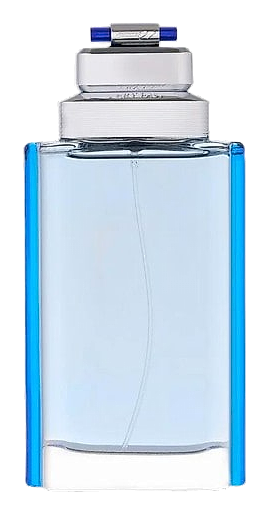
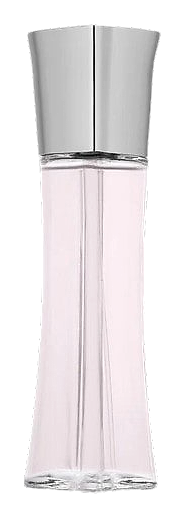
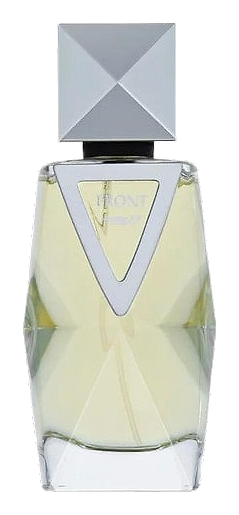
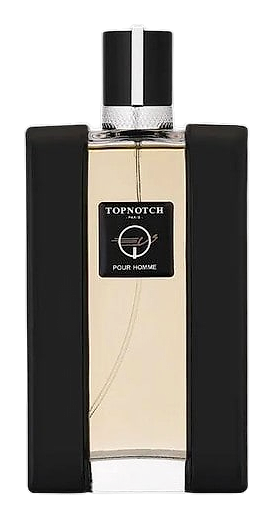
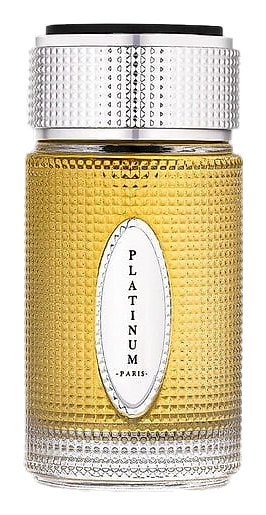
Platinum arrived in 2018 from the house of Jacques Battini, the French perfumer who launched his independent line in 2012 with the stated aim of "crafting personal narratives through scent." Each release from the brand is treated as a small sculptural object, with bottles cut from clear or amber glass and packaging printed on matte paper. Platinum sits firmly inside that philosophy, a masculine composition built around the classic fougère-adjacent vocabulary of lavender, rosemary, and bergamot, with florals pressed into the middle and a woody-mossy floor underneath. The name suggests a metal, a finish, a kind of patina acquired through restraint rather than ornament. It reads like Battini taking the most familiar masculine brief in European perfumery and seeing whether restraint itself could carry it.
What's interesting here is the negotiation between lavender and the floral heart. Lavender almost always anchors fougères next to coumarin and oakmoss, but Battini threads rose and jasmine through the center instead, pushing the composition toward aromatic-floral territory rather than the more austere classic structure. The oakmoss and cedar in the base then pull it back from sweetness. The result sits in a narrow corridor: bright enough to belong to a morning, floral enough to have presence indoors, dry enough at the base to never tip into sweetness. It's a study in what happens when a familiar masculine architecture gets its florals upgraded without losing its bones.
The evolution
The first fifteen minutes are sharp and green. Bergamot and lemon-edged citrus hit first, but the lavender arrives almost immediately behind it and the rosemary gives the whole opening an almost eucalyptus clarity, that bracing, just-showered read that barbershop fragrances trade in. By the thirty-minute mark the lavender has settled and the rose starts to surface, jasmine tucked underneath adding a faint soapy sweetness without ever fully committing to floral territory. The transition into the base is gradual. Around the three-hour mark, sandalwood and cedar take over as the visible structure, oakmoss threading through them with a slightly bitter, dry quality that keeps the fragrance grounded. White musk softens the whole base, but Platinum never goes creamy or powdery on skin. It stays linear from the two-hour mark onward, warm wood, faint moss, a trace of the lavender that opened it. On fabric it lingers longer than on skin, the cedar and oakmoss holding on through the next morning if the shirt stays unwashed.
Cultural impact
Wears like a modern barbershop classic, the kind of fragrance that slots into a rotation of office days and weekend mornings without demanding attention. It sits comfortably alongside the more accessible end of the European aromatic-fougère tradition, sharing clean-lavender-and-cedar DNA with fragrances like Chanel Platinum Égoïste from 1989, though Battini's version reads greener and less metallic. Wearers tend to reach for it as a reliable daily option rather than a statement piece, which is exactly the brief it was built for.