

Heritage
A house, in its own words
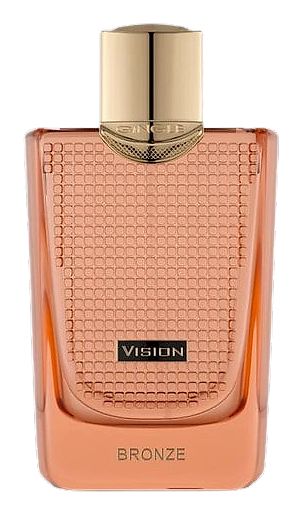
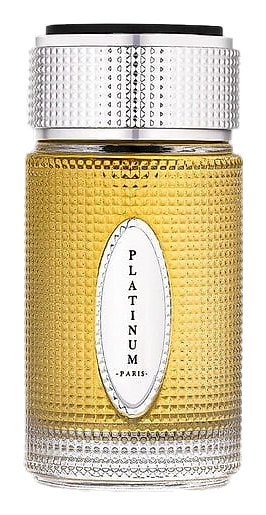
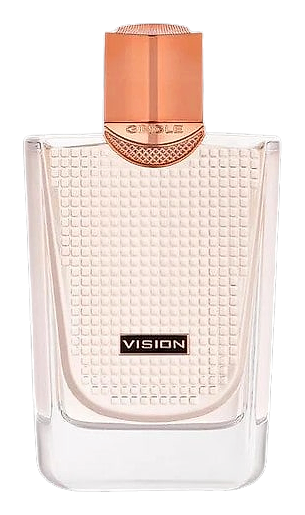
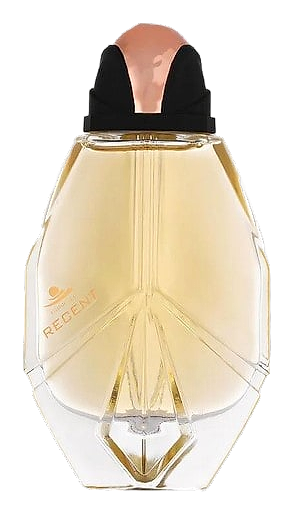
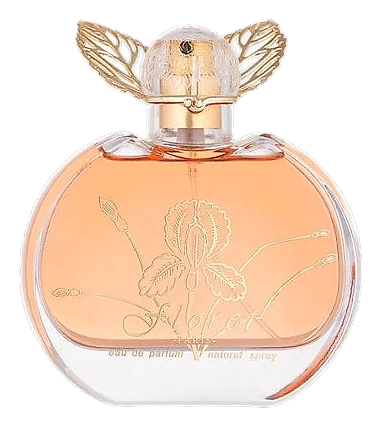
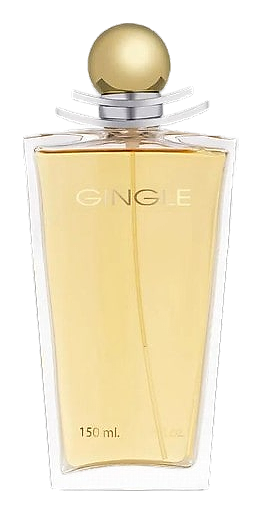
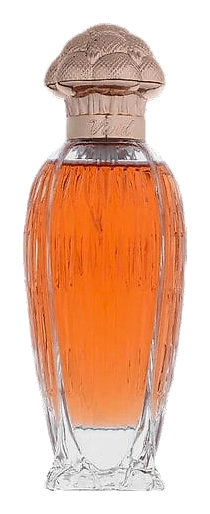
Gingle’s documented history begins with the release of Gingle in 2001. The next recorded milestones are Reveal and Jelly in 2017, Platinum in 2018, Vision Men and Vivid in 2019, Floret in 2020, Recent in 2022, Glint in 2023, and Vision Bronze in 2025. This sequence gives the label a catalogue history of more than two decades, although the supplied research does not identify its founder, original country, legal corporate background, or creative collaborators. The dates are catalogued in the Silloria fragrance database and should not be treated as evidence of any broader company history without additional verification. Several other fragrance houses appear in the research, including Guerlain, Houbigant, Fueguia 1833, and Farina, but there is no reliable connection between those houses and Gingle. For that reason, no lineage, partnership, or historical influence can be attributed to Gingle from the available material. What can be said with confidence is that Gingle expanded across distinct fragrance categories over time, moving from its early 2001 release to later names associated with floral, fresh, bright, and contemporary imagery. Its heritage is thus defined here by a verifiable release chronology rather than unsupported claims about prestige or longevity. The available material does not contain a verified Gingle manifesto, founder interview, or statement of creative intent. As a result, the label’s philosophy can only be described cautiously through its naming and catalogue presentation. Names such as Floret, Glint, Vivid, Recent, and Gingle use concise, sensory, and image-led language. They suggest an interest in mood, texture, light, freshness, and immediacy rather than a single historical narrative. The progression from Gingle in 2001 to Recent in 2022 also implies that the brand has explored different registers while retaining a compact, recognisable naming style. This is an interpretive reading, not a confirmed statement from Gingle. The catalogue includes both traditionally soft floral language, represented by Floret, and more energetic visual terms such as Glint and Vivid. Recent carries a contemporary, time-based association, while Platinum and Bronze introduce a metallic family of references. Together, these names point toward a design-conscious fragrance vocabulary in which a scent may be marketed through a compact image or sensation. However, without official materials or independent interviews, it would be inappropriate to claim that Gingle follows a specific perfumery school, values minimalism, or pursues a particular audience. The safest editorial position is to treat Gingle as a fragrance catalogue whose identity emerges from names, dates, and individual compositions rather than a documented house philosophy.