
The Story
Why it exists.
The beginning
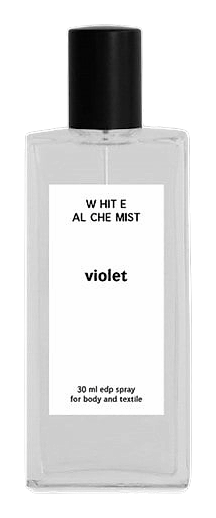
Rather than bury violet beneath a decorative bouquet, Violet presents the flower with room to be itself. The composition places the floral character beside a greener, sharper counterpart, creating an interesting tension from the start: soft petals on one side, leafy brightness on the other. It feels less like a conventional bouquet and more like a single vivid idea stretched across the full composition. On skin, the violet accord develops from a clean floral impression into a powderier, more nostalgic presence, while the green edge keeps the scent lucid and contemporary. The result is expressive without becoming fussy, with each facet adding shape, contrast and movement.
Violet is easy to read, but not necessarily easy to predict. Its floral side carries a powdery, fresh register, while a green edge adds an airy, lifted quality. Together they move between soft nostalgia and clean brightness. The result has a synthetic clarity that keeps the flower from becoming overly pretty, while the powdery side gives the composition a familiar, almost vintage center. As the scent settles, the floral character becomes gentler and more familiar, though it retains enough brightness to remain vivid rather than static.
The evolution
The first impression is brisk and green, with a cool brightness that makes the opening feel clean, airy and slightly unreal. As time passes, the composition softens without losing its edge. The floral accord becomes more pronounced, moving toward a powdery, nostalgic character like an old scent remembered through fabric or a drawer. That change is the surprise. What begins as a clipped green impression becomes a more familiar violet, balanced by an enduring leafy sharpness. On skin, the opening gradually gives way to a softer floral presence, while the green lift prevents the powderiness from turning heavy. By the later drydown, the scent is gentler and more wearable, with a clean floral hush rather than a thick powdery cloud.
Cultural impact
Violet offers a distinctive interpretation of a familiar floral material, pairing the flower's soft, powdery side with a sharp green edge. The result feels vivid, modern and intentionally edited, with an identity that comes from the tension between freshness and nostalgia. Its changing character invites closer attention, revealing how a familiar note can feel unexpected when presented with clarity and restraint.
The House
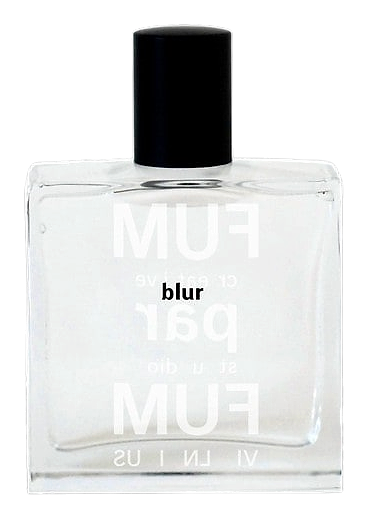
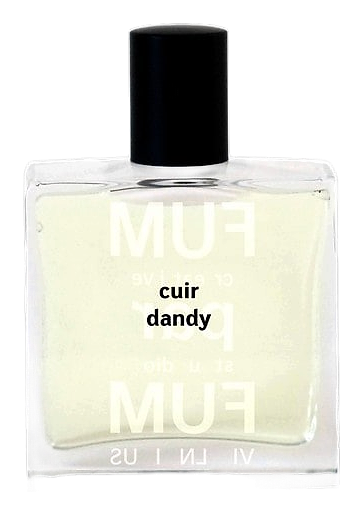
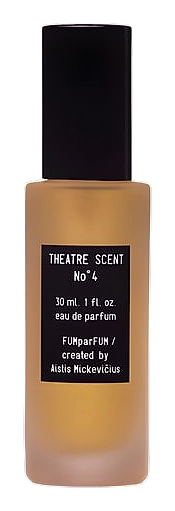
FUMparFUMFUMparFUM is a micro‑brand that lives at the intersection of performance art and olfactory craft. Founded in Vilnius, Lithuania in 2011 by actor‑turned‑perfumer Aistis Mickevičius, the house produces a handful of hand‑blended scents each year. Its catalogue reads like a personal diary, with titles such as Theatre Scent No 4 (2014), Blur (2016) and Thyme (2024). Each bottle arrives in a simple, matte‑finished container that lets the fragrance speak for itself. Though the studio now operates out of Los Angeles, the brand retains its Baltic roots, offering collectors a glimpse into a sensibility that values narrative over hype.
The Creator
Aistis MickevičiusHis technique blends classic French structure with Baltic raw materials. He often begins with a mineral or forest‑derived base, then layers bright citrus or aromatic herbs to create contrast.