The Story
Why it exists.
The beginning
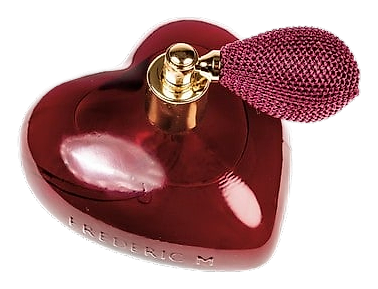
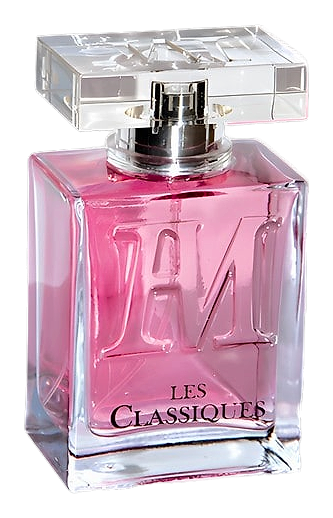
Rose De Mai comes from Frederic Munoz, the perfumer behind Frederic M's Les Classiques line, and the name tells you everything about his intent. The May rose, harvested in Grasse each May from fields that have grown it for generations, is among the most labor-intensive raw materials in French perfumery. Tens of thousands of blooms go into a single kilogram of concrete. Building a fragrance around it, and only it, is either an act of reverence or stubbornness. Munoz chose reverence. Frederic M has been working out of French facilities since 1983, building a catalogue around certified-organic botanical sourcing and quiet, unflashy formulations. Rose De Mai fits that house sensibility like a glove. No projection battles. No market-segment posturing. Just one of the most storied flowers in French scent history, treated with the patience it deserves.
What makes this composition unusual is its refusal to dilute. Most rose fragrances pad the rose with peony, geranium, or a fruit accord to stretch the top and broaden the appeal. Munoz doesn't. The May rose opens the fragrance and never really leaves. Jasmine sits beside it, close but secondary, adding a green-white lift that keeps the rose from collapsing into itself. White musk arrives underneath, providing the skin-warm base that makes the whole thing read like a body rather than a bouquet. The result is a study in restraint. Rose De Mai behaves like a soliflore that learned, very slightly, to share the stage.
The evolution
The first 15 minutes belong entirely to the May rose. It opens with the cool, slightly damp character of a petal just separated from the stem. There's a faint greenness, almost cucumber-like, that signals freshness without resorting to citrus. The flower feels alive rather than potpourri-dry. Within the first half hour, jasmine eases in along the edges. It doesn't announce itself. Instead, it sweetens the rose's sharper facets, adding a soft indolic warmth that reads as human skin rather than as a distinct floral. The musk is doing its work here too, never named but always present, pulling the composition down into the warmth of the wearer. By hour two, the jasmine has largely receded and the musk takes a more visible role. The rose is still clearly there, but it has shifted from petal to pollen, softer and more diffuse. This is the phase where the fragrance becomes most personal, less a flower you're wearing and more a second skin. The base persists through the 4-6 hour range. On fabric, you'll catch traces the next morning.
Cultural impact
Rose De Mai sits in a tradition of soliflore rose fragrances that runs from early French perfumery through to modern indie releases, but it approaches the form with almost monastic restraint. Frederic M is not a house that courts press attention or positions itself in niche-versus-mainstream debates. The fragrance reads as functional artistry: rose for rose's sake, made by a French house that has been quietly bottling botanical formulations for over 40 years. Wearers who gravitate to it tend to prefer fragrance as private ritual rather than public performance.
The House
Frederic MFrederic M is a French fragrance and cosmetics house that has been creating products in France since 1983. The brand positions itself around the idea of healthy beauty, using organic ingredients that meet French regulatory standards. Its catalogue includes a modest but distinctive line of perfumes such as Marmara, Fleur De Paradis (2020), Djohao and Rose De Mai, alongside face and body care items and colour cosmetics. Each offering carries a quiet confidence, reflecting a commitment to purity rather than flash. The brand’s French roots are evident in every bottle, label and formulation, giving consumers a sense of continuity with traditional French craftsmanship while embracing contemporary organic trends.
The Creator
Frederic MunozMunoz favors a minimalist palette, often centering a composition around a single floral or woody note and building subtle supporting layers. He reaches for ingredients that retain clarity: Tunisian jasmine, Moroccan ambergris, and fine vetiver from Haiti appear repeatedly in h…