
The Story
Why it exists.
The beginning
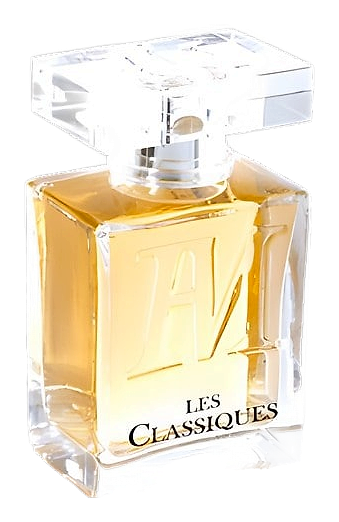
Nosi Be appears in the fragrance catalogue of Frédéric M Selections. Its official description places the scent in floral green territory, led by tuberose, rose, jasmine and patchouli, with white flowers and cotton flowers listed among the opening materials. Together, these notes suggest a cool, leafy floral opening followed by a warmer, more textured bouquet. The flowers give the composition its brightness, while patchouli introduces an earthy depth that keeps the fragrance grounded. Frédéric Muñoz is credited as the perfumer. The name itself has no verified cultural or personal explanation, so the composition tells the story more honestly than invention would. There is no confirmed launch year for Nosi Be, and no confirmed bottle detail beyond its place in the brand's fragrance catalogue.
The striking part is the balance between air and earth. Green notes and floral notes create a clean, leafy opening, while tuberose, jasmine and rose bring a fuller floral center. Patchouli then changes the temperature, giving the white-flower glow a darker root. It's a familiar set of materials in spirit, but the combination feels pointed here: polished petals on top, damp garden underneath.
The evolution
At first, Nosi Be reads as a fresh green floral, almost like cool air moving through leaves and white cotton flowers. Tuberose, rose and jasmine gradually gather warmth, shifting the composition from crisp brightness to a more tactile bouquet. Their soft floral character is shaped by the darker presence of patchouli, which lends the scent an earthy foundation and keeps the flowers from seeming weightless. As the fragrance wears, the opening gives way to a closer floral accord: green notes recede, the heart becomes more expressive, and patchouli remains a steady anchor. The finish is less about a dramatic reveal than a quiet change in temperature, like flowers after rain when the garden has moved from bright and open to intimate.
Cultural impact
Nosi Be can be considered through its fragrance profile rather than any unverified cultural meaning. Tuberose, rose, jasmine, white flowers and cotton flowers create a bright floral impression, while patchouli adds an earthy, grounding contrast. That combination gives the scent a tactile character, balancing the softness of the floral materials with a darker, more grounded accent. The composition invites exploration as a study in contrasts: cool green notes, full flowers and earthy patchouli sit together without relying on sweetness as the main point of expression.
The House
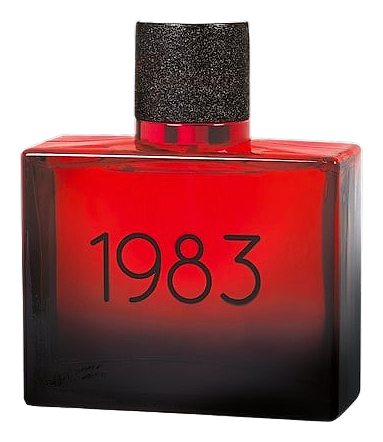
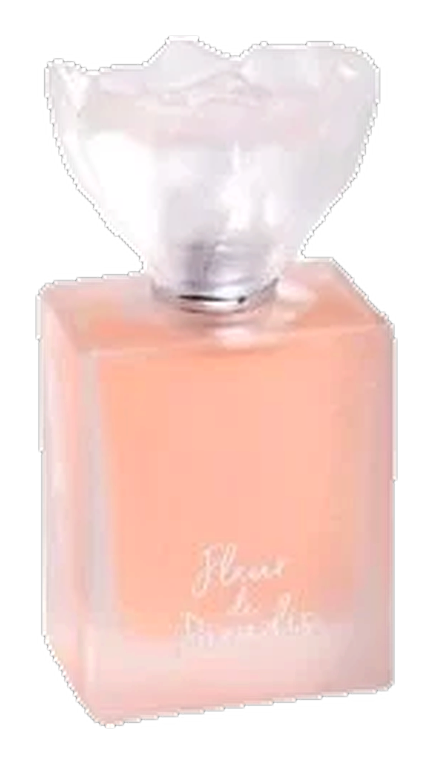
Frederic MFrederic M is a French fragrance and cosmetics house that has been creating products in France since 1983. The brand positions itself around the idea of healthy beauty, using organic ingredients that meet French regulatory standards. Its catalogue includes a modest but distinctive line of perfumes such as Marmara, Fleur De Paradis (2020), Djohao and Rose De Mai, alongside face and body care items and colour cosmetics. Each offering carries a quiet confidence, reflecting a commitment to purity rather than flash. The brand’s French roots are evident in every bottle, label and formulation, giving consumers a sense of continuity with traditional French craftsmanship while embracing contemporary organic trends.
The Creator
Frédéric MunozMunoz favors a minimalist palette, often centering a composition around a single floral or woody note and building subtle supporting layers. He reaches for ingredients that retain clarity: Tunisian jasmine, Moroccan ambergris, and fine vetiver from Haiti appear repeatedly in h…