
The Story
Why it exists.
The beginning
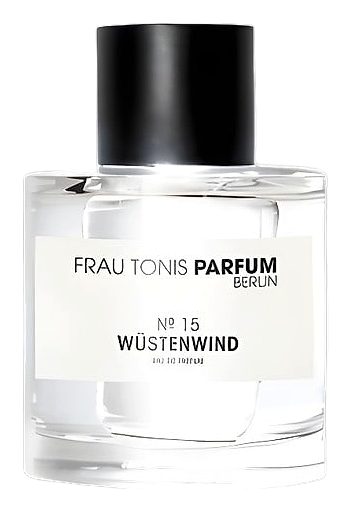
Wüstenwind means desert wind in German. The name is doing real work here, evoking warmth and movement in two syllables. The brief feels like contradiction at its core: wild nature meeting urban lightness, heat tempered by something cool. Tonka bean brings the heat, rose carries the romance, and lavender keeps the whole thing honest. The citrus top adds a clean snap that keeps the composition from feeling too dense or heavy. There's an interplay between cool and warm notes that gives the scent its particular tension, the kind that makes it read differently depending on the weather or the mood. It's not trying to be heavy or opulent.
The composition is interesting because of what it leaves out. No oud, no heavy resins, no smoky incense. Just citrus, lavender, rose, and tonka. Four materials doing the work that most fragrances spread across ten. That restraint is the point, and it pays off in how wearable the result feels. The lavender is doing structural work, not just decoration. It's what holds the citrus from flying apart and keeps the tonka grounded throughout the wear. Without it, this would be a different fragrance entirely, probably a forgettable one.
The evolution
The first minutes are almost aggressive. Lemon hits sharp and clean, the kind of brightness that announces itself immediately. There's a fleeting green quality from the lavender underneath, and for the opening stretch the whole thing reads as an herbal cologne, bright and uncomplicated. Then the rose shows up. Not a heavy, jammy rose. A drier one, almost dusty, with a slightly powdery edge that keeps it from tipping into sweetness. Around the ninety-minute mark, tonka bean takes over. The sweetness arrives warm, slightly resinous, with that almond-vanilla undertone tonka carries. The rose threads through the composition as it develops, never quite disappearing but shifting in prominence as the tonka gains ground. As hours pass, the lavender maintains a steady presence, keeping the sweetness in check and preventing the fragrance from sliding into something cloying.
Cultural impact
Wüstenwind uses tonka and rose without resins or smoke, giving it a lighter profile than many compositions built around warm notes. Within the broader landscape of niche perfumery, it stands out for its restraint, proving that warmth doesn't require weight to make an impression. Other German releases share a similar name and idea, which speaks to how the concept of desert wind resonates across perfumery. The fragrance reads citrus and lavender in the opening before the rose arrives, and this clear progression gives it a recognizable arc.