
The Story
Why it exists.
The beginning
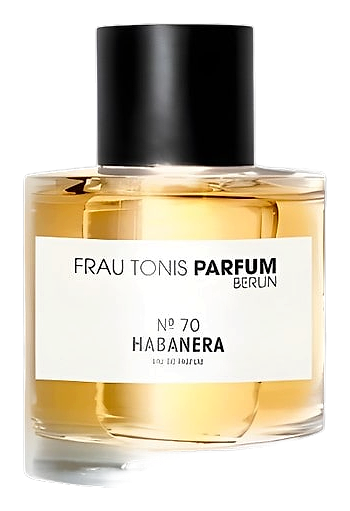
No. 70 Habanera arrived in 2009, when the conversation around niche fragrance was still finding its voice in Berlin. The brief was deceptively simple: take tobacco and push it somewhere uncomfortable. Not the approachable amber-tobacco of mainstream perfumery. Something with edges. The name hovers over Cuban roots, the Habanera rhythm, the island's smoke and sugar, but the fragrance itself feels less like a destination than a journey through something ancient and slightly illicit. Incense was never optional. It was the whole reason.
What makes this tobacco composition unusual is what surrounds it. Leather isn't a supporting note here, it's structural, giving the tobacco something to lean against rather than blend into. Oak wood does similar work in the heart, preventing the fragrance from becoming a flat, smoky wall. The tonka bean arrives late and quiet, but it's doing something clever: introducing sweetness that reads as almost resinous rather than gourmand, a dry sweetness that satisfies without softening. The result is a tobacco fragrance for people who find most tobacco fragrances too easy.
The evolution
At the intersection of ritual and rebellion, No. 70 Habanera emerged from a desire to capture the smoky sensuality of Havana's golden age. Frau Tonis worked with master perfumers to balance the sacred depth of frankincense with the warmth of cured tobacco and the raw elegance of fine leather. The creation process evolved through multiple iterations, each version refining the blend until the notes achieved perfect harmony. The result is a fragrance that tells a story of tradition meeting contemporary sophistication.
Cultural impact
Tobacco and leather have long symbolized power, craftsmanship, and masculinity across cultures. In European perfumery, leather notes trace back to the Renaissance when tanners developed aromatic oils to mask the harsh chemicals used in processing. Frankincense carries millennia of spiritual significance. It burned in ancient temples from Egypt to Rome, valued for its ability to elevate prayer and create sacred atmosphere. Together, these materials represent a bridge between the material and remarkable. The pairing speaks to a growing desire in contemporary perfumery to explore masculine complexity beyond stereotypical fresh and aquatic scents. No.