The Story
Why it exists.
The beginning
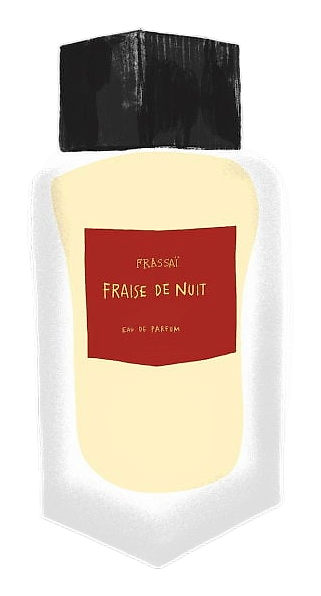
Fraise de Nuit arrived in 2026 from Frassaï, composed by perfumer Marypierre Julien. Its title translates plainly: strawberry of the night. The official description centers on a tight palette of upcycled natural strawberry, five vetiver expressions, and upcycled vanilla recovered from rice processing. There's a clear material philosophy at work, one that leans into earth-sourced and responsibly recovered ingredients as core components rather than marketing afterthoughts. The fragrance takes a familiar fruit and steers it somewhere less expected. The result reads less like dessert and more like the sensation of walking past a garden at the edge of dusk, when the air still holds the last warmth of the day and the berries have taken on a deeper, quieter sweetness.
What makes the structure interesting is its discipline. Three materials: strawberry, vanilla, vetiver. No citrus to brighten the opening, no floral to soften the middle, no musk or amber to anchor a conventional base. The strawberry moves through every phase. It just gets recontextualized, first sweet and direct, then warmed and creamy, finally grounded by the smoky-cool depth of five different vetiver expressions layered against each other. The vanilla carries its own quiet provenance, and the strawberry arrives with a similar sense of intentional sourcing.
The evolution
The first hour is unmistakably strawberry, but not the syrupy, jammy version. It reads closer to crushed ripe fruit, bright and slightly tart, with a green stem-edge sharpness that suggests the berry was just picked. There's a coolness underneath from the start that hints at the vetiver waiting below. Around the second hour, the vanilla begins to surface. It doesn't replace the strawberry, it softens it. The fruit becomes creamier, more lactonic, as if the strawberry was dropped into warm milk rather than eaten raw. The sweetness deepens without losing its shape. By the third hour, the vetiver takes over the base while the strawberry and vanilla continue to glow above it. The drydown is where the five vetiver expressions do their work. Some are smoky, some are earthy, some carry that distinctive grapefruit-peel bitterness that quality vetiver brings.
Cultural impact
Fraise de Nuit reflects a growing appetite for strawberry as something more complex than candy. The fragrance doesn't chase sweetness in the conventional sense. It chases depth, treating a familiar material with enough care to reveal what it can become when it's not forced into its usual associations. It occupies a similar space to other compositions that use recognizable materials in unfamiliar ways, asking the wearer to reconsider what a single note can hold when it's given room to breathe and transform.
The House
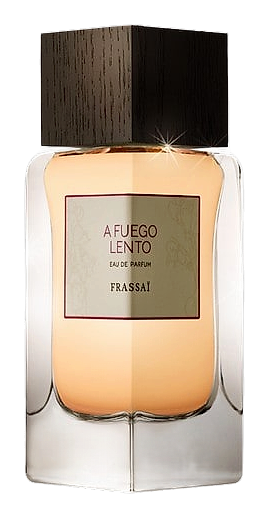
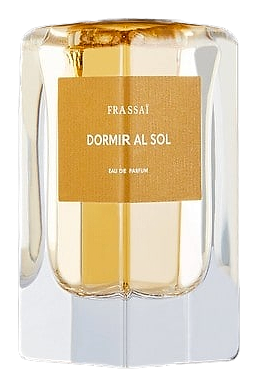
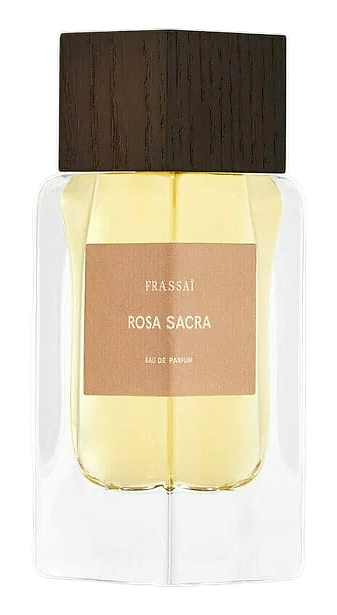
FrassaiFrassaï is an independent Argentine perfume house founded in 2013 by Natalia Outeda, who serves as creator and artistic director. The house operates without a fixed retail address, reflecting its status as a niche, artisanal brand focused on handcrafted fragrance creation. With eleven eau de parfum releases to date, Frassaï draws heavily on Argentine raw materials, incorporating ancient resins, palo santo, and earth-forward accords into its compositions. The brand centers on themes of self-discovery and personal expression, positioning fragrance as a mirror for individual identity rather than a status marker. Frassaï holds the distinction of being the first woman-owned perfume house from Argentina, and Outeda has publicly stated a commitment to supporting women within the fragrance industry, though she does not limit collaborations exclusively to female artisans.
The Creator
Marypierre JulienHer signature lies in botanical precision and a particular gift for translating natural beauty into wearable form. Julien gravitates toward floral and herbal accords, her French sensibility softened by a Mediterranean directness.