The Story
Why it exists.
The beginning
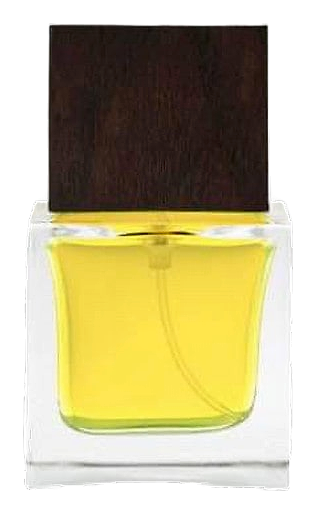
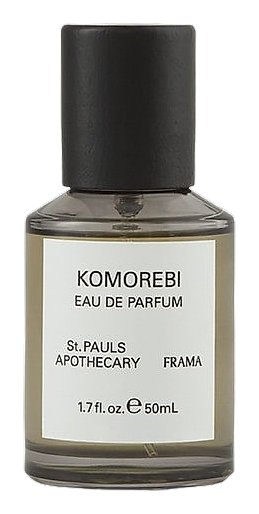
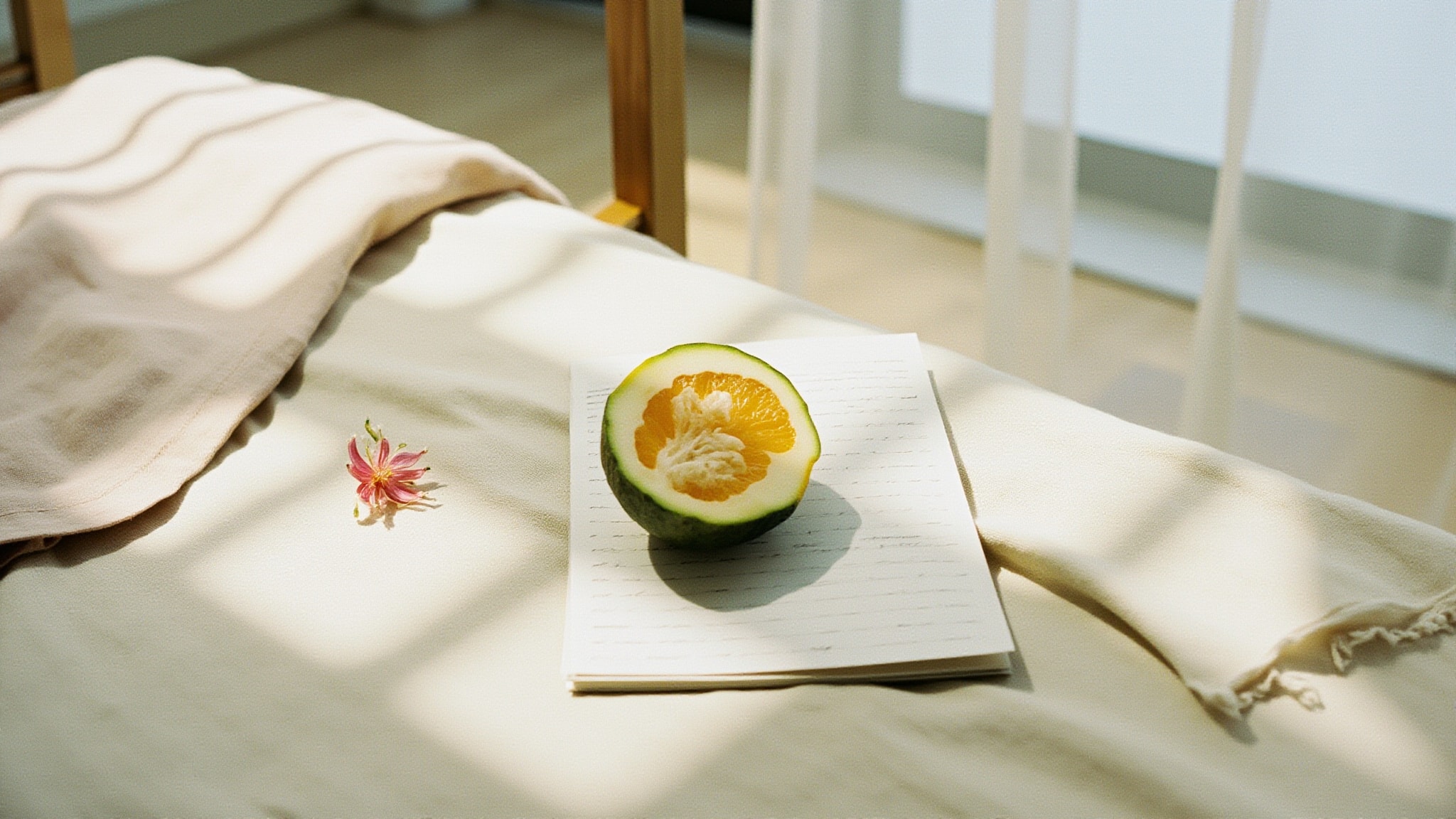
Komorebi is a Japanese word that has no clean English translation. It describes the visual pattern created when sunlight filters through a canopy of leaves, the shifting lattice of bright and shadow on the ground below. The word belongs to a category of sensations that resist direct paraphrase: experiences of light filtered, interrupted, scattered, made momentarily visible by what stands in its way. To name such a thing is to commit to bottling something ephemeral, and FRAMA's Komorebi takes that commitment seriously. The fragrance moves through citrus and florals, finishing with cypress, tracing the same arc that light traces through branches. Yuzu opens with a clean, almost tart brightness, sharp enough to cut through the air without shouting.
What makes Komorebi structurally interesting is how the citrus opening stays present longer than expected, hovering over the floral heart rather than retreating on schedule. The yuzu does not vanish. It lingers, mingling with the osmanthus and jasmine, so that the first quarter of the wear reads as a single luminous gesture rather than a transition. The flowers themselves feel airy because they are never fully alone. Cypress waits underneath, dry and architectural, the kind of base that holds a composition up without making itself felt as weight.
The evolution
Komorebi opens on skin with the immediate impression of yuzu, cold and clean, carrying just enough of the fruit's natural bitterness to prevent it from reading as a generic citrus splash. The first few minutes feel almost like pressing a peeled segment close to the nose, bright, slightly pithy, unexpectedly refreshing against warmth. Within fifteen minutes, the osmanthus begins to surface, and the composition shifts from something sharp to something rounder. The osmanthus carries an apricot-like sweetness that wraps itself around the yuzu without dulling it, lending a fuzzy, slightly golden warmth where the opening had been all clarity. As the first hour settles in, jasmine arrives, but never as a heady, indolic floral. It stays sheer, almost waxy, threading through the osmanthus to create a heart that feels like sunlight on skin through gauze.
Cultural impact
Komorebi has found an audience among wearers who gravitate toward fragrances built around a single sensory idea rather than a maximalist blend. The scent does not try to cover ground; it circles one impression, refining it, narrowing the lens. Yuzu and osmanthus together suggest a specific kind of brightness, cool and warm at once, while jasmine lends the composition a human, skin-adjacent softness. Cypress underneath keeps everything lifted and clean rather than allowing the florals to become heavy or syrupy. The result reads as contemplative without leaning into austerity.
The House
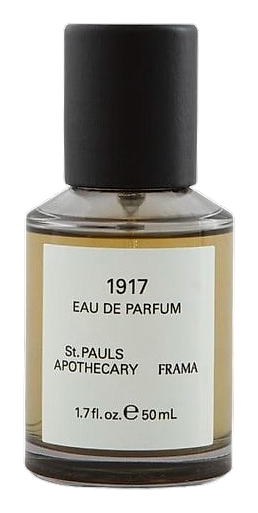
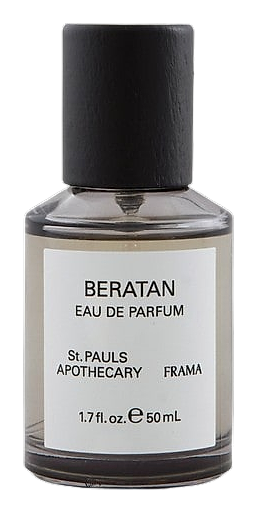
FRAMAFRAMA began as a modest neighbourhood pharmacy in Copenhagen’s Nyboder district in 1878. Today the brand translates that heritage into a line of niche fragrances that reference distinct landscapes, from the painted hues of the American desert to the moss‑laden quiet of a deep forest. Developed in Denmark and blended in Italy, each scent is presented in a minimalist bottle that reflects the brand’s Scandinavian roots and Italian craftsmanship. Notable releases include St. Pauls (2016), 1917 (2017), Beratan (2019), Deep Forest (2019) and Komorebi (2021).
The Creator
Julian BedelJulian favors a palette that mixes rare South American botanicals with classic European absolutes. He often extracts essential oils from medicinal herbs such as catuaba, calafate and patagonian tea, then anchors them with ambergris, cedar and fine musks.