
The Story
Why it exists.
The beginning
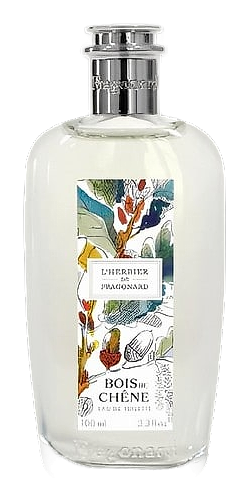
L'Herbier de Fragonard draws from the living landscapes around Grasse, fields, gardens, the green everywhere you look when you're standing in the south of France. Bois de Chêne takes its name from the oak itself, the tree at the center of a forest. For this fragrance, perfumer Alexis Dadier reached for something elemental: the contrast between the cool, sharp air you breathe when you step into trees, and the warmth that builds when you stay. Mint and smoked tea open that door. Cedar and oak keep you there.
The unusual move here is that opening, mint meeting smoke, not competing but coexisting. Most woody fragrances build from the ground up: resin, bark, warmth. Bois de Chêne starts cool and green, then lets the woods arrive almost by surprise. Orris root threads through the heart, adding a powdery iris softness that keeps the cedar from going sharp. The result is a forest walk with a twist: you expect damp earth and you get cool air first. The oak and amber in the base reward patience, this is where the fragrance earns its name, deep and warm and unhurried.
The evolution
Smoked tea and mint arrive together, cool and strange, with shiso's herbal greenness cutting through the warmth. The tension holds for the first act. Cedarwood and oak settle in around the twenty-minute mark, taking over from the mint with that quiet pencil-shaving quality. Orris root adds a powdery iris softness as the woods deepen. The drydown belongs to vanilla and amber, softened by moss. Close. Warm. That old-bookshelf smell lingers after everything else fades. On skin, the projection stays moderate, intimate rather than announcing. The drydown lasts longest, rewarding those who stay close. A skin scent by the end, but one worth the proximity.
Cultural impact
Bois de Chêne arrives at a moment when fragrance culture is actively reconsidering what woody means. While mainstream perfumery has leaned into oud and amber-heavy compositions, this scent reaches back to cedar and oak, materials tied to Grasse's pre-synthetics era. The smoked tea and shiso opening signals a broader trend toward cooler, more herbal openings that challenge the warm-weather defaults. Fragonard's positioning of this within the L'Herbier collection ties it to a renewed interest in botanical honesty, plants as raw material rather than metaphor. The mint-smoke contrast in particular has become a quiet touchstone for enthusiasts seeking something that smells considered rather than loud.