The Story
Why it exists.
The beginning
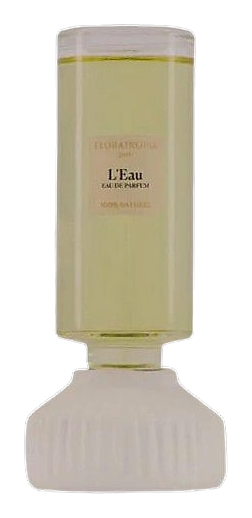
L'Eau emerged from Floratropia's commitment to botanical honesty, a fragrance built entirely from natural materials, without synthetic shortcuts. Perfumer Delphine Thierry worked with the constraints and freedoms this imposes: natural ingredients behave differently depending on harvest, region, and season. Each batch carries subtle variation. That unpredictability isn't a flaw, it's the point. Thierry selected mate and seaweed as base materials, an unconventional pairing that lacks the fixative strength of synthetic compounds. The gamble was whether these materials could stabilize together, creating a mineral-herbal drydown that feels complete rather than truncated. The 2020 release proved they could. L'Eau exists as evidence that natural perfumery can construct complexity from botanical materials alone, without engineering the outcome.
The real challenge in L'Eau's composition wasn't any single ingredient, it was the mate-seaweed pairing. Both are unusual in mainstream perfumery, and neither behaves like a conventional base note. Mate offers bitter, tobacco-like depth without sweetness. Seaweed contributes mineral earth rather than aquatic recreation. In synthetic perfumery, these materials would be stabilized and shaped by surrounding compounds. Without that safety net, Thierry had to find botanical bridges. Cade oil provided the solution, smoky, dry, almost medicinal, it bridged the gap between mate's herbal bitterness and seaweed's mineral weight. Neroli added coolness to prevent the composition from becoming too heavy.
The evolution
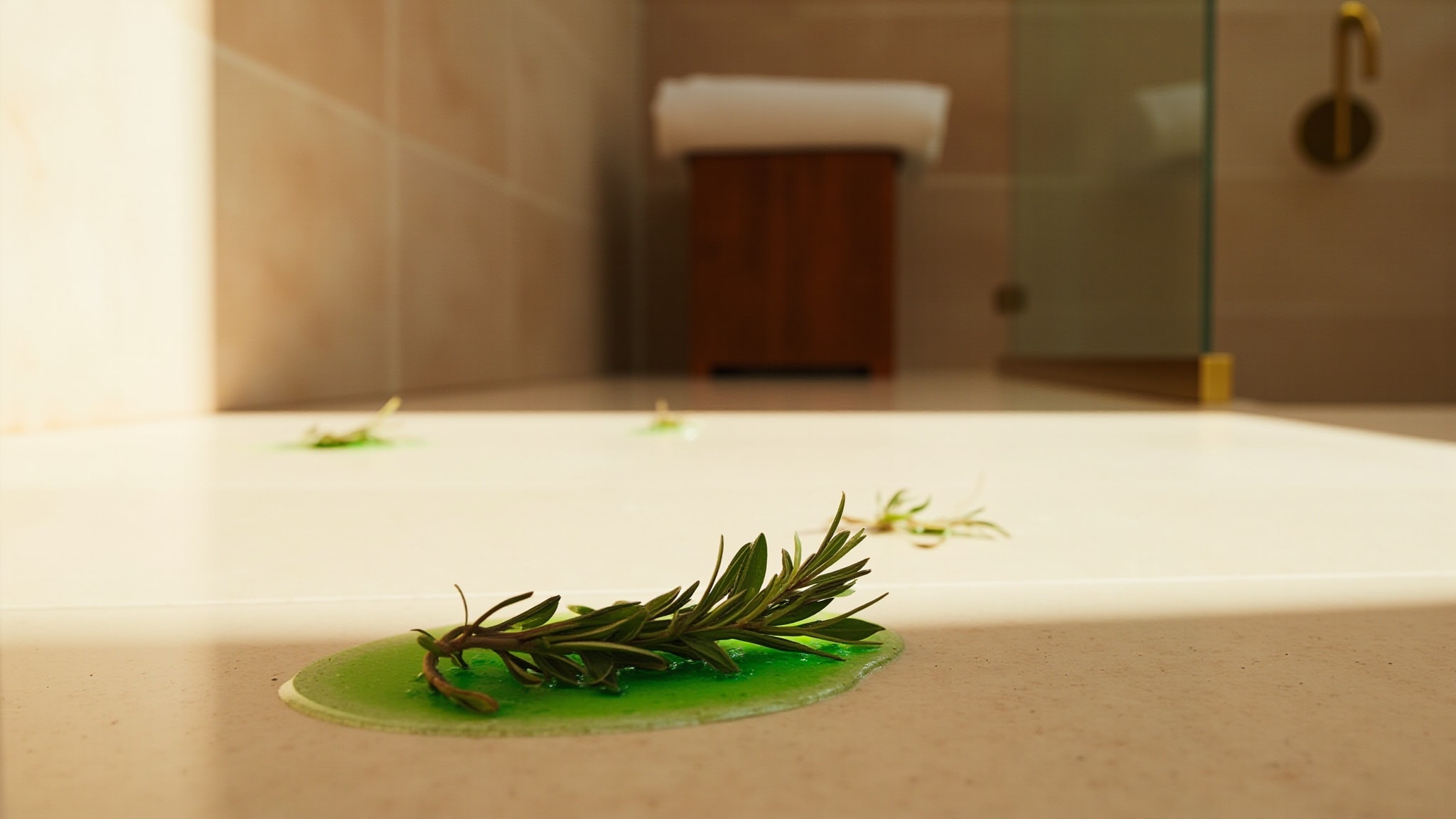
The opening hits immediately. No preamble. Rosemary, clary sage, and basil arrive together, an herb garden disturbed, stems releasing oil, green and sharp and almost vegetal. Bergamot cuts through with citrus brightness, almost metallic in its clarity. Black pepper adds clean warmth that doesn't linger as heat but recedes quickly into the background. The whole top lasts perhaps 30 minutes before the lighter notes begin to recede. The heart phase belongs to cade oil. This smoky, dry material takes over as the citrus and herbs fade, introducing a mineral quality that feels almost medicinal. Tunisian neroli arrives late in this phase, cool, floral, calm, balancing the cade oil's darkness. There's a tension here between mineral and floral that shouldn't work but does. This phase carries the next hour or two. The drydown begins around the two-hour mark. Mate dominates now, its bitter tobacco character asserting itself over everything that came before.
Cultural impact
L'Eau attracts wearers who find conventional aromatics exhausting, synthetic freshness that performs on cue, predictable projection, the same lavender-bergamot template repeated across hundreds of releases. This fragrance doesn't play that game. The mate-seaweed drydown isn't trying to please anyone. The 100% natural constraint means no engineering around botanical limitations. Some find this liberating. Others find it too austere. Those who connect with it tend to describe it as the most honest fragrance they've worn, not a constructed experience but something that arrived with its own character.