The Story
Why it exists.
The beginning
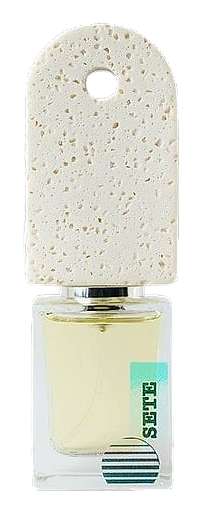
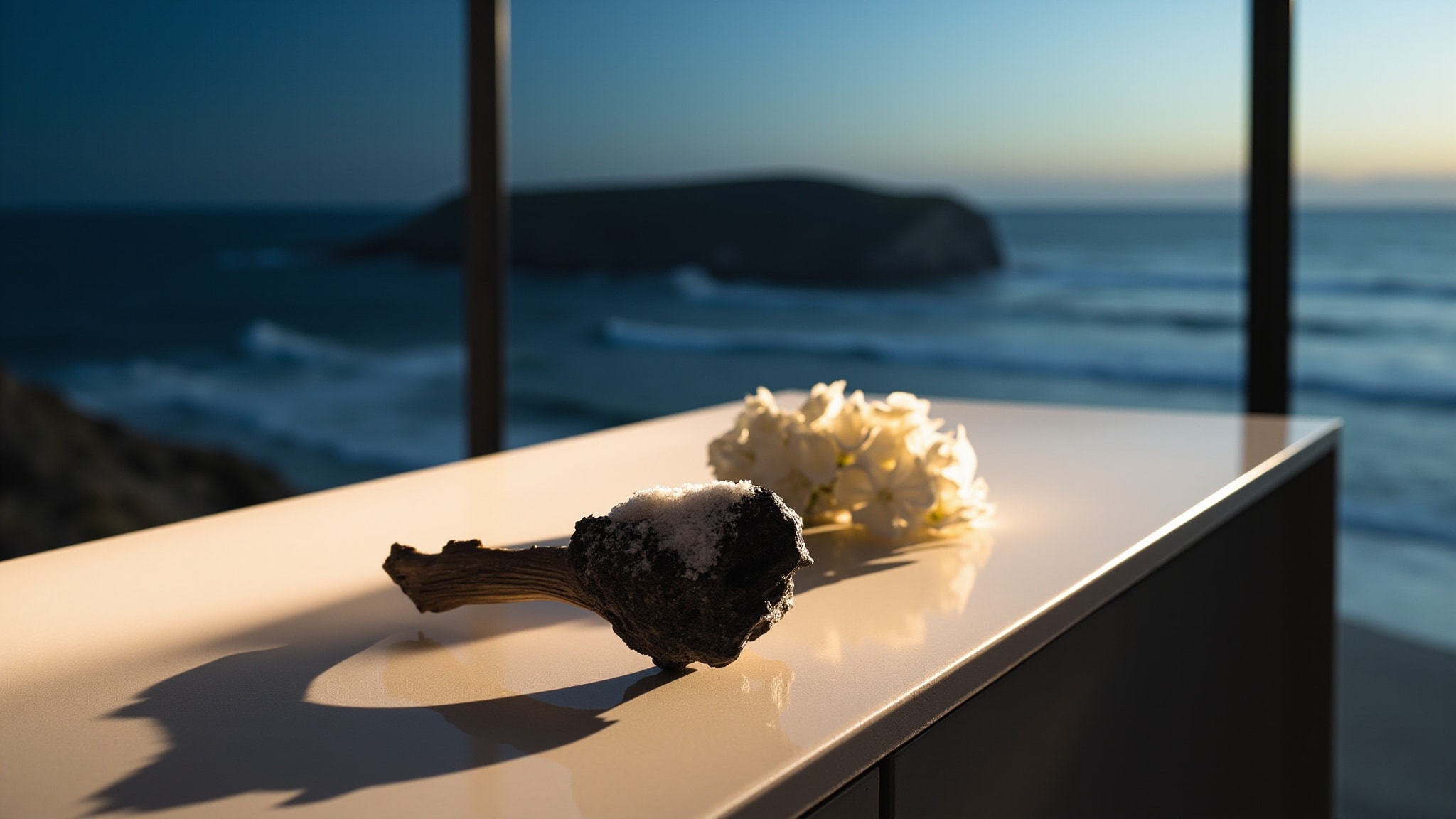
Sete arrived in 2026 with Giuliana Acquaro as its creator. The fragrance is built around a fluid, tactile quality that makes itself felt through the way its notes move across skin. Salt glides over the surface with a cool, briny presence, while white flowers open through humid air with a soft, luminous bloom. Beneath them waits an earthy pull, giving the composition weight and depth as it develops. The scent begins with the clarity of salt and ozone, then gathers white floral warmth before settling into darker notes of peat and ambergris. This progression gives Sete its sense of movement: airy at first, closer to the skin as the hours pass, and eventually grounded by mineral, woody and faintly animalic accents.
The interesting part is the collision of opposites. Ozonic notes and salt create a cool, open-air effect, while peat introduces the damp weight of earth. Ylang-ylang and white flowers bring sensuality without turning overtly sweet, and ambergris adds a mineral-animalic depth that can read like sun-warmed skin. Floramara's composition is rarely a single clean idea here. It's a balance of bright air, salt, floral flesh, and dark mineral matter, with the Narcotic accord adding an intentionally seductive haze to the heart.
The evolution
The opening hits like spray hitting stone: ozonic notes sharpened by salt, with a brisk green edge that suggests exposed coast and moving air. Ylang-ylang soon brings creamy sensuality, while the white flowers unfurl into that brightness. Together, the salt, ozone and greenery establish a cool marine impression before the floral notes soften it with a creamy yellow warmth. The composition then turns less literal. Peat darkens the watery opening into damp earth and weathered driftwood, and ambergris gives it a warm, faintly animalic pulse. As the hours pass, the flowers become less petal-like and more like skin over heat. Salt and peat remain the clearest threads, joined by a soft yellow-floral sweetness and an earthy mineral accord. On skin, the scent shifts gradually from lucid and coastal to warm and grounded.
Cultural impact
Sete brings a striking contrast to contemporary aquatic perfumery, pairing the clarity of salt and ozone with flowers, damp earth and a warm ambergris accord. Its coastal impression is immediately readable, but the composition doesn't remain confined to that familiar register. White florals and ylang-ylang lend a sensual softness, while peat introduces smoke, soil and weathered wood beneath the brighter opening. As the fragrance develops, the cool marine facets soften against skin and become intertwined with earthy and faintly animalic notes.
The House
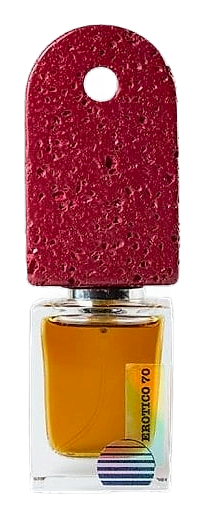
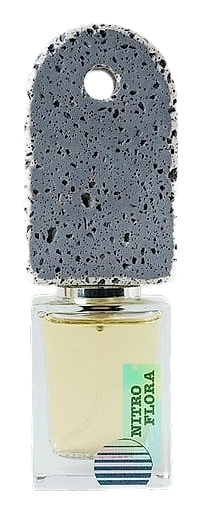
FloramaraFloramara is an Italian niche fragrance house that made its debut in 2025. The name arrives with an immediate romantic charge, blending flora with the warmth of a late evening, a suggestion that carries through the brand's emerging catalogue. Releases known so far include Nitroflora, Sete, and Erotico 70, the last two carrying 2026 dates that place them near the edge of the brand's short public history. Little has been disclosed about the perfumers behind these compositions. Floramara still has the profile of a young house finding its voice, with limited third-party coverage and a small, developing range. That early stage makes each new release part of the story rather than a chapter in an already established legacy. For discovery-minded collectors, Floramara offers something still being defined: a recent Italian label with distinct names, an ambitious first year, and a point of view that appears to sit between natural imagery and the more expressive end of niche perfumery.
The Creator
Giuliana AcquaroThe available record gives a concise picture of Acquaro’s technique. Her compositions for Floramara favor clarity over complexity for its own sake, with materials chosen to create definition and wearability.