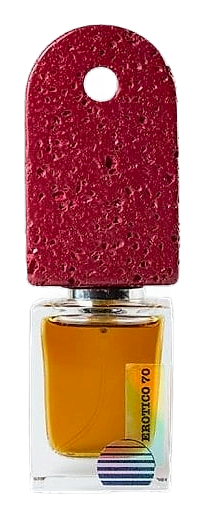
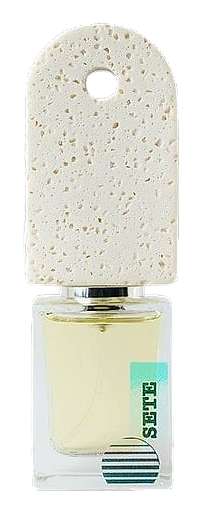
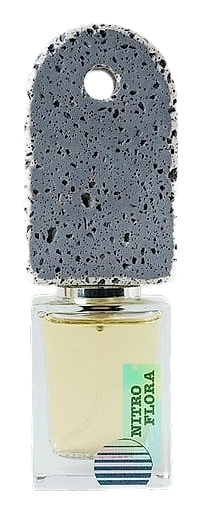
Heritage
A house, in its own words
Floramara's history is brief by the standards of the fragrance world. The house is identified as an emerging Italian niche perfume house, debuting in 2025, a detail reported in independent coverage of the brand rather than through the usual historical archive of a long-established perfume house. The founding year given here is therefore the year of the public debut, not necessarily the year of first conception or legal incorporation. No founder names, founding city, or family origins appear in the available record, and none can be responsibly supplied. What can be said is that Floramara entered the market at a moment when Italian niche perfumery has been attracting attention from collectors and editors looking beyond the country's more familiar houses, many of which trace their stories back centuries. Floramara belongs to a different kind of lineage. Its heritage is prospective, built release by release rather than inherited from a historic premises or an archived formula book. The first scents, Nitroflora and Erotico 70, are dated 2025, while Sete carries a 2026 date, placing the brand's early catalogue across two consecutive years. That compressed timeline suggests a deliberate pace of development, with the house introducing its identity to the market while still shaping it. For now, the story Floramara is writing is simply its beginning, and the most reliable markers to track are the fragrances themselves. Floramara describes itself as a project aimed at the creation and reproduction of real and surreal odours, with the stated intent of subverting, innovating, and stimulating new experience. The language is deliberately provocative, and it signals a brand more interested in expanding perception than in decorating a familiar niche. Two ideas sit at the centre of this approach. The first is realism, the attempt to capture an odour that feels true, recognisable, rooted in something the nose has encountered before. The second is surrealism, the willingness to carry that same realism into strange, unexpected, or dreamlike territory. Together they suggest a house unwilling to choose between the tangible and the abstract, treating both as legitimate materials for composition. The RAREBLOOM concept attached to the brand reinforces this sensibility, framing fragrance creation as a process shaped by light, emotion, and visual storytelling, translating an image into scent. The brief is less about perfume as accessory and more about perfume as atmosphere, an emotional and imaginative encounter rather than a simple object of adornment. This positions Floramara within the contemporary niche mindset, where narrative and concept matter as much as the composition itself. The house's willingness to name a fragrance Sete, the Italian word for thirst, hints at an interest in physical, bodily states rendered as olfactory ideas, sensation translated into air.