The Story
Why it exists.
The beginning
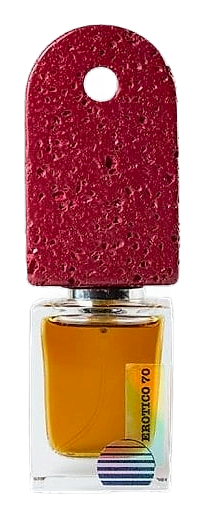
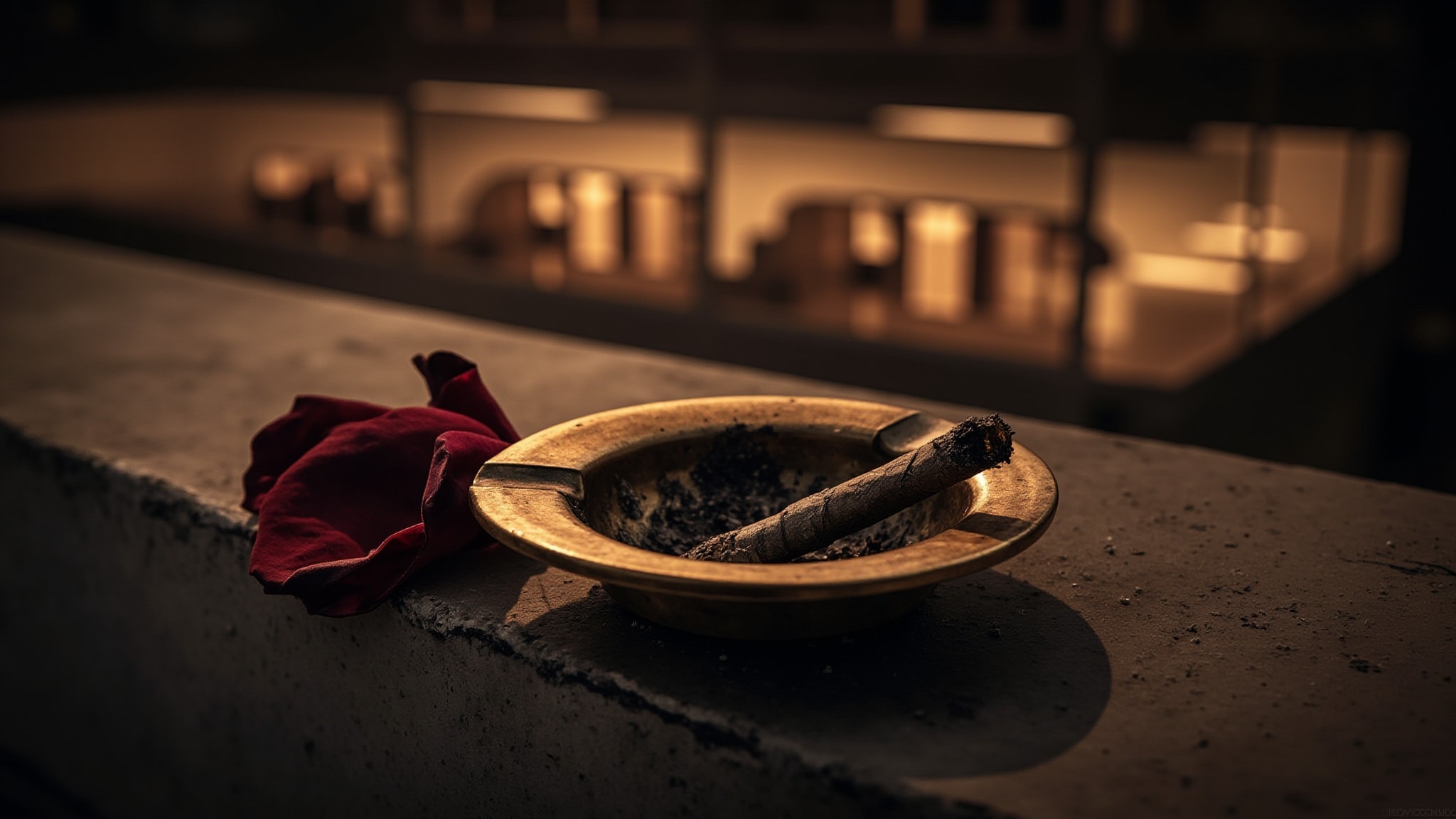
Erotico 70 arrived in 2025, with Andrea Namoini as its perfumer. Its stated inspiration points toward a decade of freedom, creativity, transgression, good music, and free love, then places that rebellious energy inside an exclusive nightclub. The reference imagery adds dancers, perspiration, and extinguished cigarette butts, giving the scent a charged setting rather than a polished perfume-counter mood. Smoke and tobacco establish the composition's dark edge, while rose brings a dusky floral presence into the haze. Boozy notes add warmth, and the combination suggests heat, nightlife, and a bold sense of occasion. The name reinforces the idea: Erotico 70 isn't a quiet reference to seduction, but a direct entrance into a scene built around freedom, heat, smoke, and spectacle.
The composition works through a deliberate clash of materials. Tobacco and smoke bring dry, charred heat, while boozy notes add a darker, more social kind of warmth. Rose keeps that heat from becoming one-dimensional, lending a powdery floral shadow that can read as polished, provocative, or slightly nostalgic. Musk and amber then gather the different textures together. It's this tension between nightclub realism and romantic surface that makes the fragrance more than a simple smoke scent.
The evolution
At first, smoke sets the scene with tobacco's dry, leathery edge. The rose arrives gradually, not as a fresh bouquet but as a dusky floral presence threaded through the haze. Boozy notes deepen the middle, lending warmth without turning the composition overtly sweet. As the scent settles, musk and amber take charge. The floral side softens, while smoke and tobacco keep their grip, leaving a dry, earthy, leathery trail with amber warmth underneath. The opening haze gradually gives way to a warmer, more rounded middle, where rose and the boozy facets move together without becoming sugary. Later, the dry tobacco character remains distinct beneath the amber and musk, creating a close trail that stays intimate rather than loud. Its longevity is reported as above average, allowing the scent to linger into the later hours as a subtle reminder of the night.
Cultural impact
Erotico 70 lands in a culture of scent that treats fragrance as atmosphere rather than accessory. Its 1970s reference gives the release a period charge, framing the fragrance around freedom, transgression, good music, free love, and an exclusive nightclub scene. Smoke, tobacco, rose, alcohol, musk, and amber work together to create a composition that feels expressive and nocturnal. The smoky opening is dry and sharply defined, while the gradual arrival of rose adds a floral warmth to the haze. As the boozy middle develops, the scent becomes richer without becoming overtly sweet.
The House
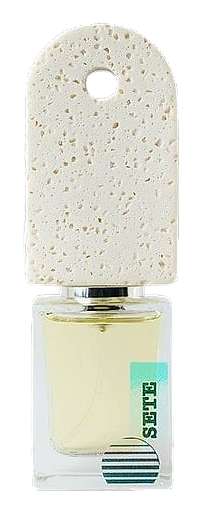
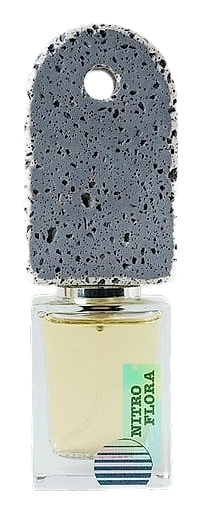
FloramaraFloramara is an Italian niche fragrance house that made its debut in 2025. The name arrives with an immediate romantic charge, blending flora with the warmth of a late evening, a suggestion that carries through the brand's emerging catalogue. Releases known so far include Nitroflora, Sete, and Erotico 70, the last two carrying 2026 dates that place them near the edge of the brand's short public history. Little has been disclosed about the perfumers behind these compositions. Floramara still has the profile of a young house finding its voice, with limited third-party coverage and a small, developing range. That early stage makes each new release part of the story rather than a chapter in an already established legacy. For discovery-minded collectors, Floramara offers something still being defined: a recent Italian label with distinct names, an ambitious first year, and a point of view that appears to sit between natural imagery and the more expressive end of niche perfumery.
The Creator
Andrea NamoiniBecause Namoini has no released fragrances in the available record, it would be premature to assign him a recognizable signature or list preferred ingredients as settled traits. His training at the Givaudan Perfumery School suggests a structured path built around the study of…