The Story
Why it exists.
The beginning
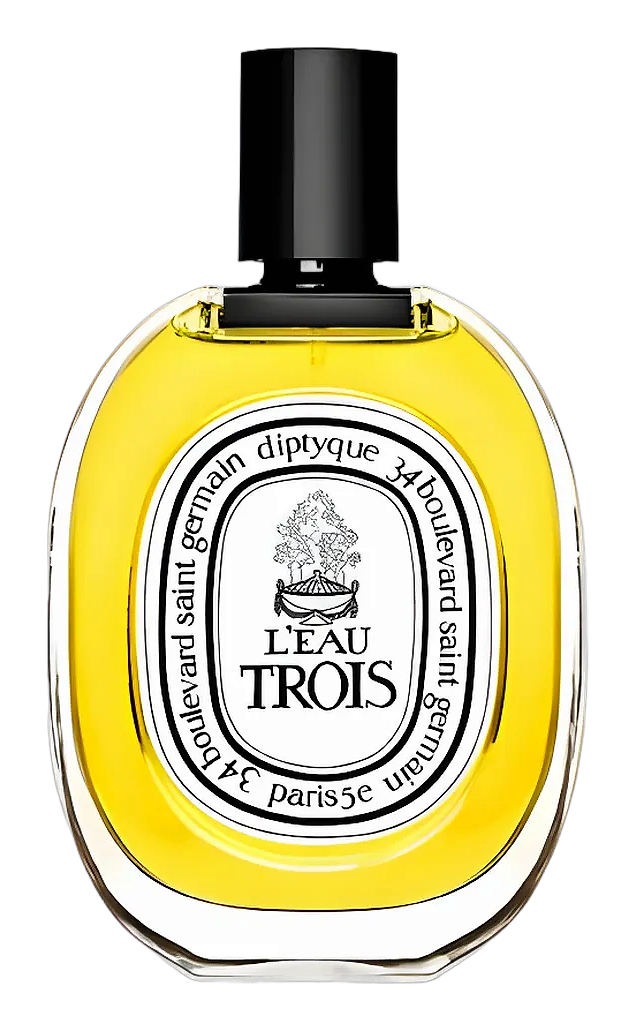
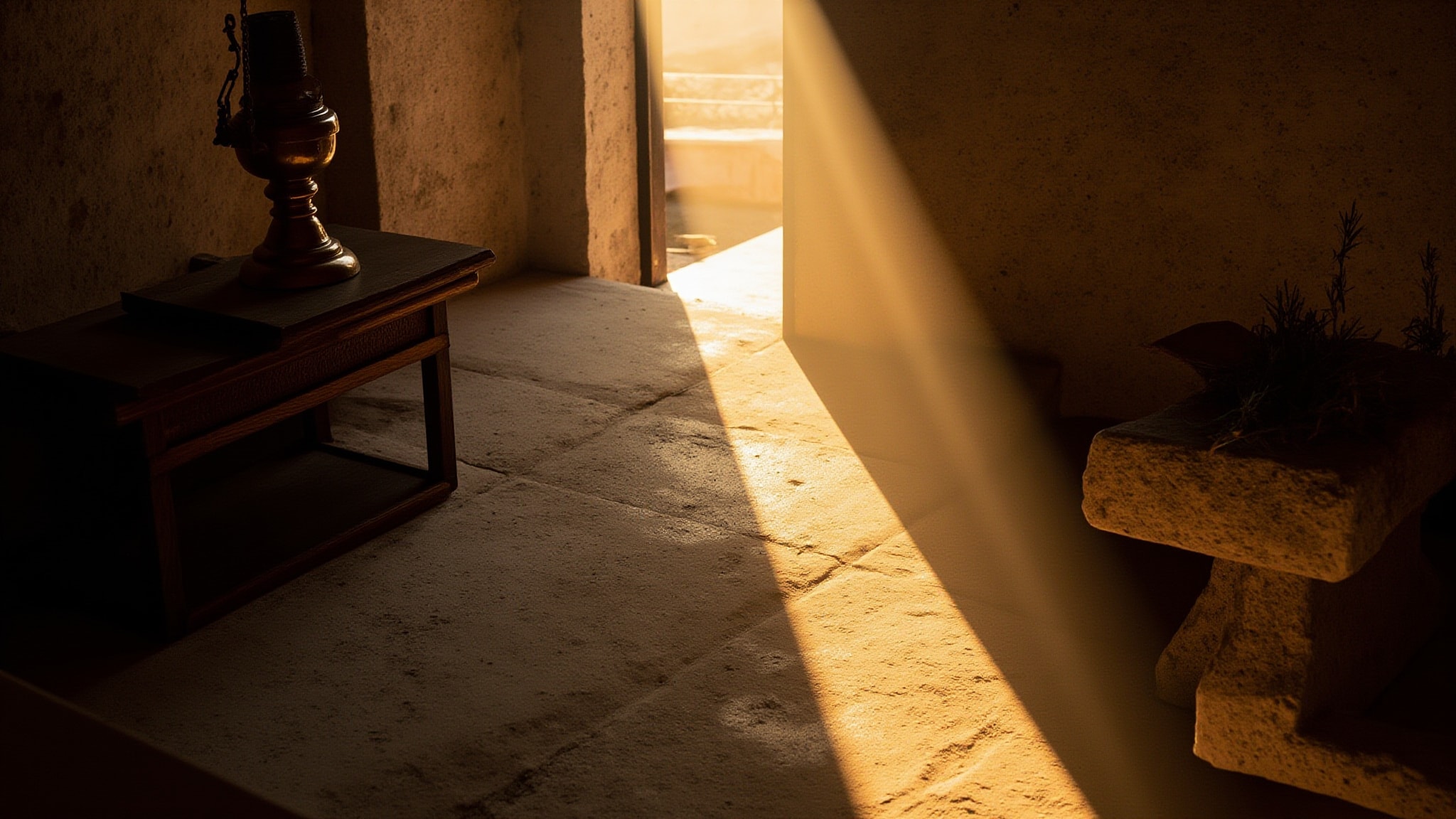
Serge Kalouguine created L'Eau Trois in 1975 with a single memory at its center: an Orthodox monastery in the mountains of Greece, where the air hung thick with resinous shrub, burning incense, and myrrh. He remembered the stone walls inside, cool against the skin after walking through heat. The smell that greeted him was neither hot nor cold. It was something between, dry, sacred, alive.
What makes L'Eau Trois unusual is how it refuses the obvious path. No citrus to cool the heat. No sweetness to soften the resin. Instead: rosemary and myrtle, herbs that smell like the landscape itself, scrubby, sun-dried, pulled straight from the maquis. Then myrrh, arriving in two stages, once in the heart, again in the base, as if the fragrance can't let it go. Pine resin anchors everything, giving the composition its dry, almost bitter backbone. It's a fragrance that smells like a specific afternoon, a specific door opening, a specific place that most people will never visit.
The evolution
The opening hits hard and fast, rosemary cutting through with a green, almost medicinal sharpness. Pine sap arrives within minutes, bitter and resinous, like the smell of a tree that's been cut open in the heat. For the first twenty minutes, the fragrance is aggressive, unapologetic, almost confrontational in its dryness. Then the myrrh begins to surface, warm at first, a slow exhale against the green. The caraway adds a faint anise-like spice that lifts the composition without sweetening it. By the second hour, the rosemary has faded and the pine has softened into something more resinous, less raw. The heart is all myrrh now, with a faint spiciness threading through. This is when L'Eau Trois becomes intimate, close to the skin, quiet, almost reverent. By the fourth hour, the myrrh anchors everything.
Cultural impact
L'Eau Trois occupies a strange position: it's been around since 1975, yet it remains one of the most polarizing fragrances in Diptyque's lineup. Wearers describe it as the smell of medicinal salves, of burning shrub, of walking into a space where incense has been burning. The pine and myrrh combination reads as spiritual to some, medicinal to others. There's no middle ground. What reviewers agree on is that it smells like nothing else, a fragrance that operates in its own register, indifferent to trends, immune to the sweet modernity that dominates perfumery.