The Story
Why it exists.
The beginning
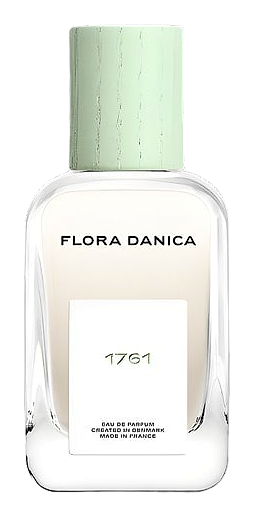
The name is the origin. 1761 was the year Flora Danica, the monumental 18th-century botanical encyclopedia commissioned by Danish royalty, went to print. A year of scholarly ambition made tangible. Perfumer Ilias Ermenidis wanted to capture something specific: the feverish moment when a new idea becomes real, when possibility stops being abstract. The fragrance plays on contrast, radiant freshness against precious woods, the same tension any creative act contains. That's the brief. That's the fragrance.
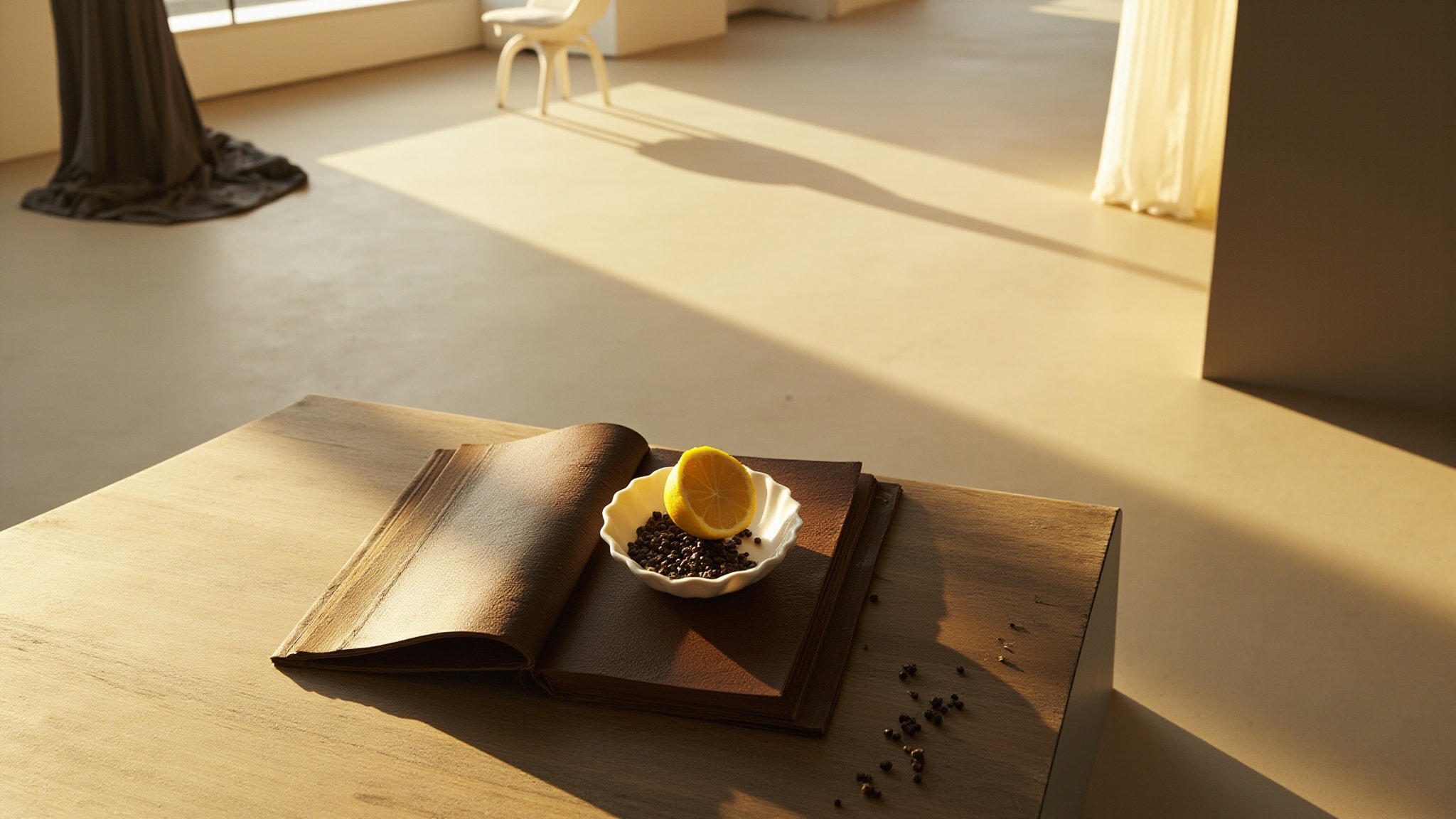
What makes 1761 work is that it doesn't resolve neatly. The top notes, lemon, black pepper, cardamom, arrive together in a burst of citrus and spice that feels almost electric. But then the heart notes of juniper, cypress, and clary sage introduce an aromatic stillness that contradicts the opening. Those two phases don't want to agree with each other. And the base, patchouli, frankincense, oak, doesn't try to smooth things over. It just arrives and stays, giving the contradiction somewhere to live. That structural tension is what gives the fragrance its character. It smells like something in process, not something finished.
The evolution
The opening announces itself quickly. Lemon and black pepper arrive together, the citrus sharp and immediate while the cardamom adds warmth beneath it, a spark struck in under thirty seconds. The black pepper doesn't fade so much as integrate, becoming part of the structure rather than disappearing from it. By the thirty-minute mark, the juniper has taken over the conversation. Pine-like, almost resinous, it shifts the fragrance from bright to green in a way that feels like walking into a forest rather than smelling one. The clary sage smooths the transition, its herbal quality tempering what could have been too sharp. The drydown is where frankincense earns its place. It doesn't hit immediately, it builds slowly, arriving around the two-hour mark alongside patchouli's earthiness. The oak adds dry structure beneath both, preventing the base from becoming heavy or sweet. What lingers is the frankincense and oak together, clean, slightly smoky, intimate. On fabric, it projects softly for three to four hours before settling close to the skin.
Cultural impact
1761 sits in a specific corner of the market: accessible enough for daily wear, complex enough to reward attention. The botanical scholar positioning, quiet confidence over performative luxury, appeals to wearers who want presence without announcement. It doesn't shout. It stays.