The Story
Why it exists.
The beginning
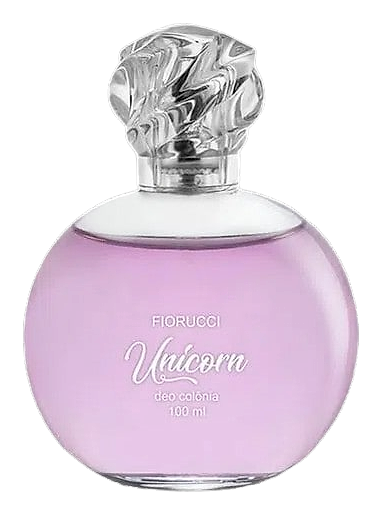
The Unicorn Mystic Line arrived in 2020 as part of Fiorucci's ongoing experiment: what happens when fashion's sense of play gets translated into scent? The 'Mystic' naming suggests something otherworldly, a departure from the everyday. Pink came first in this line, a deliberate choice to lead with the color the brand has built its identity around. This wasn't a fragrance meant to smell expensive or aspirational. It was meant to smell like possibility, like a mood board come to life.
The structure is deliberately stacked. Red fruits and pink pepper open bright and juicy, that first impression is meant to catch attention before the wearer even leaves the room. Then the lactonic heart takes over: vanilla and milk, an edible combination that makes the fragrance feel cozy rather than corporate. The Turkish rose and red apple in the heart add a floral-fruity layer that prevents the sweetness from becoming flat. By the base, sandalwood and amber provide enough warmth to ground it, while musk keeps the whole thing close to the skin rather than projecting loudly into a room.
The evolution
The opening is the loudest moment, red fruits and pink pepper announce themselves immediately, sweet and just slightly tart. Lemon fades fast, maybe within the first fifteen minutes, leaving the red fruits to mellow. Then the milk and vanilla arrive, and the fragrance shifts from candy-bright to comfort-food warm. The Turkish rose doesn't fully assert itself until the heart settles, and when it does, it brings a powdery floral note that balances the sweetness. The drydown is where this fragrance earns its longevity: sandalwood, amber, and musk create a warm base that lingers close to the skin for several hours. Tuberose and peach add a creamy sweetness to the finish that stays intimate and skin-warm.
Cultural impact
Fiorucci's 2020 launch of Unicorn Mystic Line Pink arrives at a moment when the unicorn has become a dominant cultural symbol, particularly among younger consumers who associate the creature with fantasy, self-expression, and playful rejection of convention. The Italian fashion house, founded in 1967 and known for its disco-era flamboyance, repositioned itself in the 2010s around youth culture, streetwear, and ironic nostalgia. The Mystic Line extends this strategy into fragrance, treating scent as an extension of identity rather than a traditional luxury purchase. The pink unicorn motif references the 2010s kawaii aesthetic that permeated social media, fashion, and beauty, making the fragrance feel like a wearable cultural artifact rather than a standalone scent.