The Story
Why it exists.
The beginning
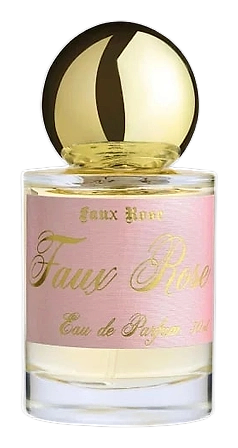
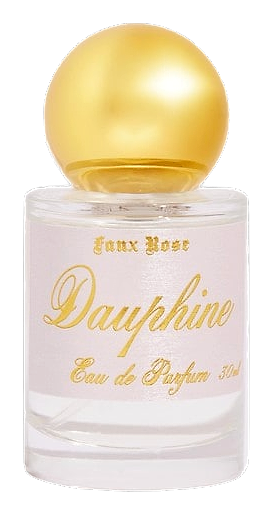
Dauphine is a release from Faux Rose, a fragrance house whose work circles around a powdery, floral aesthetic drawn as much from fabric and texture as from scent itself. Where the debut explored a single idea, Dauphine opens a door onto an entire room. The name comes from a title rather than a person: a dauphine being the wife of the heir to the French throne, and Marie Antoinette held that title before she became queen. The brand's own copy leans into that image without irony, evoking a boudoir bedecked in silks, satins, powders and purple flowers, a figure in royal repose. Amelia Rose built the scent to capture that specific tableau. Not the palace. Not Versailles. The private chamber, the one with the curtains half-drawn and the powder on every surface.
The unusual element here is the satin accord. Satin isn't something you smell so much as feel. It sits in the base alongside ambrette and musk, and it does something most musky bases don't. It gives the drydown a quality you can almost sense with your fingertips, adding to the fragrance's understated, tactile character. Bergamot and apricot open clean and slightly fruity, but they're there to set up the heart, not to announce themselves. Lilac carries the middle, made interesting by clove, which adds a warm, almost edible spice underneath the florals.
The evolution
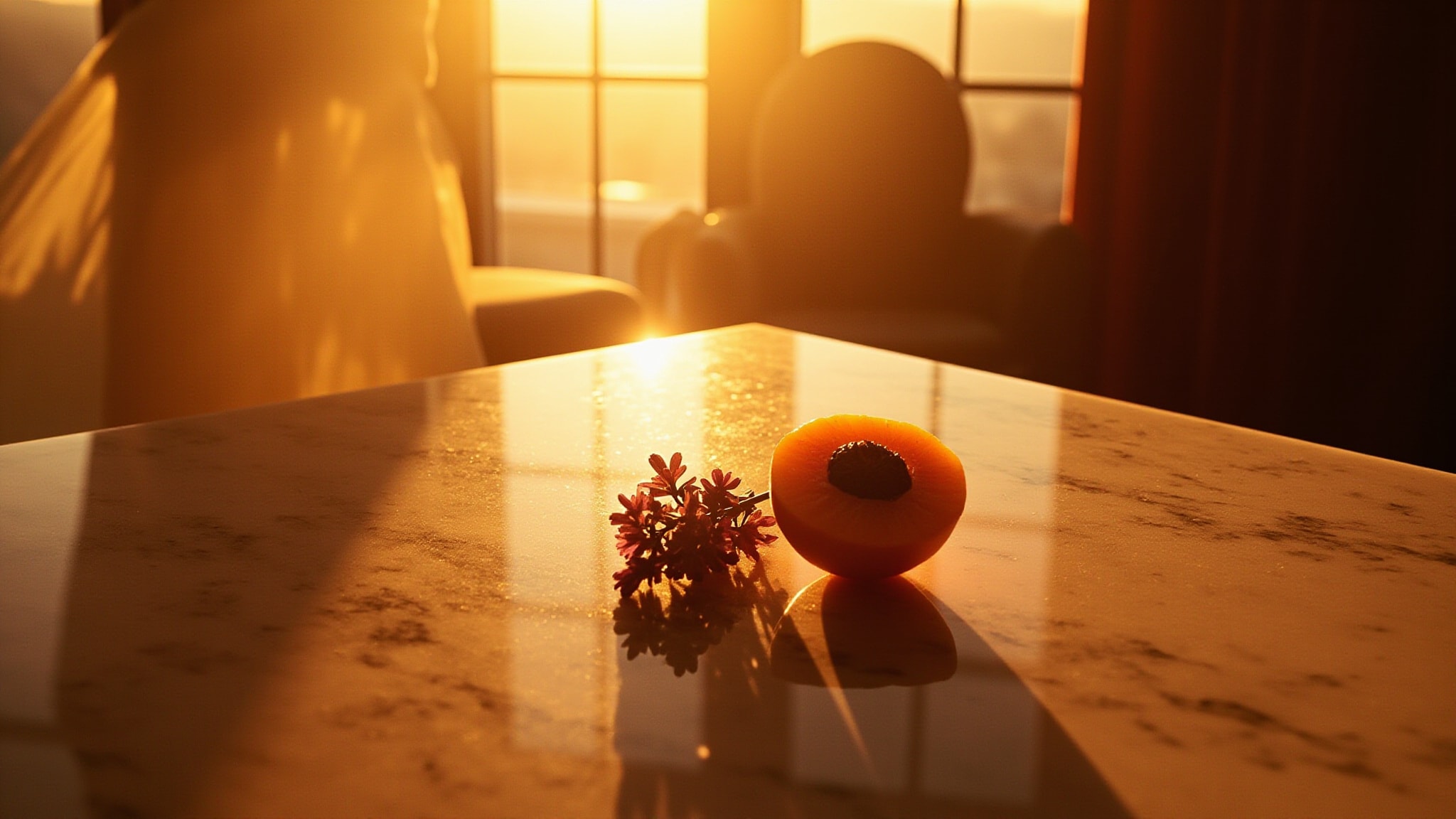
The first 15 minutes are about the apricot. It blooms soft and golden against the bergamot, giving the opening a gentle fruit-skin warmth that reads almost like skin after a bath. Then the lilac arrives, and it doesn't tiptoe. It fills the space, purple and diffuse, the clove threading through underneath like a seam. The powder quality shows up early, somewhere in the first half hour, and it stays. This isn't a fragrance that announces its shift from floral to musky. The musky base builds underneath the lilac while you're still noticing the florals, so by the two-hour mark you're already sitting in ambrette and satin without remembering the transition. The musk is clean and close, not animalic. The satin accord adds a smooth quality to the drydown, giving the later stages of the wear an almost lubricated feel on skin that sets it apart from typical white-musk bases.
Cultural impact
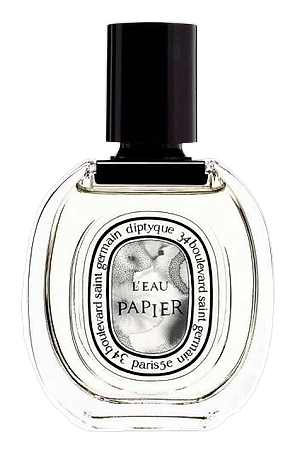
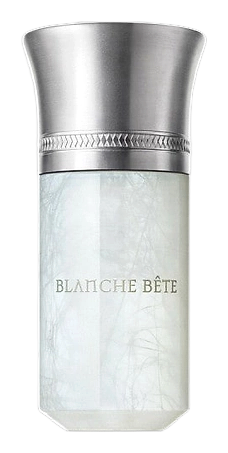
Dauphine belongs to a small but growing category of fragrances that lean into intimacy over projection. Wearers describe it in terms that recur across user reviews: vintage dusting powder, clean skin, bedtime softness, the kind of scent that reads as personal rather than performative. The fragrance draws comparisons to other powdery, textural releases, and reviewers often group it with names that occupy similar territory, noting its shared sensibility with scents like Diptyque's L'Eau Papier and Blanche Bête from Les Liquides Imaginaires. Its appeal is to people who want a scent to wear rather than broadcast.