Satin
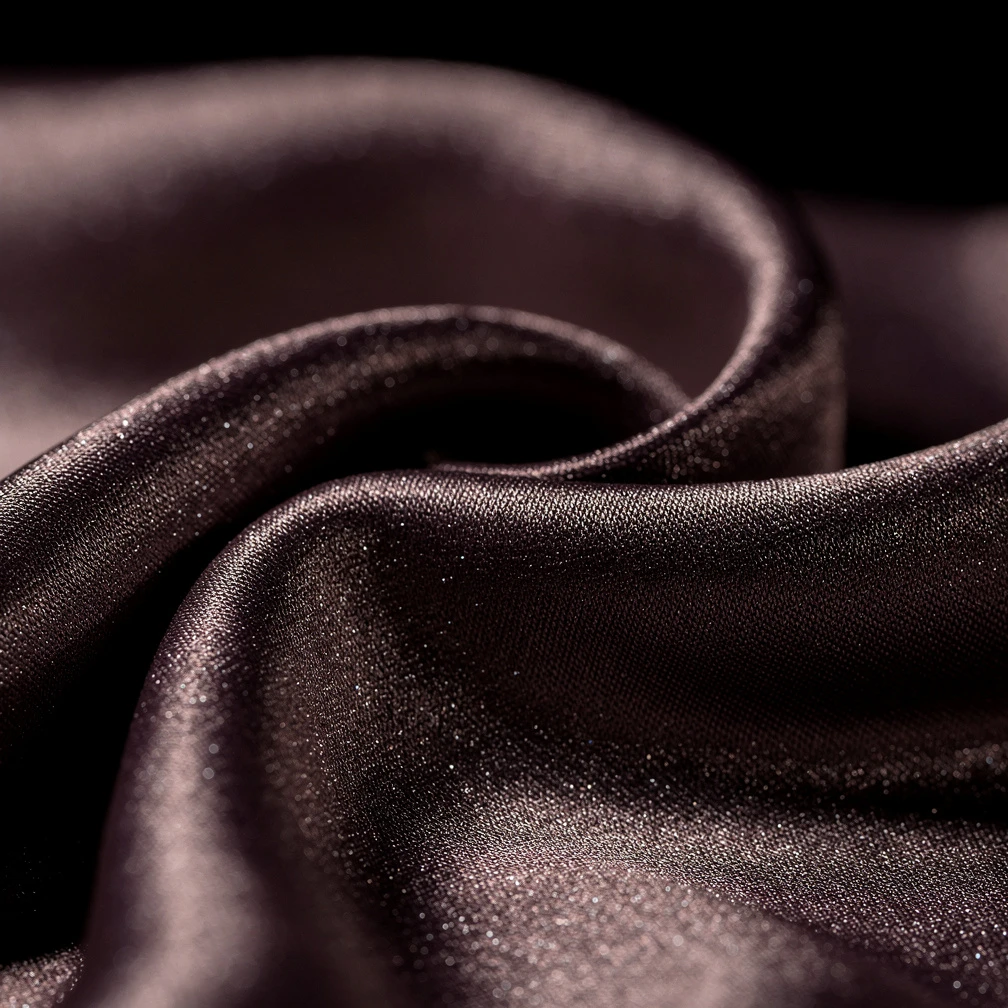
Satin describes the smooth, velvety texture in perfumery created through soft musks, creamy woods, and lactonic notes that mimic silk on skin. It provides sensuality and comfort, functioning as a modifier that softens and polishes fragrance compositions while adding a tactile quality. This effect is essential in modern perfumery for creating intimate, skin-close fragrances.
Character
How it smells
The smooth, silken touch that drapes fragrance close to the skin.
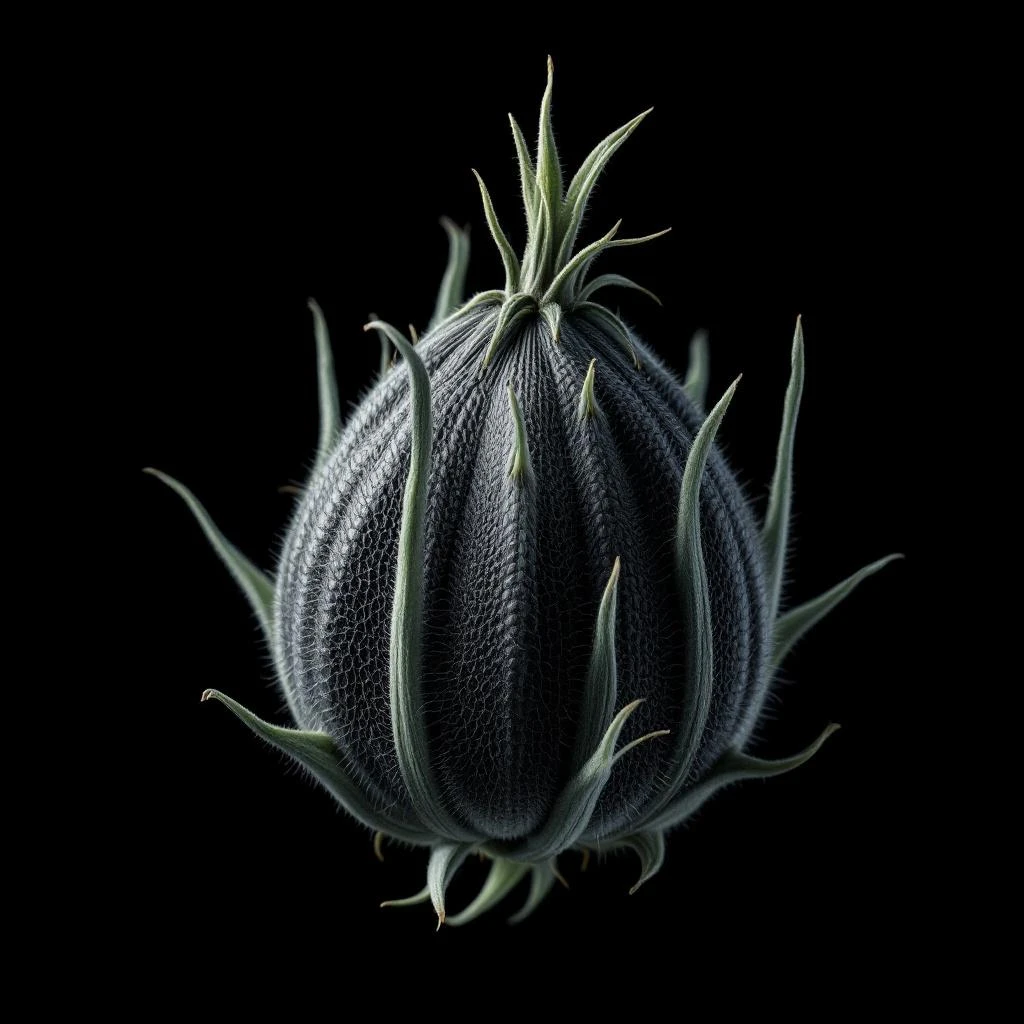
The word satin derives from the Arabic zaitun, meaning olive oil, reflecting how early perfumers used oily substances to capture and hold floral scents.





Origin
France
Ancient Mesopotamian and Egyptian perfumers first encountered the principle of smoothness when they discovered that fatty substances could capture and retain floral scents over time. The earliest perfumers used animal fats as natural fixatives, creating pomades that produced soft, lingering effects on skin. These ancient preparations differed dramatically from the sharp, volatile fragrances produced through burning incense or using fresh botanicals.
The smooth, satiny effect emerged as a deliberate quality only when extraction techniques advanced enough to isolate low-volatility aromatic compounds. By the early 20th century, chemists had synthesized the first synthetic musks, allowing perfumers to systematically craft smooth, intimate effects previously impossible to achieve. This synthetic revolution democratized the satiny quality, making it accessible across all price points and fragrance categories.
Today, smooth, skin-close fragrances represent one of the most significant trends in modern perfumery.
Wears it best
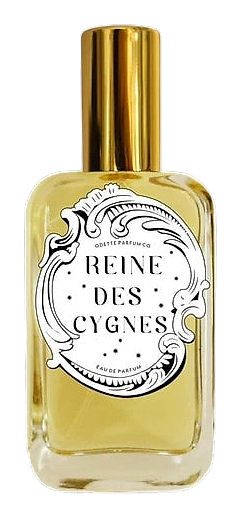
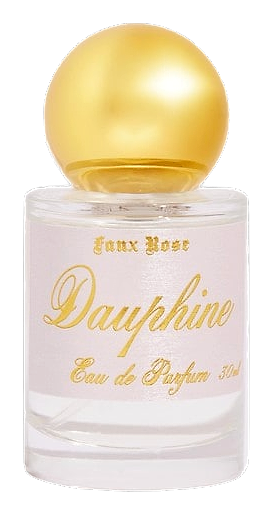
Fragrances featuring Satin
Brands
Brands known for Satin
Good to know
Questions, answered
The essentials on Satin in perfumery: how it smells, where it comes from, and how it behaves on skin.
What does Satin smell like in perfume?
Satin creates a smooth, velvety sensation that resembles fabric gliding across skin. The effect combines soft muskiness with creamy warmth, often featuring subtle powdery or lactonic undertones. It registers as intimate and comforting rather than bold or projecting.
Why is Satin used in perfumery?
Satin materials function as fixatives that extend fragrance longevity on skin. They also modify and soften rougher notes, creating a polished, refined quality. Approximately 70% of modern fragrances incorporate synthetic musks to achieve this smooth, skin-close effect.
Is Satin in perfume natural or synthetic?
Satin effects are primarily achieved through synthetic aromatic compounds. Natural jasmine absolute provides some smooth qualities, but synthetic musks like Exaltolide and Habanolide enable the precise engineering of satiny texture that defines contemporary perfumery.
What famous perfumes contain Satin?
Clean Skin by Clean Reserve exemplifies the satiny effect with its prominent use of synthetic musks. Other fragrances featuring smooth, skin-close qualities include Glossier You and Narciso Rodriguez For Her, which rely on similar soft, intimate aromatic constructions.
Is Satin a top note, heart note, or base note?
Satin functions as a base note in fragrance construction. The low-volatility compounds responsible for smooth, satiny effects evaporate slowly, appearing 30 minutes to several hours after application and providing the intimate dry-down experience.
What notes pair well with Satin in perfume?
Powdery notes like iris and heliotrope amplify satin smoothness by adding softness. Creamy sandalwood and warm vanilla enhance the silky quality, while skin musks intensify the intimate, close-to-skin effect. Floral notes like jasmine contribute natural smoothness.
Where does Satin come from?
Satin as a perfumery effect originates from two sources: natural jasmine cultivated in warm climates like India, Egypt, and Morocco, and synthetic musks developed through 20th-century aromatic chemistry primarily in Switzerland, France, and the United States.
Is Satin used in men's or women's fragrances?
While traditionally associated with feminine fragrances, satiny effects appear across all fragrance categories today. Modern masculine fragrances like Bleu de Chanel incorporate similar smooth, skin-close qualities, reflecting the universal appeal of comfort and sensuality in scent.