
The Story
Why it exists.
The beginning
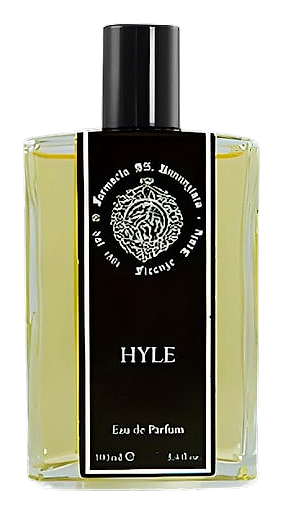
Hyle takes its name from the Greek word for primordial matter, the raw material from which all things grow. The apothecary's brief was elemental: not a sunscreen substitute, not a postcard ocean. Something true. They looked to the Ligurian coast, where the Mediterranean still behaves like it did before the crowds arrived, rocky, saline, alive with rosemary and lavender gone slightly wild. The challenge was translating that feeling into a bottle without turning it into a nature documentary. Citrus opened the door. The herbs held the room.
The combination of Provençal lavender with marine notes and ginger is unusual territory for an aquatic fragrance. Most compositions treat salt as a supporting character, a whisper of ozone behind the citrus. Hyle gives the green and spicy notes equal weight. The lavender doesn't smell like soap or spa products. It smells like the plant itself, sun-dried and slightly resinous, which is exactly what the apothecary's botanical archives would have contained four centuries ago. Ginger adds warmth without sweetness, keeping the whole composition grounded in something mineral rather than dessert.
The evolution
The first five minutes are all citrus and brine, sharp, bright, immediately coastal. Then the marine element softens as the lavender pushes through, taking the composition somewhere herbaceous and almost medicinal. The ginger arrives around the thirty-minute mark, threading warmth through the green. By the second hour, the patchouli and myrrh have taken over, turning the oceanic freshness into something earthier, darker, closer to skin. The drydown lingers for another four to six hours, warm, slightly smoky, intimate. On fabric, it lasts until the next wash.
Cultural impact
Hyle occupies an interesting position in the aquatic category: it has the freshness and accessibility of marine fragrances but the complexity and slight strangeness of an apothecary composition. Wearers tend to either love the herbal backbone or find it too different from what they expect from a citrus-aquatic. The fragrance doesn't court universal appeal, it rewards the wearer who wants something that smells like the ocean actually smells, rather than how a hotel lobby imagines it.